*/

For many, the decision to apply for silk represents one of the most significant milestones in a legal career. The KC Selection Panel recognises both the weight of that decision and the anxiety that might accompany it. In particular, a number of persistent misconceptions about the application process may dissuade capable candidates from applying.
This article seeks to address and dispel some of the most common myths, with the aim of ensuring that all prospective applicants have a clear understanding of what is required and any perceived barriers about the KC appointment process are, hopefully, explained.
A commonly held belief is that the requirement to provide 12 cases within the past three years is inflexible and absolute. This is not the case.
The Panel acknowledges that there are legitimate reasons why an applicant may not meet this threshold, including disability, career breaks, parental leave or involvement in lengthy inquiries. Where relevant, applicants are encouraged to explain any shortfall clearly within their application. In some circumstances, it may also be appropriate to include cases slightly outside the three-year window.
While providing fewer than 12 cases is not a bar to application, applicants should be mindful that a smaller number of cases may limit the breadth of evidence available and the further back a case is, the less likely it is that assessors will recall it in sufficient detail.
There are no quotas governing the number of successful silk appointments in any given year.
Recommendations for appointment are based solely on consistent excellence, as evidenced mainly through assessor feedback, and confirmed at interview, should one be offered. The selection of assessors is therefore a critical aspect of the process, and applicants should give careful thought to listing assessors who can provide strong and relevant evidence, to give themselves the best chance of success.
Some applicants believe that professional coaching is essential for success in the KC competition. The Panel strongly disagrees with this view.
While guidance and support from a range of sources can of course be helpful, coaching neither guarantees success nor is it required. In fact, coached applications can often be readily identified and often do not do justice to the applicants’ ability or experience. KCA is committed to being as clear as possible about our processes and how the application system works. We are continually developing resources to support all applicants, particularly those who may not wish to – or cannot afford to – engage a coach. The secretariat is always happy to be contacted to answer any questions that applicants may have when making their applications.
The most effective preparation that applicants can do is to spend time preparing strong examples from cases (listed and unlisted) and, at interview, to be honest and authentic.
Prior unsuccessful applications do not constitute a barrier to reapplying for silk.
The Panel recognises that as case work changes, candidates may choose to apply more than once over the course of their careers. The Panel does not consider past applications from applicants. Each application is considered afresh on its own merits.
It is important to note that as each application stands on its own for every competition, there is therefore no guarantee of a similar outcome. It is a misconception that an applicant who was narrowly unsuccessful in a previous competition will necessarily reach the same stage in a subsequent application. The Panel seeks new evidence from assessors in each competition and accepts that the cases may be different, the assessors may be different, and that even the same assessors may change their assessments from one competition to another, building on their experience of working with the applicant.
Finally, the Panel does not question any applicant’s motivation to apply. Applicants are not required to explain their decision to apply or to reapply and are not scored on this decision.
Applicants with predominantly desk-based practices may be concerned about meeting the oral advocacy requirement. The Panel appreciates that opportunities for oral advocacy vary across practice areas. Although evidence of excellence in oral advocacy is a key requirement of the framework, it does not need to form the majority of an applicant’s work. What is important is a balanced demonstration of both written and oral advocacy, bearing in mind the relative importance of the two elements in the applicant’s practice.
For those with limited oral advocacy opportunities, activities such as pro bono work can provide a valuable way to develop and demonstrate this skill.
Another misconception is that only lengthy cases are suitable for inclusion in a silk application.
The Panel places emphasis on quality rather than duration. Cases of short length may still be highly suitable if they involve substance, complexity, or particular difficulty or sensitivity. Cases heard in higher courts on an important point of law, for example, can be valuable in assessing a high standard of excellence.
Applicants sometimes find it challenging to provide examples relevant to diversity action and understanding (Competency D), particularly from professional settings.
The Panel welcomes evidence drawn from a wide range of contexts, including voluntary, educational, or community roles. The key consideration is the applicant’s personal impact – what actions they have taken to advance diversity and inclusion – rather than merely a theoretical understanding of various initiatives.
It is also worth noting that weaker evidence from assessors in this competency does not automatically preclude an applicant from being invited to interview, provided the other competencies are met to the required standard.
I hope this information has been useful if you are considering whether to apply for silk. For further advice I would encourage you to visit the guidance section of our website: kcappointments.org/applicants. The written guidance, updated every year, has been standard since the competition’s inception. Now we also post informational videos where Panel members provide an overview of the process, advise how to prepare for an interview, and discuss some of the misconceptions covered here. Additionally, our outreach work continues and the dates for upcoming events can also be found on the KCA website: kcappointments.org/events.
The KC secretariat is happy to speak to applicants at any time. Do get in touch by emailing: enquries@kcappointments.org or calling 020 7831 0020.
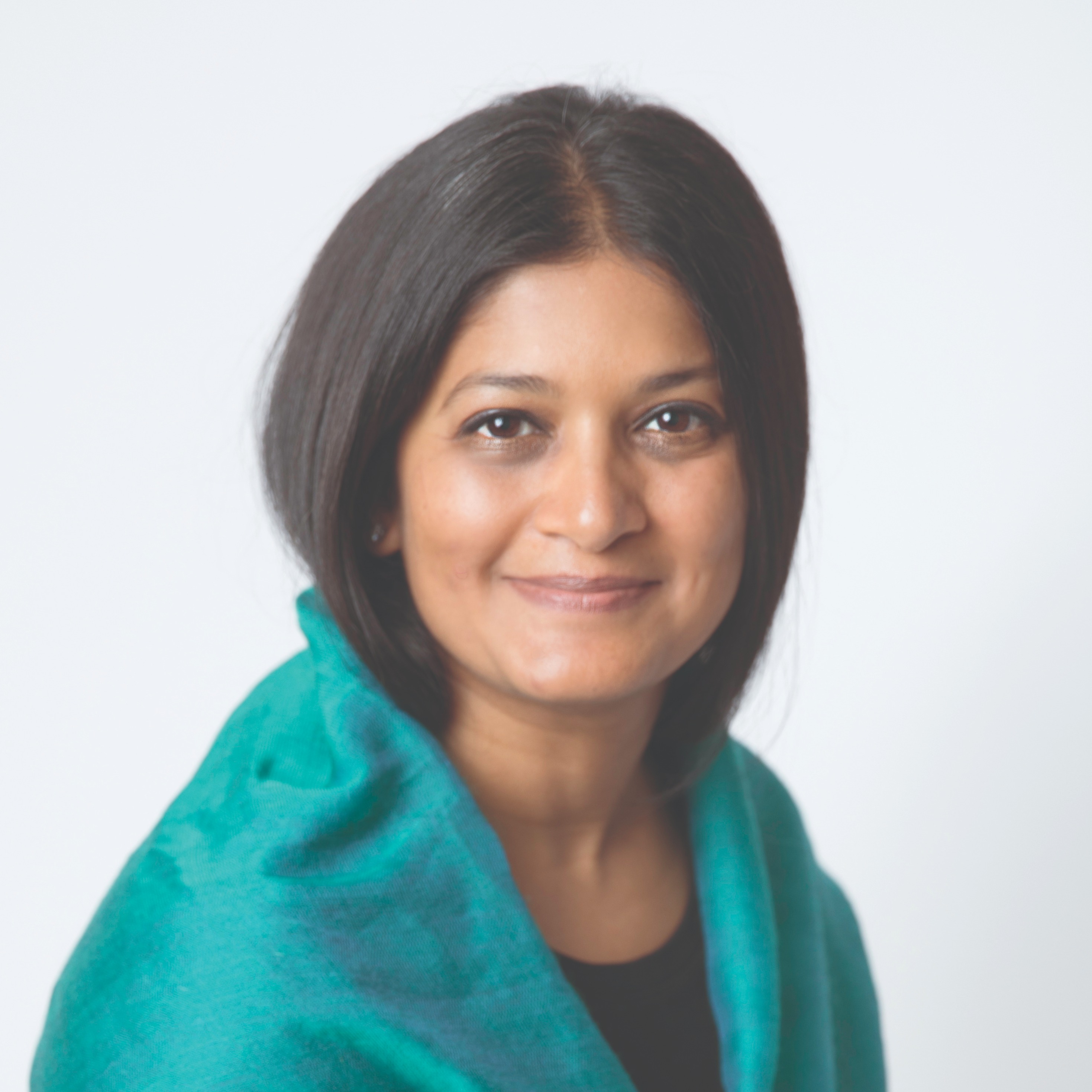
Monisha Shah is the Chair of the King's Counsel Selection Panel.
For many, the decision to apply for silk represents one of the most significant milestones in a legal career. The KC Selection Panel recognises both the weight of that decision and the anxiety that might accompany it. In particular, a number of persistent misconceptions about the application process may dissuade capable candidates from applying.
This article seeks to address and dispel some of the most common myths, with the aim of ensuring that all prospective applicants have a clear understanding of what is required and any perceived barriers about the KC appointment process are, hopefully, explained.
A commonly held belief is that the requirement to provide 12 cases within the past three years is inflexible and absolute. This is not the case.
The Panel acknowledges that there are legitimate reasons why an applicant may not meet this threshold, including disability, career breaks, parental leave or involvement in lengthy inquiries. Where relevant, applicants are encouraged to explain any shortfall clearly within their application. In some circumstances, it may also be appropriate to include cases slightly outside the three-year window.
While providing fewer than 12 cases is not a bar to application, applicants should be mindful that a smaller number of cases may limit the breadth of evidence available and the further back a case is, the less likely it is that assessors will recall it in sufficient detail.
There are no quotas governing the number of successful silk appointments in any given year.
Recommendations for appointment are based solely on consistent excellence, as evidenced mainly through assessor feedback, and confirmed at interview, should one be offered. The selection of assessors is therefore a critical aspect of the process, and applicants should give careful thought to listing assessors who can provide strong and relevant evidence, to give themselves the best chance of success.
Some applicants believe that professional coaching is essential for success in the KC competition. The Panel strongly disagrees with this view.
While guidance and support from a range of sources can of course be helpful, coaching neither guarantees success nor is it required. In fact, coached applications can often be readily identified and often do not do justice to the applicants’ ability or experience. KCA is committed to being as clear as possible about our processes and how the application system works. We are continually developing resources to support all applicants, particularly those who may not wish to – or cannot afford to – engage a coach. The secretariat is always happy to be contacted to answer any questions that applicants may have when making their applications.
The most effective preparation that applicants can do is to spend time preparing strong examples from cases (listed and unlisted) and, at interview, to be honest and authentic.
Prior unsuccessful applications do not constitute a barrier to reapplying for silk.
The Panel recognises that as case work changes, candidates may choose to apply more than once over the course of their careers. The Panel does not consider past applications from applicants. Each application is considered afresh on its own merits.
It is important to note that as each application stands on its own for every competition, there is therefore no guarantee of a similar outcome. It is a misconception that an applicant who was narrowly unsuccessful in a previous competition will necessarily reach the same stage in a subsequent application. The Panel seeks new evidence from assessors in each competition and accepts that the cases may be different, the assessors may be different, and that even the same assessors may change their assessments from one competition to another, building on their experience of working with the applicant.
Finally, the Panel does not question any applicant’s motivation to apply. Applicants are not required to explain their decision to apply or to reapply and are not scored on this decision.
Applicants with predominantly desk-based practices may be concerned about meeting the oral advocacy requirement. The Panel appreciates that opportunities for oral advocacy vary across practice areas. Although evidence of excellence in oral advocacy is a key requirement of the framework, it does not need to form the majority of an applicant’s work. What is important is a balanced demonstration of both written and oral advocacy, bearing in mind the relative importance of the two elements in the applicant’s practice.
For those with limited oral advocacy opportunities, activities such as pro bono work can provide a valuable way to develop and demonstrate this skill.
Another misconception is that only lengthy cases are suitable for inclusion in a silk application.
The Panel places emphasis on quality rather than duration. Cases of short length may still be highly suitable if they involve substance, complexity, or particular difficulty or sensitivity. Cases heard in higher courts on an important point of law, for example, can be valuable in assessing a high standard of excellence.
Applicants sometimes find it challenging to provide examples relevant to diversity action and understanding (Competency D), particularly from professional settings.
The Panel welcomes evidence drawn from a wide range of contexts, including voluntary, educational, or community roles. The key consideration is the applicant’s personal impact – what actions they have taken to advance diversity and inclusion – rather than merely a theoretical understanding of various initiatives.
It is also worth noting that weaker evidence from assessors in this competency does not automatically preclude an applicant from being invited to interview, provided the other competencies are met to the required standard.
I hope this information has been useful if you are considering whether to apply for silk. For further advice I would encourage you to visit the guidance section of our website: kcappointments.org/applicants. The written guidance, updated every year, has been standard since the competition’s inception. Now we also post informational videos where Panel members provide an overview of the process, advise how to prepare for an interview, and discuss some of the misconceptions covered here. Additionally, our outreach work continues and the dates for upcoming events can also be found on the KCA website: kcappointments.org/events.
The KC secretariat is happy to speak to applicants at any time. Do get in touch by emailing: enquries@kcappointments.org or calling 020 7831 0020.

The Chair of the Bar reports back
Susie Griffin on the admin that keeps barristers from billable work
Clement Cowley, Partner at The Penny Group, explains how global events can influence the performance of pensions and ISAs, and why taking a long-term approach to investing is often the most effective strategy
Mário Barroso, Head of R&D and Method Development at AlphaBiolabs, discusses what family law professionals need to know about hallucinogens, from the main hallucinogenic drugs encountered in family proceedings, to their effects and the testing options available
Harmony Christian Ministries is the latest charity to benefit from a £500 donation from AlphaBiolabs via the company’s Giving Back initiative
By David Green

At the start of her term, Chair of the Bar 2026 Kirsty Brimelow KC set out a series of priorities for the year ahead. One of those priorities was children in the justice system
As the world becomes more digital, Barbara Vinagre Mota examines international research into the mental health consequences of judges’ exposure to graphic and immersive evidence, highlighting the importance of support systems
In an era of patient-centred care and growing concern over misconduct in medical settings, why do women still lack the right to choose women consultants for examination and treatment? Charles Davey investigates
Reviewed by Daniel Barnett
James McNeill Whistler at Tate Britain until 27 September Rothko in Florence at Palazzo Strozzi until 23 August Reviewed by Stephen Cragg KC