*/
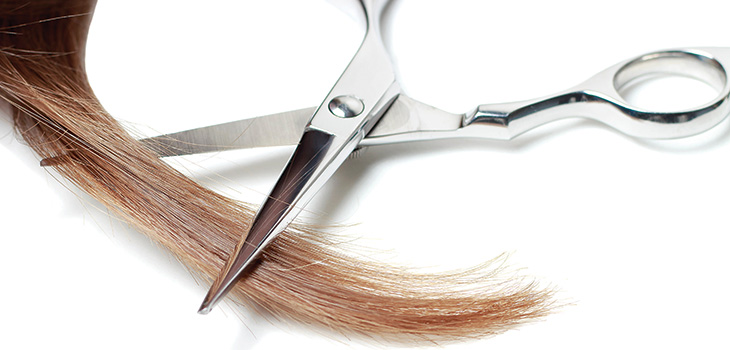
Mário Barroso, Head of R&D and Method Development at AlphaBiolabs, examines the forensic science underpinning hair drug testing, its evidential scope and limitations, and why it remains the gold standard for evidencing patterns of drug use in family proceedings
Hair drug testing occupies a unique position in forensic toxicology. Unlike urine or oral fluid – which detect only recent consumption – hair analysis provides a retrospective record of drug exposure spanning weeks or months. This makes it a particularly powerful tool in family court proceedings, where establishing patterns of behaviour is often central to safeguarding decisions.
A question nonetheless arises with increasing frequency: can hair analysis also identify a single episode of use? The answer is nuanced and understanding it is essential for anyone instructing or interpreting hair drug tests.
When a person consumes a drug, the substance enters the bloodstream and small amounts become incorporated into the hair shaft as it grows.
Hair grows at an average rate of approximately 1cm per month. A 3cm sample taken close to the scalp reflects approximately three months, while longer samples extend the detection window accordingly (up to 12 months for a 12cm sample).
Samples can also be segmented into 1cm sections, enabling month-by-month analysis that can reveal patterns such as escalating use, periods of abstinence, or relapse. This sets hair apart from other sample types, making it particularly well-suited to the evidential demands of family proceedings.
Where a substance is consumed over weeks or months, repeated incorporation into the hair shaft produces a consistent and detectable pattern that is difficult to dispute.
Hair drug testing is routinely used to evidence long-term or habitual use, demonstrate abstinence, assess adherence to or misuse of prescribed medications, and corroborate or challenge self-reported substance use histories, providing longer-term context where urine or oral fluid results are no longer informative.
Where a substance is consumed at a sufficient dose, and where the laboratory’s instrumentation is sensitive enough to detect it, a single consumption event may be identifiable.
This can be relevant in suspected drug-facilitated incidents, where urine and oral fluid samples may no longer contain detectable levels or, for example, in safeguarding cases, where professionals need to determine whether a child’s exposure was isolated or ongoing, or in family proceedings where a disputed allegation – such as a claimed relapse or accidental ingestion – requires objective scrutiny.
However, a negative result does not definitively exclude isolated exposure; an important distinction for legal professionals to understand when instructing hair tests.
Whether a single consumption event is detectable depends on the substance type, dose consumed, individual metabolism, and hair characteristics, including colour and cosmetic treatments.
A low-dose, one-time consumption may fall below detection limits, producing a negative result that does not in itself confirm abstinence.
Hair test results should therefore always be considered alongside clinical, behavioural, and investigative information as part of a wider evidential framework.
Hair analysis is most powerful when combined with narrow-window tests such as oral fluid or urine drug testing. This multi-matrix approach allows an assessment of both recent and historical exposure, cross-verification of findings, and the building of a more complete behavioural profile for the court.
AlphaBiolabs provides a full portfolio of legally-instructed drug and alcohol testing services, backed by over 20 years’ experience supporting family law professionals, social workers and local authorities.
We are UKAS 17025-accredited, with Lab 51 extension for toxicology, and offer free sample collection for legally-instructed tests at our nationwide walk-in centres.
To request a quote or discuss your requirements, contact our New Enquiry team on 0333 600 1300, email testing@alphabiolabs.com, or complete our online quote form at alphabiolabs.co.uk/legal-test-forms.

Hair drug testing occupies a unique position in forensic toxicology. Unlike urine or oral fluid – which detect only recent consumption – hair analysis provides a retrospective record of drug exposure spanning weeks or months. This makes it a particularly powerful tool in family court proceedings, where establishing patterns of behaviour is often central to safeguarding decisions.
A question nonetheless arises with increasing frequency: can hair analysis also identify a single episode of use? The answer is nuanced and understanding it is essential for anyone instructing or interpreting hair drug tests.
When a person consumes a drug, the substance enters the bloodstream and small amounts become incorporated into the hair shaft as it grows.
Hair grows at an average rate of approximately 1cm per month. A 3cm sample taken close to the scalp reflects approximately three months, while longer samples extend the detection window accordingly (up to 12 months for a 12cm sample).
Samples can also be segmented into 1cm sections, enabling month-by-month analysis that can reveal patterns such as escalating use, periods of abstinence, or relapse. This sets hair apart from other sample types, making it particularly well-suited to the evidential demands of family proceedings.
Where a substance is consumed over weeks or months, repeated incorporation into the hair shaft produces a consistent and detectable pattern that is difficult to dispute.
Hair drug testing is routinely used to evidence long-term or habitual use, demonstrate abstinence, assess adherence to or misuse of prescribed medications, and corroborate or challenge self-reported substance use histories, providing longer-term context where urine or oral fluid results are no longer informative.
Where a substance is consumed at a sufficient dose, and where the laboratory’s instrumentation is sensitive enough to detect it, a single consumption event may be identifiable.
This can be relevant in suspected drug-facilitated incidents, where urine and oral fluid samples may no longer contain detectable levels or, for example, in safeguarding cases, where professionals need to determine whether a child’s exposure was isolated or ongoing, or in family proceedings where a disputed allegation – such as a claimed relapse or accidental ingestion – requires objective scrutiny.
However, a negative result does not definitively exclude isolated exposure; an important distinction for legal professionals to understand when instructing hair tests.
Whether a single consumption event is detectable depends on the substance type, dose consumed, individual metabolism, and hair characteristics, including colour and cosmetic treatments.
A low-dose, one-time consumption may fall below detection limits, producing a negative result that does not in itself confirm abstinence.
Hair test results should therefore always be considered alongside clinical, behavioural, and investigative information as part of a wider evidential framework.
Hair analysis is most powerful when combined with narrow-window tests such as oral fluid or urine drug testing. This multi-matrix approach allows an assessment of both recent and historical exposure, cross-verification of findings, and the building of a more complete behavioural profile for the court.
AlphaBiolabs provides a full portfolio of legally-instructed drug and alcohol testing services, backed by over 20 years’ experience supporting family law professionals, social workers and local authorities.
We are UKAS 17025-accredited, with Lab 51 extension for toxicology, and offer free sample collection for legally-instructed tests at our nationwide walk-in centres.
To request a quote or discuss your requirements, contact our New Enquiry team on 0333 600 1300, email testing@alphabiolabs.com, or complete our online quote form at alphabiolabs.co.uk/legal-test-forms.
Mário Barroso, Head of R&D and Method Development at AlphaBiolabs, examines the forensic science underpinning hair drug testing, its evidential scope and limitations, and why it remains the gold standard for evidencing patterns of drug use in family proceedings


The Chair of the Bar reports back
Clement Cowley, Partner at The Penny Group, explains how global events can influence the performance of pensions and ISAs, and why taking a long-term approach to investing is often the most effective strategy
Mário Barroso, Head of R&D and Method Development at AlphaBiolabs, discusses what family law professionals need to know about hallucinogens, from the main hallucinogenic drugs encountered in family proceedings, to their effects and the testing options available
Harmony Christian Ministries is the latest charity to benefit from a £500 donation from AlphaBiolabs via the company’s Giving Back initiative
By David Green
Mário Barroso, Head of R&D and Method Development at AlphaBiolabs, examines the forensic science underpinning hair drug testing, its evidential scope and limitations, and why it remains the gold standard for evidencing patterns of drug use in family proceedings
Developing a tech start-up demands a different definition of excellence to the Bar, says Saara Idelbi. The co-creator of Advocatr on entrepreneurship, AI advocacy training, and matching the thrill of a killer cross-examination