*/
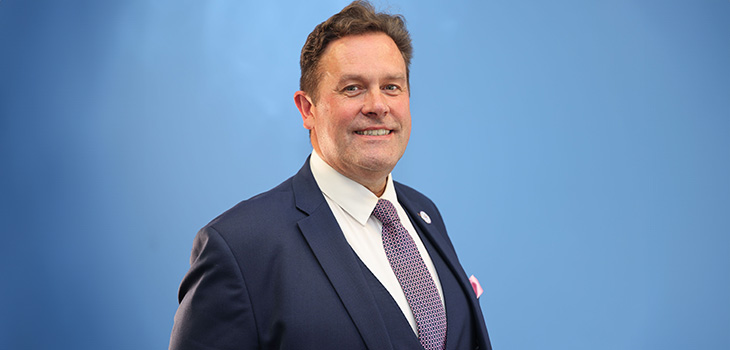
I am a Senior Crown Prosecutor based in the Rape and Serious Sexual Offences Unit (RASSO) of the Crown Prosecution Service (CPS) of the Yorkshire and Humberside Area.
I joined the CPS in 1987 as an administrative assistant and progressed to being an executive officer in the Crown Court Section of the Greater Manchester area of the CPS before leaving in 1997 to pursue my ambition of becoming a solicitor.
Upon leaving the CPS, I worked in the criminal defence department of a multi-disciplinary firm and qualified as a police station representative, solicitor and duty solicitor and ultimately progressed to becoming a higher court advocate and salaried partner.
In 2012, I founded my own practice and was senior partner until 2020 when I was offered a post with the CPS and returned to the organisation where I first started.
The inspiration has always been the same for me, either defending or prosecuting, and that is to make a real difference to a person’s life, be that a victim or a defendant, and to do meaningful and satisfying work which gives a sense of achievement.
No day is really typical, as each has its own unique set of circumstances and issues to resolve. I don’t think that, in over 35 years, I have ever dealt with two cases which are the same.
Each day will involve a combination of reviewing evidence and advising the police in relation to cases where there is sexual offending involved.
My caseload is a combination of new and existing cases which must be kept under constant review by applying the Code for Crown Prosecutors and the evidential and public interest tests contained within the Code.
As a reviewing lawyer, queries and requests for advice are directed to me from many directions – counsel, paralegal officers at court, courts, police, independent sexual advisers, defence practitioners, victims of crime and management –which means that every day is fast-moving and active.
I have days where the police need to have a charging decision made urgently due to the fact that they wish to keep a suspect in custody. This necessitates a quick understanding of the case and the issues in order to apply the threshold test.
It is vital in my role that facts can be assimilated and understood rapidly, in order to provide reasoned and educated advice in a form which can be understood by everyone who will need to use it, from the police to the advocate dealing with the case in court.
Wording of strategies, drafting and reasoning for decisions are also extremely important skills so that all those in the criminal justice system who deal with the cases understand them and the reasons why particular decisions have been made.
Regardless of whether you prosecute or defend, communication and clarity of the message are the most important things. Also, I would say that teamwork is essential in any legal environment.
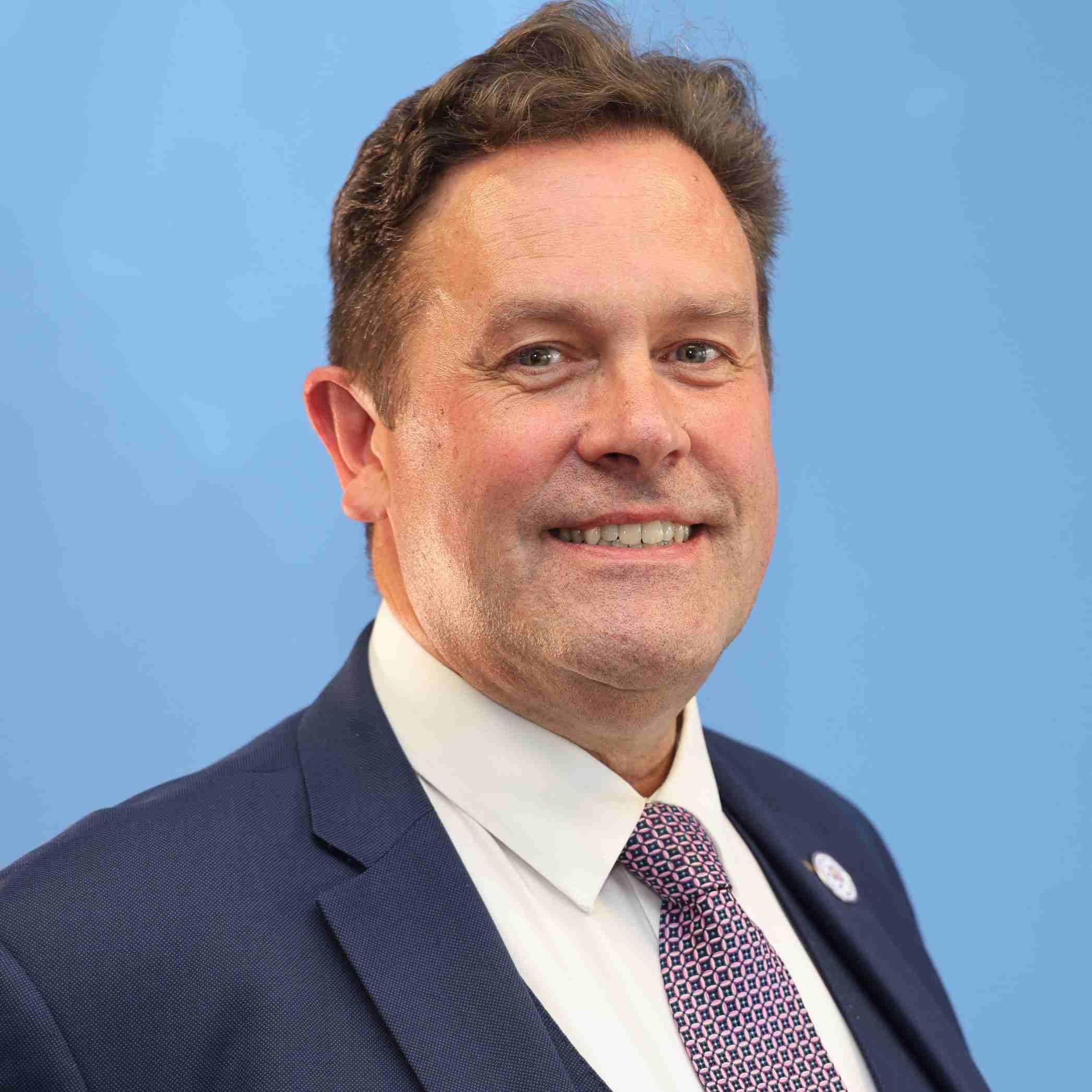
Stuart Page is a Senior Crown Prosecutor based in the Rape and Serious Sexual Offences Unit of the Crown Prosecution Service.
I am a Senior Crown Prosecutor based in the Rape and Serious Sexual Offences Unit (RASSO) of the Crown Prosecution Service (CPS) of the Yorkshire and Humberside Area.
I joined the CPS in 1987 as an administrative assistant and progressed to being an executive officer in the Crown Court Section of the Greater Manchester area of the CPS before leaving in 1997 to pursue my ambition of becoming a solicitor.
Upon leaving the CPS, I worked in the criminal defence department of a multi-disciplinary firm and qualified as a police station representative, solicitor and duty solicitor and ultimately progressed to becoming a higher court advocate and salaried partner.
In 2012, I founded my own practice and was senior partner until 2020 when I was offered a post with the CPS and returned to the organisation where I first started.
The inspiration has always been the same for me, either defending or prosecuting, and that is to make a real difference to a person’s life, be that a victim or a defendant, and to do meaningful and satisfying work which gives a sense of achievement.
No day is really typical, as each has its own unique set of circumstances and issues to resolve. I don’t think that, in over 35 years, I have ever dealt with two cases which are the same.
Each day will involve a combination of reviewing evidence and advising the police in relation to cases where there is sexual offending involved.
My caseload is a combination of new and existing cases which must be kept under constant review by applying the Code for Crown Prosecutors and the evidential and public interest tests contained within the Code.
As a reviewing lawyer, queries and requests for advice are directed to me from many directions – counsel, paralegal officers at court, courts, police, independent sexual advisers, defence practitioners, victims of crime and management –which means that every day is fast-moving and active.
I have days where the police need to have a charging decision made urgently due to the fact that they wish to keep a suspect in custody. This necessitates a quick understanding of the case and the issues in order to apply the threshold test.
It is vital in my role that facts can be assimilated and understood rapidly, in order to provide reasoned and educated advice in a form which can be understood by everyone who will need to use it, from the police to the advocate dealing with the case in court.
Wording of strategies, drafting and reasoning for decisions are also extremely important skills so that all those in the criminal justice system who deal with the cases understand them and the reasons why particular decisions have been made.
Regardless of whether you prosecute or defend, communication and clarity of the message are the most important things. Also, I would say that teamwork is essential in any legal environment.

The Chair of the Bar reports back
Susie Griffin on the admin that keeps barristers from billable work
Clement Cowley, Partner at The Penny Group, explains how global events can influence the performance of pensions and ISAs, and why taking a long-term approach to investing is often the most effective strategy
Mário Barroso, Head of R&D and Method Development at AlphaBiolabs, discusses what family law professionals need to know about hallucinogens, from the main hallucinogenic drugs encountered in family proceedings, to their effects and the testing options available
Harmony Christian Ministries is the latest charity to benefit from a £500 donation from AlphaBiolabs via the company’s Giving Back initiative
By David Green

The golden age of advocacy? David Langwallner pays homage to the filmic if contentious barrister Sir Edward Carson and some of his contemporaries
Leah Arthur, a pupil, and her second seat supervisor, John Goss, share their perspectives on building a productive pupil-supervisor relationship
Henry Fingerhut outlines what the Bar Standards Board AI guidance means for early career barristers
The Ministry of Justice will match-fund up to 100 criminal pupillages, with grants available to criminal chambers across England and Wales. Similar to the COIC scheme, the grants will match-fund pupillages additional to those otherwise offered without government funding
Not yet, says Jacob Turner. Regulation, unlike the technology itself, is a domain the legal profession can still control