*/

The Bar of England and Wales likes to see itself as a meritocracy. Talent, hard work and intellectual rigour are meant to determine who thrives. Yet the lived experience of many barristers, and the data produced by the Bar Standards Board, tell a more complicated story. Persistent disparities in income, progression and wellbeing show that merit alone does not explain outcomes at the Bar.
This article argues that building genuinely inclusive chambers and workplaces for the Bar requires an intersectional approach. Intersectionality, a concept developed by Professor Kimberlé Crenshaw, helps us understand how different aspects of identity – such as gender, race, disability, sexuality and socioeconomic background – interact to shape experience. Without that lens, efforts to improve equality at the Bar risk benefiting some while leaving others behind.
For many years, discussions about equality focused on single characteristics, one at a time. Gender equality initiatives sought to address the underrepresentation of women at senior levels. Separate conversations examined race, disability or social mobility. Each of these strands remains important but taken alone they provide only a partial picture.
Recent income data from the Bar illustrates why. On average, women earn significantly less than men. Barristers from minority ethnic backgrounds earn less than their White counterparts. But when those characteristics intersect, the disparity is more severe: women from minority ethnic backgrounds earn substantially less than both White women and minority ethnic men. Without an intersectional analysis, that reality is obscured and the scale of inequality faced by some barristers is underestimated.
At the Bar, where an individual’s perception of skill and discretion plays a large role in the allocation of work (whether by solicitors, senior barristers or clerks), intersectionality is particularly important. Decisions about who is instructed, who is trusted with complex or high-value cases and who is seen as ‘ready’ for silk or the bench are rarely neutral. They are shaped by expectations, familiarity and often unconscious bias. Intersectionality helps explain why those dynamics do not affect all barristers in the same way.
A central insight of intersectionality is that groups we talk about as if they are homogenous are, in reality, diverse. Not all women at the Bar share the same challenges. Not all barristers from minority ethnic backgrounds experience discrimination in the same way or to the same degree.
Race provides a clear example. Different racial stereotypes can lead to very different assumptions about aptitude, temperament or professional interest. Some barristers may be steered, subtly or overtly, towards particular practice areas, others are assumed to be less suited to commercial, Chancery or appellate work. For those who are visibly identified as belonging to a racial minority, there can be a damaging combination of hypervisibility and invisibility: having the pressure of being seen as a representative of a group, not being fully seen or supported as an individual.
This experience is intensified where someone is one of very few, or the only one, in chambers or a practice area. Feelings of isolation, lack of belonging and heightened scrutiny are not abstract concepts; they shape confidence, wellbeing and decisions about whether to remain at the Bar at all.
Some characteristics, such as race or perceived gender, are usually visible and unavoidable. Others, such as sexual orientation, religion, some disabilities or neurodivergence, may be concealed. At the Bar, where reputation and relationships are central, the decision whether to disclose aspects of identity can be fraught.
For some barristers, concealment has historically been a rational response to real risk. However, the cost of hiding part of oneself should not be underestimated. It can affect mental health, create constant anxiety about being ‘found out’ and undermine a sense of authenticity at work. Conversely, disclosure can expose individuals to bias, stereotyping or exclusion. Inclusive practice at the Bar requires an honest recognition of these trade-offs, rather than an assumption that everyone can or should navigate them in the same way.
The growing focus on neurodiversity offers useful lessons for the Bar. Many neurodivergent barristers bring exceptional strengths to legal practice, yet traditional expectations about working patterns, communication styles or assessments of ‘professionalism’ can make practice unnecessarily difficult. Importantly, much of the push for change in this area has come from junior barristers and pupils, challenging the idea that inclusion is something driven by the senior end of the profession.
Socioeconomic background and class remain deeply embedded in the culture of the Bar. Access to elite education, comfort and confidence in elite spaces and access to long-established networks still matter. These factors intersect with gender and race in powerful ways. Women from non-privileged backgrounds, and barristers from minority ethnic communities, may face compounded disadvantage where they lack both economic capital and social familiarity with the profession’s unwritten rules.
Efforts to improve equality at the Bar that focus solely on gender, without addressing class and socioeconomic background, risk benefiting only a narrow group. True inclusion requires questioning long-standing assumptions about merit, polish and ‘fit’, and recognising how opportunity is shaped long before someone applies for pupillage.
Motherhood and caring responsibilities remain important factors in women’s experiences at the Bar, but they do not explain everything. Income gaps between men and women appear early in practice, often before children enter the picture. Women who do not have children, or whose children are grown, continue to experience disadvantage.
An intersectional lens highlights the role of gendered expectations about behaviour and authority. Assertiveness may be read as confidence in men, but as aggression in women. These judgments can be harsher for women from minority ethnic backgrounds, whose behaviour may be filtered through additional stereotypes. Sponsorship, access to high-quality work and informal mentoring often flow along lines of familiarity, reinforcing existing inequalities.
If equality initiatives are built around the experiences of the most privileged women at the Bar, they will fail many others. Gender equality cannot exist unless it works for all women, including those who are disabled, neurodivergent, from minority ethnic backgrounds, LGBTQ+ or from less privileged socioeconomic circumstances.
Intersectionality involves paying attention to difference, and that can be uncomfortable. There is a real risk of mistakes, misunderstandings or unintended offence. No one can fully grasp experiences they have not lived.
But the alternative – ignoring difference in the name of simplicity – is worse. Inclusive practice at the Bar depends on a willingness to listen, to accept correction and to revisit decisions when gaps or errors become apparent. It is not about forcing everyone into the same mould, but about removing barriers that have no real connection to merit or excellence.
The Bar’s strength lies in the quality and diversity of its people. Intersectionality provides a way of understanding why, despite formal commitments to equality, too many talented barristers still experience exclusion, stagnation or may exit. By taking difference seriously – without losing sight of shared purpose – the Bar can move closer to being the meritocracy it aspires to be.
This work requires openness, humility, resilience and a willingness to challenge long-standing assumptions. The reward is a profession in which all talent can thrive on the basis of their skill and intellectual ability, rather than having to succeed in spite of who they are assumed to be.
Bar Standard Board’s June 2025 research report Income at the Bar – by Gender and Ethnicity
Bar Council’s 2025 report, Gross earnings by sex and practice area at the self-employed Bar
Bar Council’s 2024 report New practitioner earnings differentials at the self-employed Bar
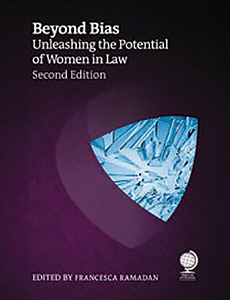
Beyond Bias: Unleashing the Potential of Women in Law
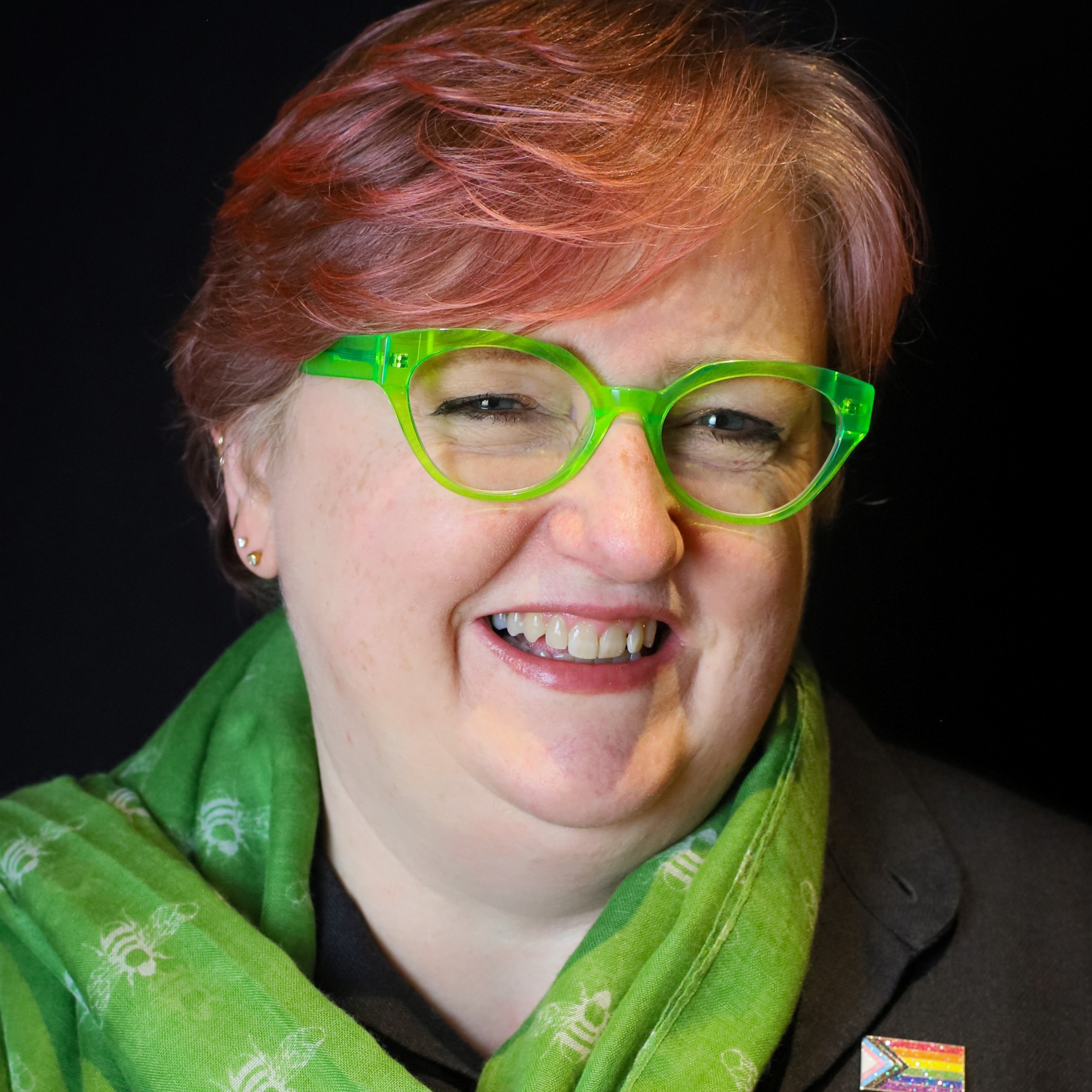
Brie Stevens-Hoare KC has been a self-employed barrister since 1986 and took silk in 2013. She practises from Gatehouse Chambers as a barrister and mediator. She supports the Judicial Appointments Commission’s Targeted Outreach programme in her capacity as a former JAC Commissioner (2018-24). Brie is involved with FreeBar, the LGBTQIA group, and the Inns of Court Women’s Alliance. She is co-author of Beyond Bias (2nd edition, Globe Law and Business: October 2025).
The Bar of England and Wales likes to see itself as a meritocracy. Talent, hard work and intellectual rigour are meant to determine who thrives. Yet the lived experience of many barristers, and the data produced by the Bar Standards Board, tell a more complicated story. Persistent disparities in income, progression and wellbeing show that merit alone does not explain outcomes at the Bar.
This article argues that building genuinely inclusive chambers and workplaces for the Bar requires an intersectional approach. Intersectionality, a concept developed by Professor Kimberlé Crenshaw, helps us understand how different aspects of identity – such as gender, race, disability, sexuality and socioeconomic background – interact to shape experience. Without that lens, efforts to improve equality at the Bar risk benefiting some while leaving others behind.
For many years, discussions about equality focused on single characteristics, one at a time. Gender equality initiatives sought to address the underrepresentation of women at senior levels. Separate conversations examined race, disability or social mobility. Each of these strands remains important but taken alone they provide only a partial picture.
Recent income data from the Bar illustrates why. On average, women earn significantly less than men. Barristers from minority ethnic backgrounds earn less than their White counterparts. But when those characteristics intersect, the disparity is more severe: women from minority ethnic backgrounds earn substantially less than both White women and minority ethnic men. Without an intersectional analysis, that reality is obscured and the scale of inequality faced by some barristers is underestimated.
At the Bar, where an individual’s perception of skill and discretion plays a large role in the allocation of work (whether by solicitors, senior barristers or clerks), intersectionality is particularly important. Decisions about who is instructed, who is trusted with complex or high-value cases and who is seen as ‘ready’ for silk or the bench are rarely neutral. They are shaped by expectations, familiarity and often unconscious bias. Intersectionality helps explain why those dynamics do not affect all barristers in the same way.
A central insight of intersectionality is that groups we talk about as if they are homogenous are, in reality, diverse. Not all women at the Bar share the same challenges. Not all barristers from minority ethnic backgrounds experience discrimination in the same way or to the same degree.
Race provides a clear example. Different racial stereotypes can lead to very different assumptions about aptitude, temperament or professional interest. Some barristers may be steered, subtly or overtly, towards particular practice areas, others are assumed to be less suited to commercial, Chancery or appellate work. For those who are visibly identified as belonging to a racial minority, there can be a damaging combination of hypervisibility and invisibility: having the pressure of being seen as a representative of a group, not being fully seen or supported as an individual.
This experience is intensified where someone is one of very few, or the only one, in chambers or a practice area. Feelings of isolation, lack of belonging and heightened scrutiny are not abstract concepts; they shape confidence, wellbeing and decisions about whether to remain at the Bar at all.
Some characteristics, such as race or perceived gender, are usually visible and unavoidable. Others, such as sexual orientation, religion, some disabilities or neurodivergence, may be concealed. At the Bar, where reputation and relationships are central, the decision whether to disclose aspects of identity can be fraught.
For some barristers, concealment has historically been a rational response to real risk. However, the cost of hiding part of oneself should not be underestimated. It can affect mental health, create constant anxiety about being ‘found out’ and undermine a sense of authenticity at work. Conversely, disclosure can expose individuals to bias, stereotyping or exclusion. Inclusive practice at the Bar requires an honest recognition of these trade-offs, rather than an assumption that everyone can or should navigate them in the same way.
The growing focus on neurodiversity offers useful lessons for the Bar. Many neurodivergent barristers bring exceptional strengths to legal practice, yet traditional expectations about working patterns, communication styles or assessments of ‘professionalism’ can make practice unnecessarily difficult. Importantly, much of the push for change in this area has come from junior barristers and pupils, challenging the idea that inclusion is something driven by the senior end of the profession.
Socioeconomic background and class remain deeply embedded in the culture of the Bar. Access to elite education, comfort and confidence in elite spaces and access to long-established networks still matter. These factors intersect with gender and race in powerful ways. Women from non-privileged backgrounds, and barristers from minority ethnic communities, may face compounded disadvantage where they lack both economic capital and social familiarity with the profession’s unwritten rules.
Efforts to improve equality at the Bar that focus solely on gender, without addressing class and socioeconomic background, risk benefiting only a narrow group. True inclusion requires questioning long-standing assumptions about merit, polish and ‘fit’, and recognising how opportunity is shaped long before someone applies for pupillage.
Motherhood and caring responsibilities remain important factors in women’s experiences at the Bar, but they do not explain everything. Income gaps between men and women appear early in practice, often before children enter the picture. Women who do not have children, or whose children are grown, continue to experience disadvantage.
An intersectional lens highlights the role of gendered expectations about behaviour and authority. Assertiveness may be read as confidence in men, but as aggression in women. These judgments can be harsher for women from minority ethnic backgrounds, whose behaviour may be filtered through additional stereotypes. Sponsorship, access to high-quality work and informal mentoring often flow along lines of familiarity, reinforcing existing inequalities.
If equality initiatives are built around the experiences of the most privileged women at the Bar, they will fail many others. Gender equality cannot exist unless it works for all women, including those who are disabled, neurodivergent, from minority ethnic backgrounds, LGBTQ+ or from less privileged socioeconomic circumstances.
Intersectionality involves paying attention to difference, and that can be uncomfortable. There is a real risk of mistakes, misunderstandings or unintended offence. No one can fully grasp experiences they have not lived.
But the alternative – ignoring difference in the name of simplicity – is worse. Inclusive practice at the Bar depends on a willingness to listen, to accept correction and to revisit decisions when gaps or errors become apparent. It is not about forcing everyone into the same mould, but about removing barriers that have no real connection to merit or excellence.
The Bar’s strength lies in the quality and diversity of its people. Intersectionality provides a way of understanding why, despite formal commitments to equality, too many talented barristers still experience exclusion, stagnation or may exit. By taking difference seriously – without losing sight of shared purpose – the Bar can move closer to being the meritocracy it aspires to be.
This work requires openness, humility, resilience and a willingness to challenge long-standing assumptions. The reward is a profession in which all talent can thrive on the basis of their skill and intellectual ability, rather than having to succeed in spite of who they are assumed to be.
Bar Standard Board’s June 2025 research report Income at the Bar – by Gender and Ethnicity
Bar Council’s 2025 report, Gross earnings by sex and practice area at the self-employed Bar
Bar Council’s 2024 report New practitioner earnings differentials at the self-employed Bar
Beyond Bias: Unleashing the Potential of Women in Law

The Chair of the Bar reports back
Susie Griffin on the admin that keeps barristers from billable work
Clement Cowley, Partner at The Penny Group, explains how global events can influence the performance of pensions and ISAs, and why taking a long-term approach to investing is often the most effective strategy
Mário Barroso, Head of R&D and Method Development at AlphaBiolabs, discusses what family law professionals need to know about hallucinogens, from the main hallucinogenic drugs encountered in family proceedings, to their effects and the testing options available
Harmony Christian Ministries is the latest charity to benefit from a £500 donation from AlphaBiolabs via the company’s Giving Back initiative
By David Green

The golden age of advocacy? David Langwallner pays homage to the filmic if contentious barrister Sir Edward Carson and some of his contemporaries
Leah Arthur, a pupil, and her second seat supervisor, John Goss, share their perspectives on building a productive pupil-supervisor relationship
Henry Fingerhut outlines what the Bar Standards Board AI guidance means for early career barristers
The Ministry of Justice will match-fund up to 100 criminal pupillages, with grants available to criminal chambers across England and Wales. Similar to the COIC scheme, the grants will match-fund pupillages additional to those otherwise offered without government funding
Not yet, says Jacob Turner. Regulation, unlike the technology itself, is a domain the legal profession can still control