*/
.jpg?sfvrsn=a4d078e2_1)
Leader of the Northern Circuit Sam Hillas KC on authenticity, the joy of mentoring and where she stands on the kindness v professionalism debate
I wish I’d had a mentor when applying for pupillage. I knew I wanted to be a barrister from an early age but I didn’t know how to get there. I did the basics: law degree; Bar School; mini pupillages; but I struggled to obtain pupillage. For a long time, I presented myself in the image of what I thought a barrister should look and sound like. It was exhausting and it didn’t get me very far. I likely came across as inauthentic when all I really wanted was to be a member of what I thought of as a very exclusive (and elusive) ‘club’. I like to think that if I had a mentor, they would have given me the confidence to be myself.
Be yourself... The legal world is a broad church. There is room for everyone with the intelligence to understand how the law works, the wherewithal to apply it properly and who is prepared to put in the graft and focus required in every case.
... but be realistic. I’m afraid this one is going to be controversial. Being a barrister is a difficult job. Our clients are going through the worst of times. They want the brightest and best people to represent them. They expect their advocates to have read every page of the bundle, to know the law inside out and to have prepared their written and oral advocacy to the best of their abilities. And they are right to expect that, even if the papers are delivered to us late in the day. Unlike most people my age, I believe Gen Z has a point. Life shouldn’t be all about work and we should be better at maintaining boundaries and achieving a better work-life balance. However, if that means you’re unable or unwilling to work in the evenings and at weekends then the Bar is probably not the job for you.
Become a mentor. Most barristers I know are busy juggling work and home life and deserve a round of applause if they can get to the end of a day without missing a deadline or dropping the ball. I appreciate we don’t often have the bandwidth to take on other tasks, especially unpaid ones. However, mentoring is important and something all of us who have ‘made it’ (however you want to define that) should try to find time to do. This is a difficult profession to break into (and for all the reasons I’ve said, it should be) but there are some incredible and diverse would-be advocates out there who have the intelligence and passion to really strengthen the profession but who can’t catch a break because they have no contacts or who lack confidence because they don’t see barristers who look and sound like them: they have to ‘see it’ to ‘be it’. If we want to ensure the membership of the Bar continues to evolve and become truly diverse, then we owe it to ourselves and to them to extend a hand further down the ladder. Even if you don’t have time for a full-blown mentoring relationship (and there are in fact plenty of mentoring-type relationships which are not all that time-consuming) then at least think about speaking to students. There are plenty of opportunities to do so on Circuit or with your Inn. Remember also that mentoring is not just for those at the start of their legal careers. We all face challenges in our life, when we have struggled to maintain a practice while dealing with bereavement, divorce, having children etc. If you have managed it, there are countless others who would appreciate advice about how they might also be able to manage it.
Don’t confuse what ‘being kind’ means. I’m a vocal supporter of the ‘be kind’ movement but it gives a friend of mine the ‘ick’. Her first objection is that, as a woman especially, being told to ‘be kind’ may be deployed or received as a criticism: to ‘play nice’ or ‘calm down’ when we are simply doing our jobs. We are required to be robust and assertive in court and with our opponents. We have to put uncomfortable points and ask upsetting questions of witnesses. We have to argue fearlessly and deal with people from all walks of life with different levels of resilience, including at the Bar. She makes a valid point. ‘Being kind’ in this context should mean no more than ‘be professional’. You can be robust and assertive without being rude or disrespectful.
Her second objection is that the legal aid Bar is completely knackered – burnt out and suffering from compassion fatigue. She resents the innumerable initiatives that put the onus on exhausted lawyers to improve their wellbeing by ‘being kind’ when they have just enough energy to get through the day as it is. I don’t think she’s wrong about this either. If we want a justice system peopled by advocates who make thoughtful accommodations and care beyond just getting the job done then they have to be paid properly.
Consider doing (more) pro bono work. I agree with advocates who say we shouldn’t need to do pro bono work. The vast majority of my pro bono clients would have been eligible for legal aid prior to LASPO 2012. It is a disgrace that clients who need it cannot obtain legal aid. It slows down the system and makes the job so much harder for all those involved in it, especially judges. It is also a disgrace that we should have to work without pay, especially when so many lawyers – legal aid lawyers especially – are expected to do so much for free simply to keep the justice system functioning. And again, I understand that the prospect of working yet more hours without pay on top of the busy day job can sometimes feel like a stretch too far and that, as a result, it is easy to close your mind to pro bono work. However, all of that said, we have so much knowledge it seems unfair not to share it. The Bar’s pro bono charity, Advocate, has some brilliant schemes if you do not have the time to take on a pro bono caseload – you can mentor a junior practitioner or collaborate with other professionals. In addition to work with Advocate, I volunteer at a legal clinic. The work is remote and usually consists of a 30-minute session with each client. Often all it takes is an email or a telephone call to put someone who really doesn’t have a clue on the right track.
Find your squad. The Bar can be a lonely profession. Most of our prep is done alone and there are times when you will have to work away, trying to create a ‘home office’ in a cheap hotel room with only a Tesco’s meal deal for company. Added to that, some advocates can appear to be unfriendly or brittle – not because they are, but because they are also doing a very difficult job and they worry you will undermine them if they show any weakness. However, most barristers I have met are kind, compassionate people with a cracking sense of humour and come from a huge range of diverse backgrounds. However ‘quirky’ you are, there will be others like you. Find those people and make them your friends.
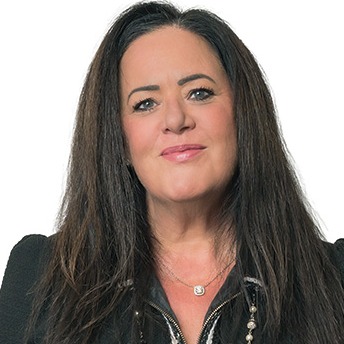
Sam Hillas KC specialises in financial remedy work at St John’s Buildings in Liverpool. In January 2026 Sam was elected as Leader of the Northern Circuit. She is also a Bencher of Inner Temple with responsibility for student engagement and support, a patron of Wirral Women and Children’s Aid, a co-editor of Family Affairs, the FLBA’s tri-annual publication, a fellow of the IAFL, a judicial officer for the RFU and World Rugby, and in 2024, she received the Pro Bono KC of the Year award from Advocate, the Bar’s advocacy charity.
I wish I’d had a mentor when applying for pupillage. I knew I wanted to be a barrister from an early age but I didn’t know how to get there. I did the basics: law degree; Bar School; mini pupillages; but I struggled to obtain pupillage. For a long time, I presented myself in the image of what I thought a barrister should look and sound like. It was exhausting and it didn’t get me very far. I likely came across as inauthentic when all I really wanted was to be a member of what I thought of as a very exclusive (and elusive) ‘club’. I like to think that if I had a mentor, they would have given me the confidence to be myself.
Be yourself... The legal world is a broad church. There is room for everyone with the intelligence to understand how the law works, the wherewithal to apply it properly and who is prepared to put in the graft and focus required in every case.
... but be realistic. I’m afraid this one is going to be controversial. Being a barrister is a difficult job. Our clients are going through the worst of times. They want the brightest and best people to represent them. They expect their advocates to have read every page of the bundle, to know the law inside out and to have prepared their written and oral advocacy to the best of their abilities. And they are right to expect that, even if the papers are delivered to us late in the day. Unlike most people my age, I believe Gen Z has a point. Life shouldn’t be all about work and we should be better at maintaining boundaries and achieving a better work-life balance. However, if that means you’re unable or unwilling to work in the evenings and at weekends then the Bar is probably not the job for you.
Become a mentor. Most barristers I know are busy juggling work and home life and deserve a round of applause if they can get to the end of a day without missing a deadline or dropping the ball. I appreciate we don’t often have the bandwidth to take on other tasks, especially unpaid ones. However, mentoring is important and something all of us who have ‘made it’ (however you want to define that) should try to find time to do. This is a difficult profession to break into (and for all the reasons I’ve said, it should be) but there are some incredible and diverse would-be advocates out there who have the intelligence and passion to really strengthen the profession but who can’t catch a break because they have no contacts or who lack confidence because they don’t see barristers who look and sound like them: they have to ‘see it’ to ‘be it’. If we want to ensure the membership of the Bar continues to evolve and become truly diverse, then we owe it to ourselves and to them to extend a hand further down the ladder. Even if you don’t have time for a full-blown mentoring relationship (and there are in fact plenty of mentoring-type relationships which are not all that time-consuming) then at least think about speaking to students. There are plenty of opportunities to do so on Circuit or with your Inn. Remember also that mentoring is not just for those at the start of their legal careers. We all face challenges in our life, when we have struggled to maintain a practice while dealing with bereavement, divorce, having children etc. If you have managed it, there are countless others who would appreciate advice about how they might also be able to manage it.
Don’t confuse what ‘being kind’ means. I’m a vocal supporter of the ‘be kind’ movement but it gives a friend of mine the ‘ick’. Her first objection is that, as a woman especially, being told to ‘be kind’ may be deployed or received as a criticism: to ‘play nice’ or ‘calm down’ when we are simply doing our jobs. We are required to be robust and assertive in court and with our opponents. We have to put uncomfortable points and ask upsetting questions of witnesses. We have to argue fearlessly and deal with people from all walks of life with different levels of resilience, including at the Bar. She makes a valid point. ‘Being kind’ in this context should mean no more than ‘be professional’. You can be robust and assertive without being rude or disrespectful.
Her second objection is that the legal aid Bar is completely knackered – burnt out and suffering from compassion fatigue. She resents the innumerable initiatives that put the onus on exhausted lawyers to improve their wellbeing by ‘being kind’ when they have just enough energy to get through the day as it is. I don’t think she’s wrong about this either. If we want a justice system peopled by advocates who make thoughtful accommodations and care beyond just getting the job done then they have to be paid properly.
Consider doing (more) pro bono work. I agree with advocates who say we shouldn’t need to do pro bono work. The vast majority of my pro bono clients would have been eligible for legal aid prior to LASPO 2012. It is a disgrace that clients who need it cannot obtain legal aid. It slows down the system and makes the job so much harder for all those involved in it, especially judges. It is also a disgrace that we should have to work without pay, especially when so many lawyers – legal aid lawyers especially – are expected to do so much for free simply to keep the justice system functioning. And again, I understand that the prospect of working yet more hours without pay on top of the busy day job can sometimes feel like a stretch too far and that, as a result, it is easy to close your mind to pro bono work. However, all of that said, we have so much knowledge it seems unfair not to share it. The Bar’s pro bono charity, Advocate, has some brilliant schemes if you do not have the time to take on a pro bono caseload – you can mentor a junior practitioner or collaborate with other professionals. In addition to work with Advocate, I volunteer at a legal clinic. The work is remote and usually consists of a 30-minute session with each client. Often all it takes is an email or a telephone call to put someone who really doesn’t have a clue on the right track.
Find your squad. The Bar can be a lonely profession. Most of our prep is done alone and there are times when you will have to work away, trying to create a ‘home office’ in a cheap hotel room with only a Tesco’s meal deal for company. Added to that, some advocates can appear to be unfriendly or brittle – not because they are, but because they are also doing a very difficult job and they worry you will undermine them if they show any weakness. However, most barristers I have met are kind, compassionate people with a cracking sense of humour and come from a huge range of diverse backgrounds. However ‘quirky’ you are, there will be others like you. Find those people and make them your friends.
Leader of the Northern Circuit Sam Hillas KC on authenticity, the joy of mentoring and where she stands on the kindness v professionalism debate

The Chair of the Bar reports back
Susie Griffin on the admin that keeps barristers from billable work
Clement Cowley, Partner at The Penny Group, explains how global events can influence the performance of pensions and ISAs, and why taking a long-term approach to investing is often the most effective strategy
Mário Barroso, Head of R&D and Method Development at AlphaBiolabs, discusses what family law professionals need to know about hallucinogens, from the main hallucinogenic drugs encountered in family proceedings, to their effects and the testing options available
Harmony Christian Ministries is the latest charity to benefit from a £500 donation from AlphaBiolabs via the company’s Giving Back initiative
By David Green

At the start of her term, Chair of the Bar 2026 Kirsty Brimelow KC set out a series of priorities for the year ahead. One of those priorities was children in the justice system
As the world becomes more digital, Barbara Vinagre Mota examines international research into the mental health consequences of judges’ exposure to graphic and immersive evidence, highlighting the importance of support systems
In an era of patient-centred care and growing concern over misconduct in medical settings, why do women still lack the right to choose women consultants for examination and treatment? Charles Davey investigates
Reviewed by Daniel Barnett
James McNeill Whistler at Tate Britain until 27 September Rothko in Florence at Palazzo Strozzi until 23 August Reviewed by Stephen Cragg KC