*/

Where to start and where to find help? Monisha Shah, Chair of the King’s Counsel Selection Panel, provides an overview of the silk selection process, debunking some myths along the way
At the end of another annual silk competition and as we look to the start of the next, I am mindful of the trepidation felt by those who may be planning to apply in 2026. This is a useful moment to reiterate some of the fundamental principles of the process and set out the resources available to both applicants and assessors as you embark on this exercise.
The purpose of the King’s Counsel award is to serve the public interest by offering a fair and transparent means of identifying excellence in advocacy in the higher courts. The process for appointing KCs, underpinned by the Competency Framework, was set by the professional bodies in conjunction with what is now the Ministry of Justice.
The KC Selection Panel cannot change the process or the Competency Framework; that is a job for the Bar Council and Law Society. Our objective as members of the panel is to implement the framework as rigorously and consistently as possible, keeping true to the purpose of the KC award.
We base our decisions, at the initial stage, entirely on the evidence provided to us by an applicant’s assessors. I cannot over-emphasise how reliant we are on the body of evidence provided to us by assessors, taken as a whole. At the later stage of the process, the interview adds nuance to this evidence. The panel is very clear and consistent in its approach. While we want an assessor’s view on an applicant’s competence and whether the case in question is of substance, all assessor views, positive or negative, must be supported by evidence for each of the competencies. The panel rigorously disregards any other superfluous information such as age, year of call, chambers, Circuits and other details in a similar vein.
The panel does not operate quotas. All applicants must demonstrate consistent evidence of excellence, confirmed by their assessors.
There is flex within the system to allow for some pragmatism. For example, it is frequently not possible for all assessors to offer evidence on Diversity. Lack of evidence from assessors is not a bar to interview, provided that the threshold for all the other competencies at that stage are met. We also ensure that sufficient time is allocated at interview to cover that competency in more detail.
Another example is that of oral advocacy. The panel recognises that the amount of oral advocacy carried out differs by specialism and personal circumstance. We make reasonable adjustments for some applicants who may be unable to provide the same quantity of evidence as others, such as those with disabilities or caring responsibilities. However, the bottom line is that the panel, and the assessors, must be satisfied that there is compelling evidence of consistent excellence across all of the competencies.
We take our responsibility incredibly seriously. Where we have any doubts, we do not make a recommendation. To knowingly compromise on quality would be to do a disservice to the public and to the professions.
As Sir Paul Morgan set out in his article for Counsel magazine in February 2025, the process is unfailingly rigorous. It uses the combined wisdom of nine assessors and 11 panel members (six legal and five lay) to reach its recommendations. If you are interested in some of the detail of how the panel carries out its work, I recommend reading that article.
On behalf of the panel, I want to recognise here the tremendous effort put in not just by the applicants, but also the assessors – the unsung heroes of this process – and all those who support them. Every year, the King’s Counsel Appointments (KCA) secretariat approaches around 2,000 assessors, who take time out of their lives and practice to provide nearly 3,000 detailed assessments – an exceptional amount of work put in by an exceptional profession which believes in the value of the KC honour.
I recognise that we need to support assessors to provide useful evidence to the panel. For us, that is evidence based, honest, succinct and straightforward assessments, without fear or favour. To that end, for the past two years we have held outreach events for assessors, timed specifically to follow our request for assessment. These events are supplemented by the assessor guidance section of our website (kcappointments.org/assessors) where both written and video guidance are available. We will run similar outreach events for assessors again in 2026. Anyone who has been approached for an assessment will automatically receive the details of these and sign-up links will also be available on the KCA website.
We have spoken to hundreds of people through seminars, webinars, conferences and forums – including potential applicants and assessors as well as heads of chambers and clerks, specialist Bars, solicitors, employed barristers, diverse networks and groups, judges and frankly anyone who is interested and can make the time! We have listened to the questions and comments from these and other interactions to refine our guidance and create further support materials.
If you are a potential applicant, I would strongly advise visiting the guidance section of our website (kcappointments.org/applicants). The written guidance, updated every year, has been standard since the inception of the competition. Now we also post recordings of recent events and informational videos to support your application. For example, panel members provide an overview of the process, give advice on how to prepare for an interview and discuss some of the more common misconceptions.
Even if you are some way off applying, I would highlight, in particular, the ‘preparing to apply for silk’ video. It is never too early to start thinking about how best to prepare for your silk application. As Dame Anne Rafferty sets out in the video, start a dossier as early as possible and note down how the cases you have been involved in might support each of the competencies. This will help identify the best cases for your application as well as any gaps in experience that you could seek support from those around you to fill. We know from the assessments we receive and through our outreach that there is an extraordinary amount of goodwill and support available to you.
Finally, for everyone involved in the process, I do recommend visiting the KCA partner page on the Counsel website where you will find all of our past articles for Counsel, including our 2025 series on the individual competencies in the framework.
I know there is more for us to do. Our outreach work will continue throughout 2026. We will continue to host wider, online events for all applicants as well as specific events in response to feedback from the profession. For example, we will hold a webinar focused on chambers where there are currently no KCs to provide the informal mentoring we know can be so valuable.
The dates for upcoming events can be found on our website (kcappointments.org) but if you are a head of chambers, the lead for a specialist Bar or solicitors association, a partner in a law firm or you represent a group of assessors who would like some support, please do get in touch with the secretariat at enquiries@kcappointments.org who would be happy to try and arrange something with you.
If you are planning to apply in the 2026 competition, the panel and I look forward to receiving your application. If you anticipate being an assessor this year, I would like to thank you in advance for your part in this extraordinary process. Together we will continue to ensure that the KC award remains a world leading kitemark of excellence.
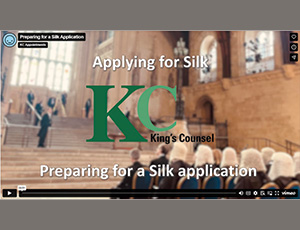
It is never too early to start thinking about how best to prepare for your silk application. Visit kcappointments.org/applicants for video and written guidance.
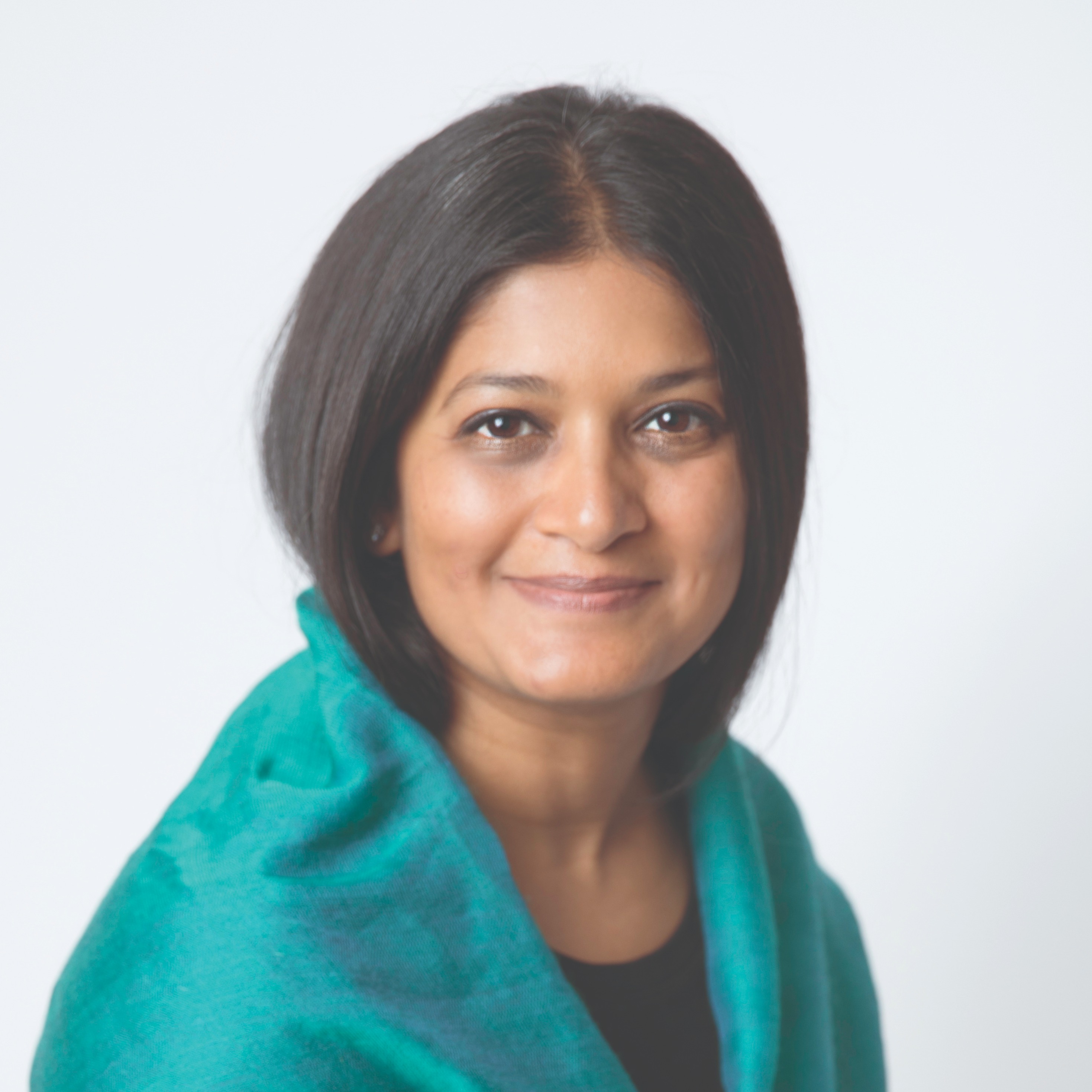
Monisha Shah is the Chair of the King's Counsel Selection Panel.
At the end of another annual silk competition and as we look to the start of the next, I am mindful of the trepidation felt by those who may be planning to apply in 2026. This is a useful moment to reiterate some of the fundamental principles of the process and set out the resources available to both applicants and assessors as you embark on this exercise.
The purpose of the King’s Counsel award is to serve the public interest by offering a fair and transparent means of identifying excellence in advocacy in the higher courts. The process for appointing KCs, underpinned by the Competency Framework, was set by the professional bodies in conjunction with what is now the Ministry of Justice.
The KC Selection Panel cannot change the process or the Competency Framework; that is a job for the Bar Council and Law Society. Our objective as members of the panel is to implement the framework as rigorously and consistently as possible, keeping true to the purpose of the KC award.
We base our decisions, at the initial stage, entirely on the evidence provided to us by an applicant’s assessors. I cannot over-emphasise how reliant we are on the body of evidence provided to us by assessors, taken as a whole. At the later stage of the process, the interview adds nuance to this evidence. The panel is very clear and consistent in its approach. While we want an assessor’s view on an applicant’s competence and whether the case in question is of substance, all assessor views, positive or negative, must be supported by evidence for each of the competencies. The panel rigorously disregards any other superfluous information such as age, year of call, chambers, Circuits and other details in a similar vein.
The panel does not operate quotas. All applicants must demonstrate consistent evidence of excellence, confirmed by their assessors.
There is flex within the system to allow for some pragmatism. For example, it is frequently not possible for all assessors to offer evidence on Diversity. Lack of evidence from assessors is not a bar to interview, provided that the threshold for all the other competencies at that stage are met. We also ensure that sufficient time is allocated at interview to cover that competency in more detail.
Another example is that of oral advocacy. The panel recognises that the amount of oral advocacy carried out differs by specialism and personal circumstance. We make reasonable adjustments for some applicants who may be unable to provide the same quantity of evidence as others, such as those with disabilities or caring responsibilities. However, the bottom line is that the panel, and the assessors, must be satisfied that there is compelling evidence of consistent excellence across all of the competencies.
We take our responsibility incredibly seriously. Where we have any doubts, we do not make a recommendation. To knowingly compromise on quality would be to do a disservice to the public and to the professions.
As Sir Paul Morgan set out in his article for Counsel magazine in February 2025, the process is unfailingly rigorous. It uses the combined wisdom of nine assessors and 11 panel members (six legal and five lay) to reach its recommendations. If you are interested in some of the detail of how the panel carries out its work, I recommend reading that article.
On behalf of the panel, I want to recognise here the tremendous effort put in not just by the applicants, but also the assessors – the unsung heroes of this process – and all those who support them. Every year, the King’s Counsel Appointments (KCA) secretariat approaches around 2,000 assessors, who take time out of their lives and practice to provide nearly 3,000 detailed assessments – an exceptional amount of work put in by an exceptional profession which believes in the value of the KC honour.
I recognise that we need to support assessors to provide useful evidence to the panel. For us, that is evidence based, honest, succinct and straightforward assessments, without fear or favour. To that end, for the past two years we have held outreach events for assessors, timed specifically to follow our request for assessment. These events are supplemented by the assessor guidance section of our website (kcappointments.org/assessors) where both written and video guidance are available. We will run similar outreach events for assessors again in 2026. Anyone who has been approached for an assessment will automatically receive the details of these and sign-up links will also be available on the KCA website.
We have spoken to hundreds of people through seminars, webinars, conferences and forums – including potential applicants and assessors as well as heads of chambers and clerks, specialist Bars, solicitors, employed barristers, diverse networks and groups, judges and frankly anyone who is interested and can make the time! We have listened to the questions and comments from these and other interactions to refine our guidance and create further support materials.
If you are a potential applicant, I would strongly advise visiting the guidance section of our website (kcappointments.org/applicants). The written guidance, updated every year, has been standard since the inception of the competition. Now we also post recordings of recent events and informational videos to support your application. For example, panel members provide an overview of the process, give advice on how to prepare for an interview and discuss some of the more common misconceptions.
Even if you are some way off applying, I would highlight, in particular, the ‘preparing to apply for silk’ video. It is never too early to start thinking about how best to prepare for your silk application. As Dame Anne Rafferty sets out in the video, start a dossier as early as possible and note down how the cases you have been involved in might support each of the competencies. This will help identify the best cases for your application as well as any gaps in experience that you could seek support from those around you to fill. We know from the assessments we receive and through our outreach that there is an extraordinary amount of goodwill and support available to you.
Finally, for everyone involved in the process, I do recommend visiting the KCA partner page on the Counsel website where you will find all of our past articles for Counsel, including our 2025 series on the individual competencies in the framework.
I know there is more for us to do. Our outreach work will continue throughout 2026. We will continue to host wider, online events for all applicants as well as specific events in response to feedback from the profession. For example, we will hold a webinar focused on chambers where there are currently no KCs to provide the informal mentoring we know can be so valuable.
The dates for upcoming events can be found on our website (kcappointments.org) but if you are a head of chambers, the lead for a specialist Bar or solicitors association, a partner in a law firm or you represent a group of assessors who would like some support, please do get in touch with the secretariat at enquiries@kcappointments.org who would be happy to try and arrange something with you.
If you are planning to apply in the 2026 competition, the panel and I look forward to receiving your application. If you anticipate being an assessor this year, I would like to thank you in advance for your part in this extraordinary process. Together we will continue to ensure that the KC award remains a world leading kitemark of excellence.
It is never too early to start thinking about how best to prepare for your silk application. Visit kcappointments.org/applicants for video and written guidance.
Where to start and where to find help? Monisha Shah, Chair of the King’s Counsel Selection Panel, provides an overview of the silk selection process, debunking some myths along the way

The Chair of the Bar reports back
Susie Griffin on the admin that keeps barristers from billable work
Clement Cowley, Partner at The Penny Group, explains how global events can influence the performance of pensions and ISAs, and why taking a long-term approach to investing is often the most effective strategy
Mário Barroso, Head of R&D and Method Development at AlphaBiolabs, discusses what family law professionals need to know about hallucinogens, from the main hallucinogenic drugs encountered in family proceedings, to their effects and the testing options available
Harmony Christian Ministries is the latest charity to benefit from a £500 donation from AlphaBiolabs via the company’s Giving Back initiative
By David Green

The golden age of advocacy? David Langwallner pays homage to the filmic if contentious barrister Sir Edward Carson and some of his contemporaries
Leah Arthur, a pupil, and her second seat supervisor, John Goss, share their perspectives on building a productive pupil-supervisor relationship
Henry Fingerhut outlines what the Bar Standards Board AI guidance means for early career barristers
The Ministry of Justice will match-fund up to 100 criminal pupillages, with grants available to criminal chambers across England and Wales. Similar to the COIC scheme, the grants will match-fund pupillages additional to those otherwise offered without government funding
Not yet, says Jacob Turner. Regulation, unlike the technology itself, is a domain the legal profession can still control