*/
Dame Anne Rafferty, President of the Kalisher Trust, marks 30 years of transforming lives and inspiring young people to achieve through advocacy
In 1996 cancer ripped away the distinguished QC Michael Kalisher in weeks. He knew youngsters at the Bar are the future and I suggested to him a scholarship in his name. He was formidably intelligent, irreverent and very funny. Why not make those the criteria for an award? His letter from his Hospice includes:
‘I’ve discussed this with the family. We’re all delighted, but none of them could think of a single characteristic of mine which would sensibly be reproduced.’
Thirty years later, developing from an essay prize, Kalisher has done what he wanted. The deserving but unsupported young set on the criminal Bar have strengthened chances. It broadened its approach to school ages, because advocacy skills help anyone. Put the anxiety clearly to the GP, interrogate the decision of the school governors, do better in the job interview – the list is endless.
For barristers habituated to speaking in court on an almost daily basis it can be difficult to cast minds back to their first experience of public speaking. Many have educational backgrounds in which debating and verbal challenge is taken for granted but these are not universal school experiences.
Those barristers who have participated in Kalisher’s mock trial programme will personally attest to what it is like to see a teenager turn their hand, for the very first time, to public speaking. It is a galvanising experience and a necessary reminder of what we came to the profession for.
This has come about thanks to close relationships with The Harris Federation and The Creative Education Trust which enables multiple schools to be assembled to ensure the largest number of pupils participate.
The Trust’s educational outreach activities extend, in addition, to attendance at university Open Days and to ‘The Trial of Mr Bear’ and ‘Crown v Goldilocks’ videos for students in Years 3 and 4 in primary schools. Kalisher’s reach includes primary, secondary and tertiary education, maximising exposure to the possibility of a career at the criminal Bar for those who might otherwise discount it.
Kalisher has not done its work alone. We have been ably assisted by a number of organisations that take our scholars, and interns, among them JUSTICE, Wadham College, the Criminal Cases Review Commission (CCRC) and Amicus.
Abigail Bright, who took over as trustee with responsibility for scholarships, awards and early career internships from Andrew Hall KC, is herself a ‘Kalisher kid’. She says: ‘While a pupil, I benefited from all that the Trust offered.’
Stephanie Needleman, Legal Director at Justice, comments: ‘We had some really impressive applicants for the Kalisher scholarship.’ The successful applicant was already on a strong trajectory through Inner Temple’s Pass Scholar Programme.
At the CCRC, Lauren Sharkey recognises that: ‘From our point of view [the partnership between Kalisher and CCRC] continues to be a great success, and we’re delighted with the calibre of candidates that we appoint.’
Kalisher’s help in pupillage interview training, in the exhausting six-week advocacy course and plenty more, is a success. Beginners can turn to trustees for help, ad hoc – and they do. The man who would have done all he could for them would be thrilled. Look at the trust’s heading – ‘Kalisher’ is an exact reproduction of his signature. In this, our 30th year, we will both celebrate past successes and set the course for the future.
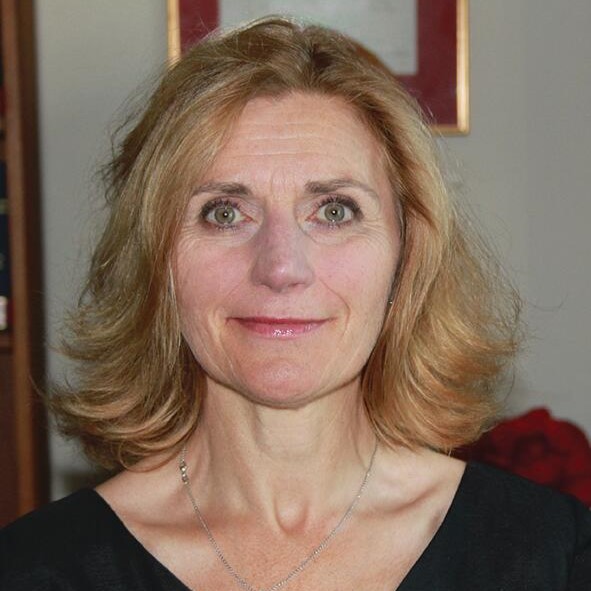
Dame Anne Rafferty practised in criminal law, took silk in 1990 and retired from the Court of Appeal in 2020. She is President of the Kalisher Trust and a member of the King’s Counsel Selection Panel.
In 1996 cancer ripped away the distinguished QC Michael Kalisher in weeks. He knew youngsters at the Bar are the future and I suggested to him a scholarship in his name. He was formidably intelligent, irreverent and very funny. Why not make those the criteria for an award? His letter from his Hospice includes:
‘I’ve discussed this with the family. We’re all delighted, but none of them could think of a single characteristic of mine which would sensibly be reproduced.’
Thirty years later, developing from an essay prize, Kalisher has done what he wanted. The deserving but unsupported young set on the criminal Bar have strengthened chances. It broadened its approach to school ages, because advocacy skills help anyone. Put the anxiety clearly to the GP, interrogate the decision of the school governors, do better in the job interview – the list is endless.
For barristers habituated to speaking in court on an almost daily basis it can be difficult to cast minds back to their first experience of public speaking. Many have educational backgrounds in which debating and verbal challenge is taken for granted but these are not universal school experiences.
Those barristers who have participated in Kalisher’s mock trial programme will personally attest to what it is like to see a teenager turn their hand, for the very first time, to public speaking. It is a galvanising experience and a necessary reminder of what we came to the profession for.
This has come about thanks to close relationships with The Harris Federation and The Creative Education Trust which enables multiple schools to be assembled to ensure the largest number of pupils participate.
The Trust’s educational outreach activities extend, in addition, to attendance at university Open Days and to ‘The Trial of Mr Bear’ and ‘Crown v Goldilocks’ videos for students in Years 3 and 4 in primary schools. Kalisher’s reach includes primary, secondary and tertiary education, maximising exposure to the possibility of a career at the criminal Bar for those who might otherwise discount it.
Kalisher has not done its work alone. We have been ably assisted by a number of organisations that take our scholars, and interns, among them JUSTICE, Wadham College, the Criminal Cases Review Commission (CCRC) and Amicus.
Abigail Bright, who took over as trustee with responsibility for scholarships, awards and early career internships from Andrew Hall KC, is herself a ‘Kalisher kid’. She says: ‘While a pupil, I benefited from all that the Trust offered.’
Stephanie Needleman, Legal Director at Justice, comments: ‘We had some really impressive applicants for the Kalisher scholarship.’ The successful applicant was already on a strong trajectory through Inner Temple’s Pass Scholar Programme.
At the CCRC, Lauren Sharkey recognises that: ‘From our point of view [the partnership between Kalisher and CCRC] continues to be a great success, and we’re delighted with the calibre of candidates that we appoint.’
Kalisher’s help in pupillage interview training, in the exhausting six-week advocacy course and plenty more, is a success. Beginners can turn to trustees for help, ad hoc – and they do. The man who would have done all he could for them would be thrilled. Look at the trust’s heading – ‘Kalisher’ is an exact reproduction of his signature. In this, our 30th year, we will both celebrate past successes and set the course for the future.
Dame Anne Rafferty, President of the Kalisher Trust, marks 30 years of transforming lives and inspiring young people to achieve through advocacy

The Chair of the Bar reports back
Susie Griffin on the admin that keeps barristers from billable work
Clement Cowley, Partner at The Penny Group, explains how global events can influence the performance of pensions and ISAs, and why taking a long-term approach to investing is often the most effective strategy
Mário Barroso, Head of R&D and Method Development at AlphaBiolabs, discusses what family law professionals need to know about hallucinogens, from the main hallucinogenic drugs encountered in family proceedings, to their effects and the testing options available
Harmony Christian Ministries is the latest charity to benefit from a £500 donation from AlphaBiolabs via the company’s Giving Back initiative
By David Green
At the start of her term, Chair of the Bar 2026 Kirsty Brimelow KC set out a series of priorities for the year ahead. One of those priorities was children in the justice system
As the world becomes more digital, Barbara Vinagre Mota examines international research into the mental health consequences of judges’ exposure to graphic and immersive evidence, highlighting the importance of support systems
In an era of patient-centred care and growing concern over misconduct in medical settings, why do women still lack the right to choose women consultants for examination and treatment? Charles Davey investigates
Reviewed by Daniel Barnett
James McNeill Whistler at Tate Britain until 27 September Rothko in Florence at Palazzo Strozzi until 23 August Reviewed by Stephen Cragg KC