*/

Monisha Shah and John Montague address some of the common concerns raised by employed barristers considering an application for silk
The award of King’s Counsel (KC) is conferred on advocates with higher rights of audience in the senior courts of England and Wales who have demonstrated consistent excellence in advocacy. The framework governing the award was established by the Law Society, the Bar Council and the then Lord Chancellor.
King’s Counsel Appointments (KCA) is an independent body which is responsible for administering the annual selection process according to the framework established by the professions. Recommendations for KC appointments are made to the Lord Chancellor by an independent KC Selection Panel. The Panel, chaired by a lay chair, consists of two judicial members, two solicitor members, two barristers and five lay members.
Representing around one-fifth of all practising barristers, more than half of the employed Bar work in the public sector, while a further quarter are employed within solicitors’ firms. Their roles span a wide range of organisations, including the Crown Prosecution Service, the Government Legal Department, the Armed Forces, local authorities and regulatory bodies.
The employed Bar is also notably diverse. Compared with the self-employed Bar, it includes a higher proportion of women, barristers from ethnic minority backgrounds and those with disabilities. Employed barristers are also more likely to have primary caring responsibilities for children.
Applicants for silk come from a broad range of professional backgrounds, and applications from employed barristers are actively encouraged.
We are committed to challenging misconceptions and removing barriers – whether real or perceived – that may discourage talented advocates from applying for silk. In this article, we explore some of the most common concerns raised by employed barristers surrounding the process and seek to provide clarity and reassurance for prospective applicants.
A recurring concern among employed barristers is that the silk application process places disproportionate emphasis on oral advocacy, potentially disadvantaging those whose practices do not regularly involve courtroom appearances.
Advocacy remains a fundamental criterion for appointment, as set out in the competency framework. Applicants are therefore expected to provide strong and consistent evidence of excellence in both written and oral advocacy under Competency B.
The Panel is, however, acutely aware that differences in practice areas and professional specialisms can affect the volume of oral advocacy evidence available to individual applicants. While it is true that there must be some evidence of excellence in oral advocacy to be appointed, the Panel takes these differences into account when assessing Competency B as a whole, ensuring that applicants are judged fairly in light of the nature of their practice.
We are aware that some successful applicants have used pro bono work as a valuable means of strengthening evidence of oral advocacy, as well as other competencies. Such opportunities may be particularly beneficial for barristers whose work is predominantly desk-based or who do not regularly appear before the higher courts.
A common misconception is that applicants must submit evidence from 12 cases conducted within the previous three years. In reality, the Panel recognises that the nature of employed practice may make it difficult to provide this volume of casework. Equally, applicants may have experienced career breaks, parental leave, or been engaged in lengthy inquiries during the relevant period.
Having fewer than 12 cases is neither a barrier to applying nor to appointment, provided an applicant can demonstrate the required standard of consistent excellence across the competencies. Applicants who are unable to provide 12 cases should explain the reasons within their application. It may also be appropriate to draw on cases that fall slightly outside the three-year window. Having said that, applicants should bear in mind that the further removed a case is in time, the less likely it is that assessors will retain a detailed recollection of it.
Assessors are a key part of the KC appointments process, providing evidence as to the applicant’s ability across the competencies. As with listing 12 cases over three years, the Panel understands that, due to the nature of their practice, employed barrister applicants may not be able to provide the details of 12 judicial assessors, 12 practitioner assessors and at least six client assessors. We recognise, for example, that many employed barristers essentially have one ‘client’ which is their employer, although individuals within the same organisation who have instructed the applicant may be listed separately. It could also be more challenging to list the recommended number of practitioner assessors if, for example, the applicant was employed by the Armed Forces where it might be impractical and inappropriate to approach a barrister against whom they have appeared and who may be hostile to that employer.
The Panel aims to seek nine assessments in total – four from judicial assessors, three from practitioner assessors and two from client assessors. If applicants are unable to list the full complement of assessors for any reason, it should be noted on the application form, and the Panel will take this into account.
Employed barristers may feel that they have less institutional support when applying for silk than their counterparts in chambers. This can create a perception that professional coaching is necessary to navigate the application process successfully.
While guidance and feedback from a range of sources is of course valuable, applicants should be reassured that paid coaching is neither a requirement nor a guarantee of success. Indeed, applications that have been heavily coached can often be readily identified, as the applicant may try to shoehorn prepared responses into their answers, undermining the authenticity that the Panel is seeking.
The most effective preparation remains the simplest: taking time to reflect carefully on the strongest examples from one’s own practice, whether arising from listed or unlisted cases, and considering how those examples demonstrate excellence across the competencies.
For those considering an application for silk, we hope this article has provided a useful insight into the process and addressed some of the common concerns raised by employed barristers.
A wide range of additional resources is available on the KCA website, including a series of new guidance videos – among them a dedicated video for employed barristers – which complement the existing written guidance. The KCA’s outreach programme will also continue throughout 2026 and 2027. Details of forthcoming events, including a dedicated event for the employed Bar, will be available on the website: kcappointments.org.
The Secretariat is available to provide guidance and answer questions about any aspect of the application process. For further information or support please email enquiries@kcappointments.org.
See also ‘Crafting an employed route to silk’ by Stuart Alford KC in Counsel’s Silk Supplement 2026.
Read the full series of the KC Selection Panel’s articles in Counsel, and access video guidance.
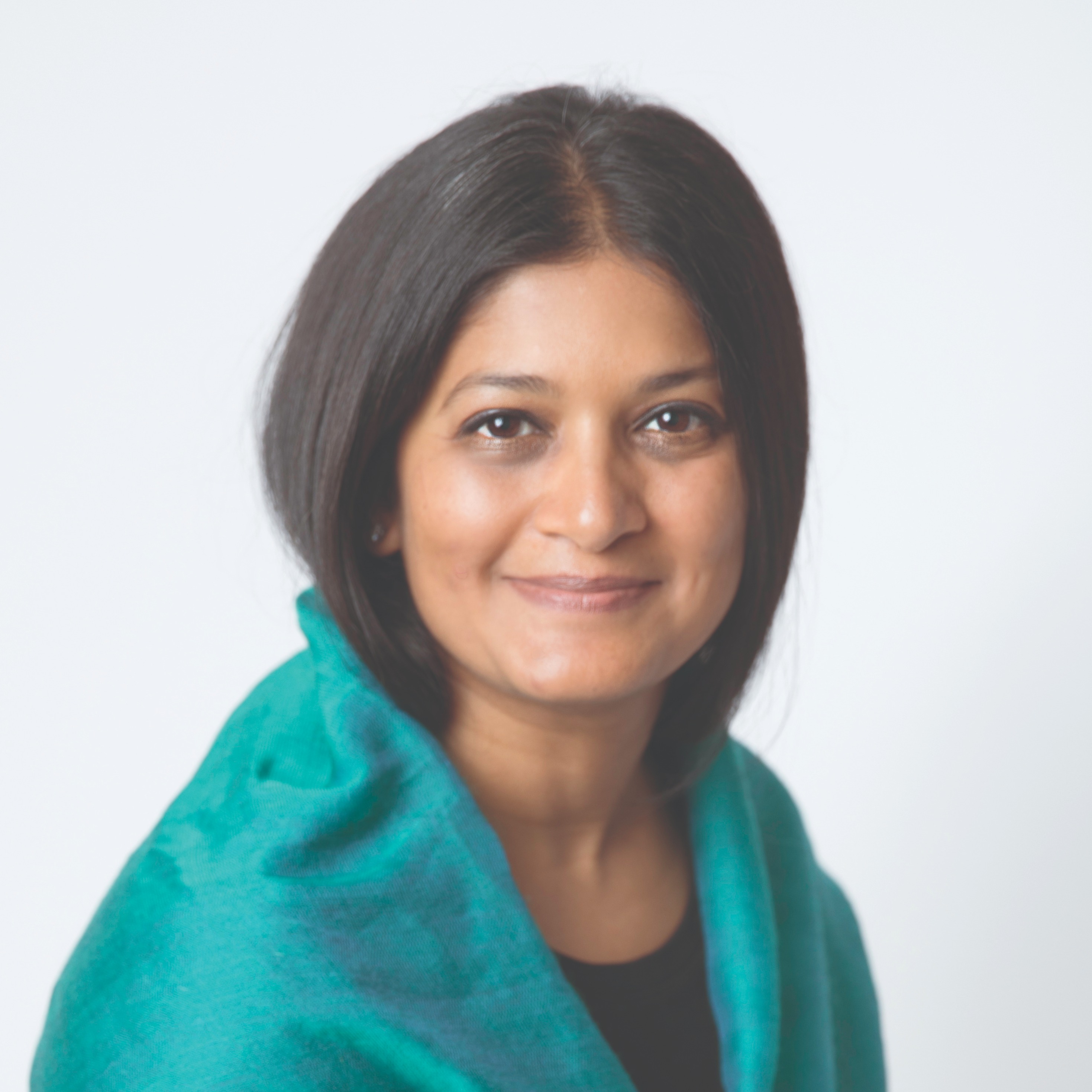
Monisha Shah is the Chair of the King's Counsel Selection Panel.

John Montague is a Senior District Crown Prosecutor and legal member of the King’s Counsel Selection Panel.
The award of King’s Counsel (KC) is conferred on advocates with higher rights of audience in the senior courts of England and Wales who have demonstrated consistent excellence in advocacy. The framework governing the award was established by the Law Society, the Bar Council and the then Lord Chancellor.
King’s Counsel Appointments (KCA) is an independent body which is responsible for administering the annual selection process according to the framework established by the professions. Recommendations for KC appointments are made to the Lord Chancellor by an independent KC Selection Panel. The Panel, chaired by a lay chair, consists of two judicial members, two solicitor members, two barristers and five lay members.
Representing around one-fifth of all practising barristers, more than half of the employed Bar work in the public sector, while a further quarter are employed within solicitors’ firms. Their roles span a wide range of organisations, including the Crown Prosecution Service, the Government Legal Department, the Armed Forces, local authorities and regulatory bodies.
The employed Bar is also notably diverse. Compared with the self-employed Bar, it includes a higher proportion of women, barristers from ethnic minority backgrounds and those with disabilities. Employed barristers are also more likely to have primary caring responsibilities for children.
Applicants for silk come from a broad range of professional backgrounds, and applications from employed barristers are actively encouraged.
We are committed to challenging misconceptions and removing barriers – whether real or perceived – that may discourage talented advocates from applying for silk. In this article, we explore some of the most common concerns raised by employed barristers surrounding the process and seek to provide clarity and reassurance for prospective applicants.
A recurring concern among employed barristers is that the silk application process places disproportionate emphasis on oral advocacy, potentially disadvantaging those whose practices do not regularly involve courtroom appearances.
Advocacy remains a fundamental criterion for appointment, as set out in the competency framework. Applicants are therefore expected to provide strong and consistent evidence of excellence in both written and oral advocacy under Competency B.
The Panel is, however, acutely aware that differences in practice areas and professional specialisms can affect the volume of oral advocacy evidence available to individual applicants. While it is true that there must be some evidence of excellence in oral advocacy to be appointed, the Panel takes these differences into account when assessing Competency B as a whole, ensuring that applicants are judged fairly in light of the nature of their practice.
We are aware that some successful applicants have used pro bono work as a valuable means of strengthening evidence of oral advocacy, as well as other competencies. Such opportunities may be particularly beneficial for barristers whose work is predominantly desk-based or who do not regularly appear before the higher courts.
A common misconception is that applicants must submit evidence from 12 cases conducted within the previous three years. In reality, the Panel recognises that the nature of employed practice may make it difficult to provide this volume of casework. Equally, applicants may have experienced career breaks, parental leave, or been engaged in lengthy inquiries during the relevant period.
Having fewer than 12 cases is neither a barrier to applying nor to appointment, provided an applicant can demonstrate the required standard of consistent excellence across the competencies. Applicants who are unable to provide 12 cases should explain the reasons within their application. It may also be appropriate to draw on cases that fall slightly outside the three-year window. Having said that, applicants should bear in mind that the further removed a case is in time, the less likely it is that assessors will retain a detailed recollection of it.
Assessors are a key part of the KC appointments process, providing evidence as to the applicant’s ability across the competencies. As with listing 12 cases over three years, the Panel understands that, due to the nature of their practice, employed barrister applicants may not be able to provide the details of 12 judicial assessors, 12 practitioner assessors and at least six client assessors. We recognise, for example, that many employed barristers essentially have one ‘client’ which is their employer, although individuals within the same organisation who have instructed the applicant may be listed separately. It could also be more challenging to list the recommended number of practitioner assessors if, for example, the applicant was employed by the Armed Forces where it might be impractical and inappropriate to approach a barrister against whom they have appeared and who may be hostile to that employer.
The Panel aims to seek nine assessments in total – four from judicial assessors, three from practitioner assessors and two from client assessors. If applicants are unable to list the full complement of assessors for any reason, it should be noted on the application form, and the Panel will take this into account.
Employed barristers may feel that they have less institutional support when applying for silk than their counterparts in chambers. This can create a perception that professional coaching is necessary to navigate the application process successfully.
While guidance and feedback from a range of sources is of course valuable, applicants should be reassured that paid coaching is neither a requirement nor a guarantee of success. Indeed, applications that have been heavily coached can often be readily identified, as the applicant may try to shoehorn prepared responses into their answers, undermining the authenticity that the Panel is seeking.
The most effective preparation remains the simplest: taking time to reflect carefully on the strongest examples from one’s own practice, whether arising from listed or unlisted cases, and considering how those examples demonstrate excellence across the competencies.
For those considering an application for silk, we hope this article has provided a useful insight into the process and addressed some of the common concerns raised by employed barristers.
A wide range of additional resources is available on the KCA website, including a series of new guidance videos – among them a dedicated video for employed barristers – which complement the existing written guidance. The KCA’s outreach programme will also continue throughout 2026 and 2027. Details of forthcoming events, including a dedicated event for the employed Bar, will be available on the website: kcappointments.org.
The Secretariat is available to provide guidance and answer questions about any aspect of the application process. For further information or support please email enquiries@kcappointments.org.
See also ‘Crafting an employed route to silk’ by Stuart Alford KC in Counsel’s Silk Supplement 2026.
Read the full series of the KC Selection Panel’s articles in Counsel, and access video guidance.
Monisha Shah and John Montague address some of the common concerns raised by employed barristers considering an application for silk

The Chair of the Bar reports back
By Kem Kemal, CEO, Henry Dannell
By BSK Financial Planning
Mário Barroso, Head of R&D and Method Development at AlphaBiolabs
Susie Griffin on the admin that keeps barristers from billable work
Clement Cowley, Partner at The Penny Group, explains how global events can influence the performance of pensions and ISAs, and why taking a long-term approach to investing is often the most effective strategy

Kick off your career at the Bar Council’s Pupillage Fair this October – it’s one of the most valuable opportunities for aspiring barristers, says Amelia Clegg
The golden age of advocacy? David Langwallner pays homage to the filmic if contentious barrister Sir Edward Carson and some of his contemporaries
Henry Fingerhut outlines what the Bar Standards Board AI guidance means for early career barristers
The Ministry of Justice will match-fund up to 100 criminal pupillages, with grants available to criminal chambers across England and Wales. Similar to the COIC scheme, the grants will match-fund pupillages additional to those otherwise offered without government funding
Not yet, says Jacob Turner. Regulation, unlike the technology itself, is a domain the legal profession can still control