*/
Ever spared a thought for the legal minds drafting our statutes and Bills, largely in obscurity? John F Wilson explores the craft, influence and enduring mystique of legislative drafting
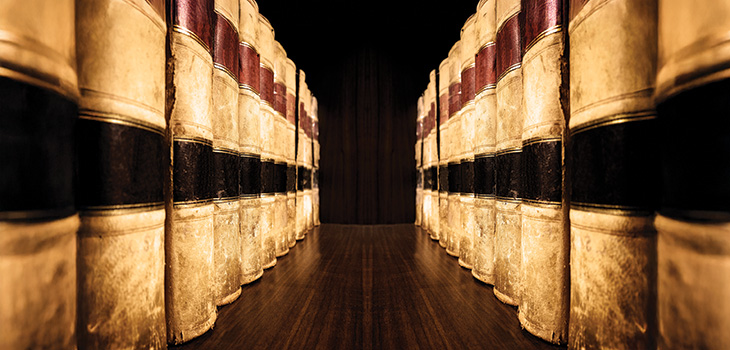
The libraries of all the Inns of Court are wonderful repositories of legal textbooks, law reports – and statute law. The Inner Temple library is particularly well-stocked with volumes of statutes from former British territories, and some existing Overseas Territories; it shares this distinction with Lincoln’s Inn library. Some of them are in store but many are accessible on the shelves. I sometimes wonder whether users of the library ask themselves who writes the laws that are contained in those volumes from Britain and from many parts of the Commonwealth.
Most lawyers know the names of some of judges who have made rulings in key cases, which have helped to create the law. There is the famous one in Donoghue v Stevenson, the 1932 House of Lords case in which Lord Atkin pronounced his ‘neighbour principle’, the foundation of the law of negligence. Most readers will also know the names of the writers of legal textbooks whose names appear on the book. But no one knows the names of the people who wrote the thousands of statutes contained in hundreds of bound volumes on the shelves of every law library.
It perhaps never occurs to people, even lawyers, that there are specialists who actually write the text of the laws. It seems that in law schools and in court the writer of a statute is referred to, if at all, only as ‘the draftsman’. In his judgment in Mirvahedy v Henley and another (Times LR 24.3.03) referring to s 2 of the Animals Act 1971, Lord Nicoll said: ‘Unfortunately, the language of the section is itself opaque. The draftsman’s zeal for brevity had led to obscurity. Section 2(2) has attracted much judicial obloquy.’ These days, it would be a gender-neutral term, but still anonymous.
If there is to be criticism of a piece of drafting, perhaps anonymity is a useful protection. So, I am not saying that the writers of statute law should be named, in the same way that judges who make significant judgments are known, and textbook writers are known. But it would be nice to think that users of statutes realise there was a legal mind at work in the creation of the original Bill.
So, who are these people? They are usually law graduates; they might be barristers or solicitors, or neither, but will have had some experience of law in practice. They are recruited through advertisement in the legal press, or by word of mouth, and will be people with a particular affinity for writing and for legal analysis. They will be prepared to spend hours in solitary contemplation of a set of ‘drafting instructions’ provided by a government agency (or occasionally by a law firm for a commercial entity). They will understand the need for a ‘plain English’ style of writing, rather than the archaic style of the past. They will know how to use good precedents without slavishly following them. They will be ready to defend their draft against criticism from a senior civil servant or a Minister or members of the legislature.
Statute law is, of course, not the product of a single mind, although some statutes are known to have been drafted in a single day by an experienced drafter. And some significant statutes carry the name of their main promoter in Parliament. But usually a statute is the product of a legislative process, only part of which is the responsibility of the original drafter. The drafter might be required to draft government amendments in response to decisions at committee stage, and the end-product might be significantly different from the draft Bill that left the drafter’s desk or computer. (Non-government amendments are usually drafted by the members of the legislature or by ‘Parliamentary Agents’.) In some jurisdictions, such as Canada and Hong Kong, there will also be a bilingual version of a statute, which might have been drafted by someone else.
In the larger Commonwealth countries, law drafters do not receive formal training of an academic kind, but they learn ‘on the job’ by pairing with a senior member of the office. In England this is called the Office of Parliamentary Counsel, a term which has been used since the inception of the office under Lord Thring in 1869. The head of the office is ‘First Parliamentary Counsel’ and I was privileged to hold that title in Fiji for a few years. In other jurisdictions, the office might be called ‘Legislative Drafting Office’ or similar. In some small jurisdictions there is no separate law drafting office, and the drafting work is done in the Attorney General’s Chambers (which was my first experience of drafting in Tuvalu and in Montserrat). In Hong Kong, where I really learnt my trade, the large Law Drafting Division is now part of the Department of Justice.
For potential drafters from emerging Commonwealth countries there is a legislative drafting course run by the Institute of Advanced Legal Studies at the University of London, and courses are also run in-person and online by some overseas universities. There are also several textbooks on legislative drafting, and on Plain English drafting. But perhaps the best training for law drafters of all ages is the Commonwealth Association of Legislative Counsel (see calc.ngo). This is a professional body set up in Hong Kong in 1983, which is free to all law drafters in the Commonwealth. It holds conferences every two or three years and publishes a regular journal and a newsletter. The journal is called The Loophole which is the logo of the Association and represents that which every law drafter tries to avoid creating…
So legislative drafters – or law drafters – must get used to not having their name appear on the legislation that they help to produce. The one exception is when a jurisdiction publishes a Revised Edition of the Laws, when the Law Revision Commissioner’s name will usually appear. (See the St Helena Revised Edition of 2017 which has my name on it.) But otherwise, our satisfaction is knowing that we have helped achieve a new piece of legislation that will presumably benefit the community.
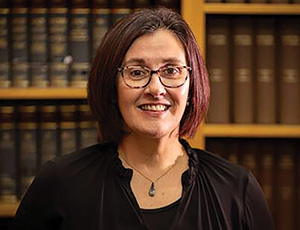

John F Wilson became Attorney General of Tuvalu and of Montserrat after 10 years at the Birmingham Bar. He then became a legislative drafter in Hong Kong, Fiji and Grenada and is now a retired law drafting consultant based in the UK.
The libraries of all the Inns of Court are wonderful repositories of legal textbooks, law reports – and statute law. The Inner Temple library is particularly well-stocked with volumes of statutes from former British territories, and some existing Overseas Territories; it shares this distinction with Lincoln’s Inn library. Some of them are in store but many are accessible on the shelves. I sometimes wonder whether users of the library ask themselves who writes the laws that are contained in those volumes from Britain and from many parts of the Commonwealth.
Most lawyers know the names of some of judges who have made rulings in key cases, which have helped to create the law. There is the famous one in Donoghue v Stevenson, the 1932 House of Lords case in which Lord Atkin pronounced his ‘neighbour principle’, the foundation of the law of negligence. Most readers will also know the names of the writers of legal textbooks whose names appear on the book. But no one knows the names of the people who wrote the thousands of statutes contained in hundreds of bound volumes on the shelves of every law library.
It perhaps never occurs to people, even lawyers, that there are specialists who actually write the text of the laws. It seems that in law schools and in court the writer of a statute is referred to, if at all, only as ‘the draftsman’. In his judgment in Mirvahedy v Henley and another (Times LR 24.3.03) referring to s 2 of the Animals Act 1971, Lord Nicoll said: ‘Unfortunately, the language of the section is itself opaque. The draftsman’s zeal for brevity had led to obscurity. Section 2(2) has attracted much judicial obloquy.’ These days, it would be a gender-neutral term, but still anonymous.
If there is to be criticism of a piece of drafting, perhaps anonymity is a useful protection. So, I am not saying that the writers of statute law should be named, in the same way that judges who make significant judgments are known, and textbook writers are known. But it would be nice to think that users of statutes realise there was a legal mind at work in the creation of the original Bill.
So, who are these people? They are usually law graduates; they might be barristers or solicitors, or neither, but will have had some experience of law in practice. They are recruited through advertisement in the legal press, or by word of mouth, and will be people with a particular affinity for writing and for legal analysis. They will be prepared to spend hours in solitary contemplation of a set of ‘drafting instructions’ provided by a government agency (or occasionally by a law firm for a commercial entity). They will understand the need for a ‘plain English’ style of writing, rather than the archaic style of the past. They will know how to use good precedents without slavishly following them. They will be ready to defend their draft against criticism from a senior civil servant or a Minister or members of the legislature.
Statute law is, of course, not the product of a single mind, although some statutes are known to have been drafted in a single day by an experienced drafter. And some significant statutes carry the name of their main promoter in Parliament. But usually a statute is the product of a legislative process, only part of which is the responsibility of the original drafter. The drafter might be required to draft government amendments in response to decisions at committee stage, and the end-product might be significantly different from the draft Bill that left the drafter’s desk or computer. (Non-government amendments are usually drafted by the members of the legislature or by ‘Parliamentary Agents’.) In some jurisdictions, such as Canada and Hong Kong, there will also be a bilingual version of a statute, which might have been drafted by someone else.
In the larger Commonwealth countries, law drafters do not receive formal training of an academic kind, but they learn ‘on the job’ by pairing with a senior member of the office. In England this is called the Office of Parliamentary Counsel, a term which has been used since the inception of the office under Lord Thring in 1869. The head of the office is ‘First Parliamentary Counsel’ and I was privileged to hold that title in Fiji for a few years. In other jurisdictions, the office might be called ‘Legislative Drafting Office’ or similar. In some small jurisdictions there is no separate law drafting office, and the drafting work is done in the Attorney General’s Chambers (which was my first experience of drafting in Tuvalu and in Montserrat). In Hong Kong, where I really learnt my trade, the large Law Drafting Division is now part of the Department of Justice.
For potential drafters from emerging Commonwealth countries there is a legislative drafting course run by the Institute of Advanced Legal Studies at the University of London, and courses are also run in-person and online by some overseas universities. There are also several textbooks on legislative drafting, and on Plain English drafting. But perhaps the best training for law drafters of all ages is the Commonwealth Association of Legislative Counsel (see calc.ngo). This is a professional body set up in Hong Kong in 1983, which is free to all law drafters in the Commonwealth. It holds conferences every two or three years and publishes a regular journal and a newsletter. The journal is called The Loophole which is the logo of the Association and represents that which every law drafter tries to avoid creating…
So legislative drafters – or law drafters – must get used to not having their name appear on the legislation that they help to produce. The one exception is when a jurisdiction publishes a Revised Edition of the Laws, when the Law Revision Commissioner’s name will usually appear. (See the St Helena Revised Edition of 2017 which has my name on it.) But otherwise, our satisfaction is knowing that we have helped achieve a new piece of legislation that will presumably benefit the community.
Ever spared a thought for the legal minds drafting our statutes and Bills, largely in obscurity? John F Wilson explores the craft, influence and enduring mystique of legislative drafting

The Chair of the Bar reports back
Susie Griffin on the admin that keeps barristers from billable work
Clement Cowley, Partner at The Penny Group, explains how global events can influence the performance of pensions and ISAs, and why taking a long-term approach to investing is often the most effective strategy
Mário Barroso, Head of R&D and Method Development at AlphaBiolabs, discusses what family law professionals need to know about hallucinogens, from the main hallucinogenic drugs encountered in family proceedings, to their effects and the testing options available
Harmony Christian Ministries is the latest charity to benefit from a £500 donation from AlphaBiolabs via the company’s Giving Back initiative
By David Green

At the start of her term, Chair of the Bar 2026 Kirsty Brimelow KC set out a series of priorities for the year ahead. One of those priorities was children in the justice system
As the world becomes more digital, Barbara Vinagre Mota examines international research into the mental health consequences of judges’ exposure to graphic and immersive evidence, highlighting the importance of support systems
In an era of patient-centred care and growing concern over misconduct in medical settings, why do women still lack the right to choose women consultants for examination and treatment? Charles Davey investigates
Reviewed by Daniel Barnett
James McNeill Whistler at Tate Britain until 27 September Rothko in Florence at Palazzo Strozzi until 23 August Reviewed by Stephen Cragg KC