*/
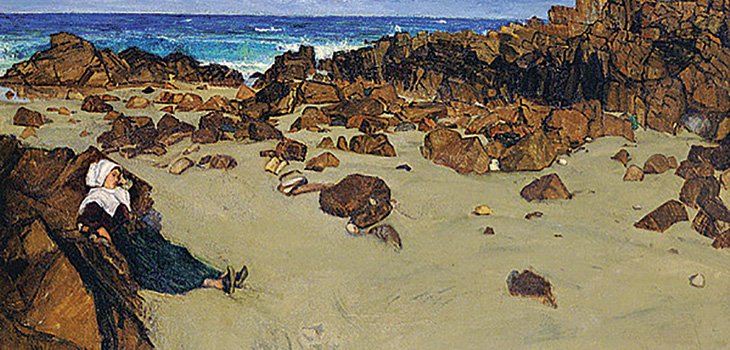
James McNeill Whistler at Tate Britain until 27 September
Rothko in Florence at Palazzo Strozzi until 23 August
Reviewed by Stephen Cragg KC
It’s always useful for an art reviewer in a lawyers’ magazine to be able to draw on a court case involving the artist, and the most famous art case of all is that involving James McNeill Whistler and critic John Ruskin.
More on that later. The Whistler exhibition at Tate Britain is an elegantly arranged show that covers the artist’s life and work in traditionally chronological fashion. Whistler was an American artist who came to Britain at the age of 23 and, throughout the rest of his life, challenged artistic conventions across multiple genres. He was variously a prolific painter of society portraits, a devotee of Japanese and Chinese art, a friend of the Impressionists – who invited him to exhibit at their first Paris exhibition in 1874 – and a producer of exquisite etchings and drawings of cities across Europe, most notably Venice.
The current exhibition reflects the minimalist aesthetic with which Whistler himself chose to present his work. It also invites broader reflection on a long-standing debate in art history: when is a work of art finished, and who decides – the artist or the viewer? It was of course a criticism faced by the Impressionists as they rebelled against the formalism of mid-19th century art. Whistler played knowingly with this ambiguity, often scraping back layers of wet paint to keep the surface looking thin and immediate. With the portrait of Miss Cicely Alexander, for instance, he relished the reaction of critics to what even he regarded as an unfinished painting.
Whistler also moved decisively away from the realism of artists like Courbet, holding firmly to the view that the artist’s task was to create standalone aesthetic beauty rather than simply to mirror nature. His paintings of rivers, bridges and mist capture a quality of atmosphere that would later be pursued – in a different register – by Monet in his famous London series. Like the Impressionists, Whistler drew inspiration from the dramatic brushwork of 17th-century masters such as Rembrandt, deploying a variety of brush sizes to achieve painterly effects that emphasised the physical act of mark-making. Though invited to participate in the Impressionists’ first group exhibition in Paris in 1874, he ultimately declined – yet much of his work resonates deeply with Impressionist concerns: the primacy of sensation, the expressive potential of paint texture, and the rendering of light and atmosphere over literal description.
He is perhaps equally famous for his series of ‘Nocturnes’: atmospheric river scenes, particularly of the Thames in London, rendered in a hazy, impressionistic manner that led many observers to question whether the formless works could count as art at all. It was this line of criticism which led to the celebrated legal dispute with Ruskin, who described one of Whistler’s Nocturnes from 1875, depicting fireworks over the Thames, as ‘flinging a pot of paint in the public’s face’. Whistler sued for libel, with the two-day case at the Old Bailey in 1878 setting the scene for a kind of performance piece, where Whistler’s ‘art for art’s sake’ competed with Ruskin’s view that an artist had a sacred duty to reflect the beauty of nature. Answering in cross examination that a Nocturne could take him two days to paint he responded to the next question as to whether that could be worth the 200 guineas asking price by referring to a lifetime’s knowledge which preceded the painting. Whistler won the case but received only a farthing in damages – a pyrrhic victory that left him essentially bankrupt, because of legal fees (maybe he should have considered a conditional fee agreement).
Following this financial ruin, Whistler led a nomadic existence across Europe, producing intimate, small-scale works depicting ordinary people and modest landscapes, before returning to London in the later part of his life to produce a series of moody, sensuous society portraits.
This is a rich and rewarding exhibition, making a strong case for Whistler’s central place in the story of modern art – not merely as an eccentric transatlantic provocateur, but as a serious and original artist whose innovations anticipated much that followed.
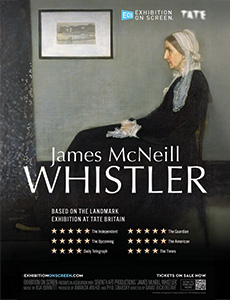
Exhibition on Screen: in cinemas from 15 September: Based on the landmark exhibition at Tate Britain, Exhibition on Screen brings Whistler’s works and the story behind them to cinemas around the globe from 15 September. Directed by David Bickerstaff. 90 mins.
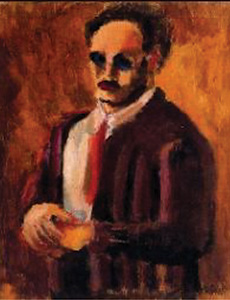
If you happen to find yourself in Tuscany for the summer, then it is well worth spending a cool hour or two at the ‘Rothko in Florence’ exhibition (until 23 August 2026) showing at the Palazzo Strozzi. The exhibition has over 70 works garnered from around the world and features Mark Rothko’s work from the 1930s through to his famous colour block paintings of the 1950s and 1960s.
The exhibition specifically focuses on Rothko’s connection with Florence and his deep interest in the colours and forms of Renaissance art which influenced his famous paintings. Rothko was a troubled man and the exhibition tracks his use of yellows and reds, to blues and greens and finally blacks and greys before he took his own life in 1970. It is also worthwhile scooting across town to the Museo di San Marco, where the work of Fra Angelico deeply inspired Rothko, and where some of Rothko’s paintings have been juxtaposed with Fra Angelico’s 15th century frescoes in the monks’ cells of the museum.
I can guarantee that you will never look at Rothko’s paintings the same way again, having seen them exhibited alongside these truly exquisite masterpieces. You can also get a very good Fra Angelico mug in the gift shop.

It’s always useful for an art reviewer in a lawyers’ magazine to be able to draw on a court case involving the artist, and the most famous art case of all is that involving James McNeill Whistler and critic John Ruskin.
More on that later. The Whistler exhibition at Tate Britain is an elegantly arranged show that covers the artist’s life and work in traditionally chronological fashion. Whistler was an American artist who came to Britain at the age of 23 and, throughout the rest of his life, challenged artistic conventions across multiple genres. He was variously a prolific painter of society portraits, a devotee of Japanese and Chinese art, a friend of the Impressionists – who invited him to exhibit at their first Paris exhibition in 1874 – and a producer of exquisite etchings and drawings of cities across Europe, most notably Venice.
The current exhibition reflects the minimalist aesthetic with which Whistler himself chose to present his work. It also invites broader reflection on a long-standing debate in art history: when is a work of art finished, and who decides – the artist or the viewer? It was of course a criticism faced by the Impressionists as they rebelled against the formalism of mid-19th century art. Whistler played knowingly with this ambiguity, often scraping back layers of wet paint to keep the surface looking thin and immediate. With the portrait of Miss Cicely Alexander, for instance, he relished the reaction of critics to what even he regarded as an unfinished painting.
Whistler also moved decisively away from the realism of artists like Courbet, holding firmly to the view that the artist’s task was to create standalone aesthetic beauty rather than simply to mirror nature. His paintings of rivers, bridges and mist capture a quality of atmosphere that would later be pursued – in a different register – by Monet in his famous London series. Like the Impressionists, Whistler drew inspiration from the dramatic brushwork of 17th-century masters such as Rembrandt, deploying a variety of brush sizes to achieve painterly effects that emphasised the physical act of mark-making. Though invited to participate in the Impressionists’ first group exhibition in Paris in 1874, he ultimately declined – yet much of his work resonates deeply with Impressionist concerns: the primacy of sensation, the expressive potential of paint texture, and the rendering of light and atmosphere over literal description.
He is perhaps equally famous for his series of ‘Nocturnes’: atmospheric river scenes, particularly of the Thames in London, rendered in a hazy, impressionistic manner that led many observers to question whether the formless works could count as art at all. It was this line of criticism which led to the celebrated legal dispute with Ruskin, who described one of Whistler’s Nocturnes from 1875, depicting fireworks over the Thames, as ‘flinging a pot of paint in the public’s face’. Whistler sued for libel, with the two-day case at the Old Bailey in 1878 setting the scene for a kind of performance piece, where Whistler’s ‘art for art’s sake’ competed with Ruskin’s view that an artist had a sacred duty to reflect the beauty of nature. Answering in cross examination that a Nocturne could take him two days to paint he responded to the next question as to whether that could be worth the 200 guineas asking price by referring to a lifetime’s knowledge which preceded the painting. Whistler won the case but received only a farthing in damages – a pyrrhic victory that left him essentially bankrupt, because of legal fees (maybe he should have considered a conditional fee agreement).
Following this financial ruin, Whistler led a nomadic existence across Europe, producing intimate, small-scale works depicting ordinary people and modest landscapes, before returning to London in the later part of his life to produce a series of moody, sensuous society portraits.
This is a rich and rewarding exhibition, making a strong case for Whistler’s central place in the story of modern art – not merely as an eccentric transatlantic provocateur, but as a serious and original artist whose innovations anticipated much that followed.
Exhibition on Screen: in cinemas from 15 September: Based on the landmark exhibition at Tate Britain, Exhibition on Screen brings Whistler’s works and the story behind them to cinemas around the globe from 15 September. Directed by David Bickerstaff. 90 mins.
If you happen to find yourself in Tuscany for the summer, then it is well worth spending a cool hour or two at the ‘Rothko in Florence’ exhibition (until 23 August 2026) showing at the Palazzo Strozzi. The exhibition has over 70 works garnered from around the world and features Mark Rothko’s work from the 1930s through to his famous colour block paintings of the 1950s and 1960s.
The exhibition specifically focuses on Rothko’s connection with Florence and his deep interest in the colours and forms of Renaissance art which influenced his famous paintings. Rothko was a troubled man and the exhibition tracks his use of yellows and reds, to blues and greens and finally blacks and greys before he took his own life in 1970. It is also worthwhile scooting across town to the Museo di San Marco, where the work of Fra Angelico deeply inspired Rothko, and where some of Rothko’s paintings have been juxtaposed with Fra Angelico’s 15th century frescoes in the monks’ cells of the museum.
I can guarantee that you will never look at Rothko’s paintings the same way again, having seen them exhibited alongside these truly exquisite masterpieces. You can also get a very good Fra Angelico mug in the gift shop.
James McNeill Whistler at Tate Britain until 27 September
Rothko in Florence at Palazzo Strozzi until 23 August
Reviewed by Stephen Cragg KC


The Chair of the Bar reports back
Susie Griffin on the admin that keeps barristers from billable work
Clement Cowley, Partner at The Penny Group, explains how global events can influence the performance of pensions and ISAs, and why taking a long-term approach to investing is often the most effective strategy
Mário Barroso, Head of R&D and Method Development at AlphaBiolabs, discusses what family law professionals need to know about hallucinogens, from the main hallucinogenic drugs encountered in family proceedings, to their effects and the testing options available
Harmony Christian Ministries is the latest charity to benefit from a £500 donation from AlphaBiolabs via the company’s Giving Back initiative
By David Green
At the start of her term, Chair of the Bar 2026 Kirsty Brimelow KC set out a series of priorities for the year ahead. One of those priorities was children in the justice system
As the world becomes more digital, Barbara Vinagre Mota examines international research into the mental health consequences of judges’ exposure to graphic and immersive evidence, highlighting the importance of support systems
In an era of patient-centred care and growing concern over misconduct in medical settings, why do women still lack the right to choose women consultants for examination and treatment? Charles Davey investigates
Reviewed by Daniel Barnett
James McNeill Whistler at Tate Britain until 27 September Rothko in Florence at Palazzo Strozzi until 23 August Reviewed by Stephen Cragg KC