*/

The archetypal barrister would probably be a busy, stressed professional, juggling work and family commitments until the end of term before collapsing into a well-earned holiday. Ours is not renowned as a profession which promotes good physical and mental health. The Bar Council’s Working Lives and Wellbeing 2021 report found that over a third of respondents had a low level of overall wellbeing at that time. Over a third indicated they felt down or in low spirits (37%), with 26% indicating that they had low levels of psychological wellbeing. Only 45% of respondents felt they were managing their workload well, and 1 in 3 were not coping well with their workload. A Bar Council working group set up to look at these issues describes the Bar as ‘a high performance and highly pressured profession’.
Perhaps unsurprisingly in the light of these statistics, there is a significant focus now on ‘wellbeing’ at the Bar. The Bar Council states that ‘psychological wellbeing within the profession is rarely spoken about. The Bar Council are seeking to address and support the challenges facing the profession’.
This is a welcome development. However, the wellbeing agenda as commonly understood has the potential inadvertently to exclude the group of current and aspiring barristers who already have lived experience of mental illness, in its various forms. Often, wellbeing initiatives start from an assumption that an individual does not have a mental illness, but they require assistance to be healthier, better able to manage stress, and better able to manage their work-life balance. This approach does not cater for those of us with pre-existing or ongoing mental health problems, where the issues are more complex. According to Mind, one in four people experience a mental health problem of some kind each year in England, so we are a significant group. For us, the ‘wellbeing’ challenge is how to regain or maintain a good level of mental health while working or studying.
Following the inaugural Bar Council Leadership Programme, which took place in the height of the COVID-19 pandemic, it became clear that there was a total absence of peer support and advocacy for barristers with lived experience of mental illness. The Bar Council’s ‘Special Interest Networks’ list includes five networks relating to gender, three relating to race, two relating to sexual orientation and two relating to religion and belief. In relation to disability, the link is to the Bar Council’s own Disability Panel (some but not all individuals with lived experience of mental illness will identify as disabled). There is no network relating to mental health.
To fill this gap, BLEMI (Barristers with Lived Experience of Mental Illness) has now been formed. Our aims are twofold: to provide a mutual support network for our members, and to make the Bar more accessible to people with lived experience of mental illness.
We believe that the first aim itself has the potential to be transformative. Everyone knows of members of the Bar who have experienced mental health problems, ranging significantly in type, duration and severity. However, before BLEMI, there was no forum for those of us with lived experience of mental illness to come together to provide mutual support.
Since our ‘soft’ launch in 2022, we have a group of 20 current and aspiring barristers on the BLEMI email list. We range in seniority from pupils and students to new and established practitioners. Some of us have a history of mental illness in our past; other members are currently experiencing mental health problems. We recognise that we are not mental health professionals and BLEMI is no substitute for appropriate professional support. What BLEMI does provide is a place where experience and support can be shared, by individuals who understand the unique challenges of the Bar.
As our network grows, we are keen to move on to the next stage of our work, seeking to make the Bar a more accessible place for those with lived experience of mental illness. What we all have in common is that we have experienced the stigma and discrimination associated with mental illness in wider society. While our members have in some cases benefitted from the general trend towards greater acceptance and understanding of mental illness in society in recent years, discriminatory and prejudicial practices are still a daily reality for our members. This is what we want to change.
Some of us have been told that the Bar is not the place for us. Others have been passed over for instructions, not just implicitly but sometimes explicitly because of our mental health. It is a common assumption that having a mental illness will prevent a person from being an excellent barrister or managing the pressure of the job. This is not true. BLEMI hopes to increase the visibility of barristers with lived experience of mental illness as a way of busting this myth.
Our website will shortly be launched, and we already have a Twitter account (@BLEMI_UK) and a presence on LinkedIn. We intend to develop our advocacy work, including through events to promote the Bar as somewhere that able students with lived experience of mental illness can find a home.
However, all this work will develop in accordance with the capacities of our members, as we are a self-advocacy group. The priority will remain supporting our members to maintain and improve their own mental health.
It is well known that the COVID-19 pandemic has impacted negatively on the mental health of the population. The January 2023 issue of Counsel magazine carried an anonymous article from a barrister concerned about the wellbeing implications of the wholesale transition to remote hearings in some jurisdictions, which shows every sign of continuing. To the existing potential triggers for mental illness at the Bar (short deadlines, excessive caseloads, high stakes) can now be added the greater potential for social isolation as we achieve the privacy needed for hearings and conferences by shutting ourselves away from the rest of the world.
None of us involved in BLEMI have any easy answers to the challenges faced by barristers with lived experience of mental illness. What we do have is a very clear message that ‘we exist’.
There have always been people with lived experience of mental illness at the Bar and many of us have been successful in our work.
What we hope to change is that those people can come together to support each other and work for a more inclusive future for this profession, alongside all the other networks doing vital work in relation to the full range of protected characteristics.
Membership of BLEMI is open to any current or aspiring barrister. Please contact us by emailing our current Chair at Steve.Broach@39essex.com to discuss getting involved in our work and to join our email and WhatsApp support groups.
The Bar Council’s Working Lives and Wellbeing 2021 report: a report on the condition and progress of barristers’ wellbeing, taken from the findings of the Barristers’ Working Lives survey 2021 is available here.
‘How common are mental health problems?’ Mind.
‘Downsides of remote hearings’, Anonymous, Counsel January 2023.
Bar Council support for barristers: Equality, diversity and inclusion.

Membership of BLEMI is open to any current or aspiring barrister. Please email: Steve.Broach@39essex.com to discuss getting involved in BLEMI’s work and to join its email and WhatsApp support groups. A website will be launching soon. Twitter: @BLEMI_UK
Further information and sources of support
See also the wellbeing portal at www.wellbeingatthebar.org.uk

Steve Broach is a public law barrister at 39 Essex Chambers. He has a wide practice covering all aspects of public law, with a specialism in children’s rights and disability rights. As a discrimination specialist, he is a member of the EHRC A Panel of counsel.
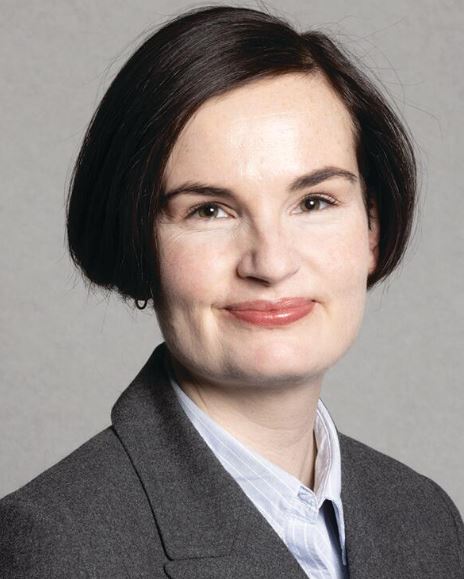
Alice Irving is a barrister at Doughty Street Chambers, with a broad civil and public law practice. She specialises in education, social care and housing law, with a particular emphasis on the rights of individuals with disabilities.
The archetypal barrister would probably be a busy, stressed professional, juggling work and family commitments until the end of term before collapsing into a well-earned holiday. Ours is not renowned as a profession which promotes good physical and mental health. The Bar Council’s Working Lives and Wellbeing 2021 report found that over a third of respondents had a low level of overall wellbeing at that time. Over a third indicated they felt down or in low spirits (37%), with 26% indicating that they had low levels of psychological wellbeing. Only 45% of respondents felt they were managing their workload well, and 1 in 3 were not coping well with their workload. A Bar Council working group set up to look at these issues describes the Bar as ‘a high performance and highly pressured profession’.
Perhaps unsurprisingly in the light of these statistics, there is a significant focus now on ‘wellbeing’ at the Bar. The Bar Council states that ‘psychological wellbeing within the profession is rarely spoken about. The Bar Council are seeking to address and support the challenges facing the profession’.
This is a welcome development. However, the wellbeing agenda as commonly understood has the potential inadvertently to exclude the group of current and aspiring barristers who already have lived experience of mental illness, in its various forms. Often, wellbeing initiatives start from an assumption that an individual does not have a mental illness, but they require assistance to be healthier, better able to manage stress, and better able to manage their work-life balance. This approach does not cater for those of us with pre-existing or ongoing mental health problems, where the issues are more complex. According to Mind, one in four people experience a mental health problem of some kind each year in England, so we are a significant group. For us, the ‘wellbeing’ challenge is how to regain or maintain a good level of mental health while working or studying.
Following the inaugural Bar Council Leadership Programme, which took place in the height of the COVID-19 pandemic, it became clear that there was a total absence of peer support and advocacy for barristers with lived experience of mental illness. The Bar Council’s ‘Special Interest Networks’ list includes five networks relating to gender, three relating to race, two relating to sexual orientation and two relating to religion and belief. In relation to disability, the link is to the Bar Council’s own Disability Panel (some but not all individuals with lived experience of mental illness will identify as disabled). There is no network relating to mental health.
To fill this gap, BLEMI (Barristers with Lived Experience of Mental Illness) has now been formed. Our aims are twofold: to provide a mutual support network for our members, and to make the Bar more accessible to people with lived experience of mental illness.
We believe that the first aim itself has the potential to be transformative. Everyone knows of members of the Bar who have experienced mental health problems, ranging significantly in type, duration and severity. However, before BLEMI, there was no forum for those of us with lived experience of mental illness to come together to provide mutual support.
Since our ‘soft’ launch in 2022, we have a group of 20 current and aspiring barristers on the BLEMI email list. We range in seniority from pupils and students to new and established practitioners. Some of us have a history of mental illness in our past; other members are currently experiencing mental health problems. We recognise that we are not mental health professionals and BLEMI is no substitute for appropriate professional support. What BLEMI does provide is a place where experience and support can be shared, by individuals who understand the unique challenges of the Bar.
As our network grows, we are keen to move on to the next stage of our work, seeking to make the Bar a more accessible place for those with lived experience of mental illness. What we all have in common is that we have experienced the stigma and discrimination associated with mental illness in wider society. While our members have in some cases benefitted from the general trend towards greater acceptance and understanding of mental illness in society in recent years, discriminatory and prejudicial practices are still a daily reality for our members. This is what we want to change.
Some of us have been told that the Bar is not the place for us. Others have been passed over for instructions, not just implicitly but sometimes explicitly because of our mental health. It is a common assumption that having a mental illness will prevent a person from being an excellent barrister or managing the pressure of the job. This is not true. BLEMI hopes to increase the visibility of barristers with lived experience of mental illness as a way of busting this myth.
Our website will shortly be launched, and we already have a Twitter account (@BLEMI_UK) and a presence on LinkedIn. We intend to develop our advocacy work, including through events to promote the Bar as somewhere that able students with lived experience of mental illness can find a home.
However, all this work will develop in accordance with the capacities of our members, as we are a self-advocacy group. The priority will remain supporting our members to maintain and improve their own mental health.
It is well known that the COVID-19 pandemic has impacted negatively on the mental health of the population. The January 2023 issue of Counsel magazine carried an anonymous article from a barrister concerned about the wellbeing implications of the wholesale transition to remote hearings in some jurisdictions, which shows every sign of continuing. To the existing potential triggers for mental illness at the Bar (short deadlines, excessive caseloads, high stakes) can now be added the greater potential for social isolation as we achieve the privacy needed for hearings and conferences by shutting ourselves away from the rest of the world.
None of us involved in BLEMI have any easy answers to the challenges faced by barristers with lived experience of mental illness. What we do have is a very clear message that ‘we exist’.
There have always been people with lived experience of mental illness at the Bar and many of us have been successful in our work.
What we hope to change is that those people can come together to support each other and work for a more inclusive future for this profession, alongside all the other networks doing vital work in relation to the full range of protected characteristics.
Membership of BLEMI is open to any current or aspiring barrister. Please contact us by emailing our current Chair at Steve.Broach@39essex.com to discuss getting involved in our work and to join our email and WhatsApp support groups.
The Bar Council’s Working Lives and Wellbeing 2021 report: a report on the condition and progress of barristers’ wellbeing, taken from the findings of the Barristers’ Working Lives survey 2021 is available here.
‘How common are mental health problems?’ Mind.
‘Downsides of remote hearings’, Anonymous, Counsel January 2023.
Bar Council support for barristers: Equality, diversity and inclusion.
Membership of BLEMI is open to any current or aspiring barrister. Please email: Steve.Broach@39essex.com to discuss getting involved in BLEMI’s work and to join its email and WhatsApp support groups. A website will be launching soon. Twitter: @BLEMI_UK
Further information and sources of support
See also the wellbeing portal at www.wellbeingatthebar.org.uk


The Chair of the Bar reports back
Susie Griffin on the admin that keeps barristers from billable work
Clement Cowley, Partner at The Penny Group, explains how global events can influence the performance of pensions and ISAs, and why taking a long-term approach to investing is often the most effective strategy
Mário Barroso, Head of R&D and Method Development at AlphaBiolabs, discusses what family law professionals need to know about hallucinogens, from the main hallucinogenic drugs encountered in family proceedings, to their effects and the testing options available
Harmony Christian Ministries is the latest charity to benefit from a £500 donation from AlphaBiolabs via the company’s Giving Back initiative
By David Green
At the start of her term, Chair of the Bar 2026 Kirsty Brimelow KC set out a series of priorities for the year ahead. One of those priorities was children in the justice system
As the world becomes more digital, Barbara Vinagre Mota examines international research into the mental health consequences of judges’ exposure to graphic and immersive evidence, highlighting the importance of support systems
In an era of patient-centred care and growing concern over misconduct in medical settings, why do women still lack the right to choose women consultants for examination and treatment? Charles Davey investigates
Reviewed by Daniel Barnett
James McNeill Whistler at Tate Britain until 27 September Rothko in Florence at Palazzo Strozzi until 23 August Reviewed by Stephen Cragg KC