*/
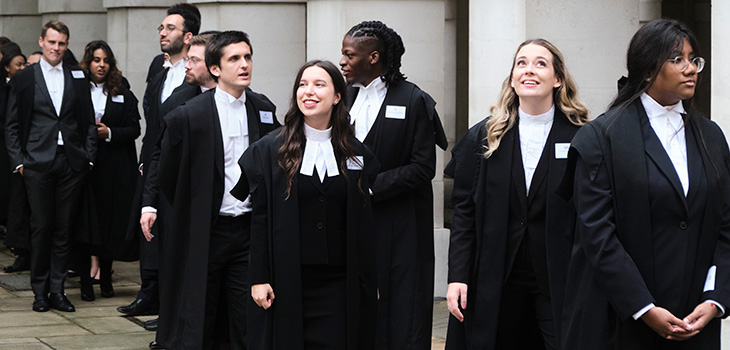
‘I am no longer accepting the things I cannot change. I am changing the things I cannot accept.’ Angela Davis
The legal profession is one of the most prestigious and challenging careers that a person can pursue. It demands not only academic excellence but also a high degree of professionalism, integrity, and advocacy skills. However, the Bar has traditionally been perceived as an elitist and exclusive institution, where only a few privileged individuals could access its privileges and rewards. This perception has contributed to the underrepresentation of certain groups, such as women, people of colour, people with disabilities, LGBTQ+ individuals, and those from lower socio-economic backgrounds.
As a barrister from an underrepresented group, I can attest to the challenges and opportunities that come with pursuing a career at the Bar. I have experienced first-hand the biases and stereotypes that some members of the profession hold against people who do not fit the traditional mould of a barrister. However, I have also witnessed the incredible support, mentorship, and camaraderie that exists among barristers who are committed to promoting diversity and inclusion at the Bar.
Diversity at the Bar has improved in recent years, thanks to the efforts of various organisations, institutions, and individuals who have recognised the need to address the underrepresentation of certain groups. For example, the Bar Council has established a range of initiatives and programs, such as the Social Mobility Advocacy Programme, the Bar Placement Scheme, and the Diversity and Inclusion Charter, to promote diversity and inclusion across the profession. Similarly, many chambers and law firms have implemented mentoring schemes, scholarships, networks, and awards, to provide opportunities and support for individuals from underrepresented backgrounds.
While women and ethnic minorities have made some progress in entering and advancing within the Bar in recent years, they still face significant challenges in reaching the highest levels of the profession (Diversity at the Bar 2020, Bar Standards Board, January 2021). As of December 2020, only 16.8% of KCs were women and only 9.6% were from minority ethnic groups, compared to 38.2% and 14.1% of non-KC barristers respectively. This disparity reflects not only the legacy of historical discrimination, but also the ongoing barriers that prevent people from diverse backgrounds from accessing and succeeding at the Bar. Some of these barriers include long and unpredictable working hours that conflict with caring responsibilities, a lack of role models and mentors from similar backgrounds in senior positions, and a narrow definition of merit that favours certain skills, experiences and styles over others. To achieve a more diverse and inclusive Bar that reflects and serves society better, these barriers need to be addressed through systemic changes, such as flexible working arrangements, mentoring schemes, diversity training and fairer assessment criteria.
Despite these positive developments, there is still a long way to go to achieve full diversity and inclusion at the Bar, particularly at the King’s Counsel (KC) level. Women and people from ethnic minorities are still underrepresented at the KC level, which limits their access to the most senior and lucrative positions in the profession. This gap is partly due to the historical bias and discrimination that these groups have faced, but also to the structural and cultural barriers that exist within the profession. For example, the long and inflexible working hours, the lack of diversity in the judiciary and the legal profession’s narrow view of meritocracy can deter people from underrepresented backgrounds from pursuing a career at the Bar.
However, I firmly believe that the law is for everyone, and that every person, regardless of their background or identity, can excel as a barrister. The key is to be determined, resilient, and proactive in seeking out opportunities, building networks, and challenging the status quo. Here are some practical tips for students who are seeking a career at the Bar:
To sum up, the law is for everyone, and the Bar should reflect and celebrate the diversity and inclusivity of society. However, some groups still face barriers and challenges in pursuing a career at the Bar, such as discrimination, bias, or lack of support. Therefore, it is important to seek out opportunities and support networks that can help them overcome these obstacles.
As a barrister from an underrepresented group, I have witnessed the power and potential of diversity and inclusion in the profession. For instance, I have worked on cases involving human rights, inquests, and public inquiry law, where I have used my background, experiences, and values to relate to my clients, colleagues, and judges, and to advocate for causes that I care about. I am optimistic about the future of the Bar and its diversity and inclusion. I encourage every student who is considering a career at the Bar to embrace their aspirations, their values, and their identity, and to pursue their goals with passion, resilience, and integrity. Together, we can make the Bar a more diverse, inclusive, and representative institution for everyone.

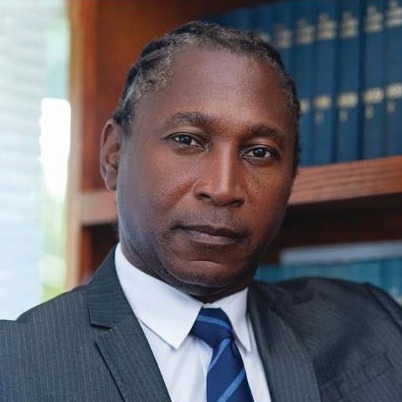
Professor Leslie Thomas KC is is an award-winning human rights/civil liberties barrister and former Joint Head of Garden Court Chambers and head of JC Legal Solutions in the Caribbean. In 2020 Leslie became Professor of Law at Gresham College and visiting Professor of Law at Goldsmiths Law School, University of London. He is a Bencher and advocacy trainer for the Inner Temple. Leslie is a member of the Bar Standards Board for England and Wales, sits on the BSB’s Race Equality Taskforce and is the Chair of the Equality Diversity and Inclusion sub-committee for the Inner Temple.
‘I am no longer accepting the things I cannot change. I am changing the things I cannot accept.’ Angela Davis
The legal profession is one of the most prestigious and challenging careers that a person can pursue. It demands not only academic excellence but also a high degree of professionalism, integrity, and advocacy skills. However, the Bar has traditionally been perceived as an elitist and exclusive institution, where only a few privileged individuals could access its privileges and rewards. This perception has contributed to the underrepresentation of certain groups, such as women, people of colour, people with disabilities, LGBTQ+ individuals, and those from lower socio-economic backgrounds.
As a barrister from an underrepresented group, I can attest to the challenges and opportunities that come with pursuing a career at the Bar. I have experienced first-hand the biases and stereotypes that some members of the profession hold against people who do not fit the traditional mould of a barrister. However, I have also witnessed the incredible support, mentorship, and camaraderie that exists among barristers who are committed to promoting diversity and inclusion at the Bar.
Diversity at the Bar has improved in recent years, thanks to the efforts of various organisations, institutions, and individuals who have recognised the need to address the underrepresentation of certain groups. For example, the Bar Council has established a range of initiatives and programs, such as the Social Mobility Advocacy Programme, the Bar Placement Scheme, and the Diversity and Inclusion Charter, to promote diversity and inclusion across the profession. Similarly, many chambers and law firms have implemented mentoring schemes, scholarships, networks, and awards, to provide opportunities and support for individuals from underrepresented backgrounds.
While women and ethnic minorities have made some progress in entering and advancing within the Bar in recent years, they still face significant challenges in reaching the highest levels of the profession (Diversity at the Bar 2020, Bar Standards Board, January 2021). As of December 2020, only 16.8% of KCs were women and only 9.6% were from minority ethnic groups, compared to 38.2% and 14.1% of non-KC barristers respectively. This disparity reflects not only the legacy of historical discrimination, but also the ongoing barriers that prevent people from diverse backgrounds from accessing and succeeding at the Bar. Some of these barriers include long and unpredictable working hours that conflict with caring responsibilities, a lack of role models and mentors from similar backgrounds in senior positions, and a narrow definition of merit that favours certain skills, experiences and styles over others. To achieve a more diverse and inclusive Bar that reflects and serves society better, these barriers need to be addressed through systemic changes, such as flexible working arrangements, mentoring schemes, diversity training and fairer assessment criteria.
Despite these positive developments, there is still a long way to go to achieve full diversity and inclusion at the Bar, particularly at the King’s Counsel (KC) level. Women and people from ethnic minorities are still underrepresented at the KC level, which limits their access to the most senior and lucrative positions in the profession. This gap is partly due to the historical bias and discrimination that these groups have faced, but also to the structural and cultural barriers that exist within the profession. For example, the long and inflexible working hours, the lack of diversity in the judiciary and the legal profession’s narrow view of meritocracy can deter people from underrepresented backgrounds from pursuing a career at the Bar.
However, I firmly believe that the law is for everyone, and that every person, regardless of their background or identity, can excel as a barrister. The key is to be determined, resilient, and proactive in seeking out opportunities, building networks, and challenging the status quo. Here are some practical tips for students who are seeking a career at the Bar:
To sum up, the law is for everyone, and the Bar should reflect and celebrate the diversity and inclusivity of society. However, some groups still face barriers and challenges in pursuing a career at the Bar, such as discrimination, bias, or lack of support. Therefore, it is important to seek out opportunities and support networks that can help them overcome these obstacles.
As a barrister from an underrepresented group, I have witnessed the power and potential of diversity and inclusion in the profession. For instance, I have worked on cases involving human rights, inquests, and public inquiry law, where I have used my background, experiences, and values to relate to my clients, colleagues, and judges, and to advocate for causes that I care about. I am optimistic about the future of the Bar and its diversity and inclusion. I encourage every student who is considering a career at the Bar to embrace their aspirations, their values, and their identity, and to pursue their goals with passion, resilience, and integrity. Together, we can make the Bar a more diverse, inclusive, and representative institution for everyone.

The Chair of the Bar reports back
Susie Griffin on the admin that keeps barristers from billable work
Clement Cowley, Partner at The Penny Group, explains how global events can influence the performance of pensions and ISAs, and why taking a long-term approach to investing is often the most effective strategy
Mário Barroso, Head of R&D and Method Development at AlphaBiolabs, discusses what family law professionals need to know about hallucinogens, from the main hallucinogenic drugs encountered in family proceedings, to their effects and the testing options available
Harmony Christian Ministries is the latest charity to benefit from a £500 donation from AlphaBiolabs via the company’s Giving Back initiative
By David Green

The golden age of advocacy? David Langwallner pays homage to the filmic if contentious barrister Sir Edward Carson and some of his contemporaries
Leah Arthur, a pupil, and her second seat supervisor, John Goss, share their perspectives on building a productive pupil-supervisor relationship
Henry Fingerhut outlines what the Bar Standards Board AI guidance means for early career barristers
The Ministry of Justice will match-fund up to 100 criminal pupillages, with grants available to criminal chambers across England and Wales. Similar to the COIC scheme, the grants will match-fund pupillages additional to those otherwise offered without government funding
Not yet, says Jacob Turner. Regulation, unlike the technology itself, is a domain the legal profession can still control