*/
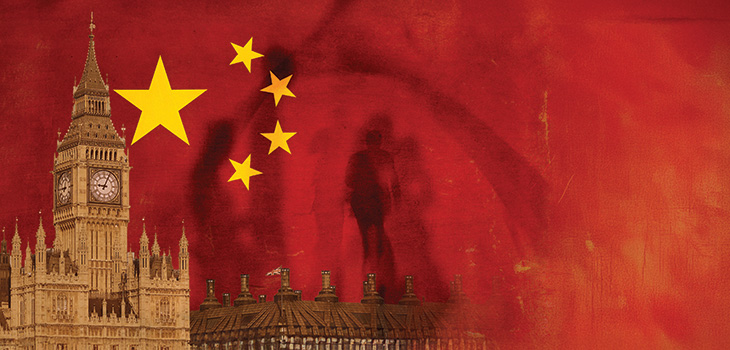
From official secrets to national security... In the context of recent Chinese ‘spy’ cases, Jo Morris analyses the evolution of the law governing espionage in protecting the United Kingdom and its political process
One might think that Chinese espionage stalks British politics. The arrest of three political advisers in March, later released on bail, on suspicion of spying for China has invigorated concerns about malign influences upon our polity. This recent allegation involves former Welsh government special adviser David Taylor, along with Matthew Aplin, former Labour press officer, and Steve Jones, former Welsh government special adviser. Taylor is married to East Kilbride and Strathaven MP Joani Reid, who made clear she is not part of the police investigation and suspended herself from the Labour Party whip until internal investigations were concluded.
This is only the latest in a long pattern of similar cases. In June, two dual Chinese-British nationals, Border Force officer and former UK police officer Peter Wai and his ‘handler’ Bill Yuen, office manager of the Hong Kong Economic and Trade Office in London and former Hong Kong police officer, were jailed for spying upon the Hong Kong diaspora in the UK. Meanwhile, the prosecution of Christopher Cash, former parliamentary researcher, and teacher Christopher Berry, who both denied charges of spying for China, collapsed in autumn 2025.
Espionage is, of course, a routine feature in international relations. It is not always hostile in character, but it can be and we cannot ignore the risk. To that end, the law has evolved the better to protect the realm.
The difficulty with the prosecutions of Cash and Berry was not that it was wrong in principle, but that the law governing espionage at that time was outdated. The charges were brought under the Official Secrets Act 1911 (OSA 1911), a statute drafted to address a different strategic environment. Under that Act, it was necessary to show that the information obtained or communicated was ‘useful to an enemy’.
The meaning of ‘enemy’ had been considered in 2024 in the trial of UK-based Bulgarian nationals charged with spying for Russia (BFZ [Ivanova] & Ors). The court held that the term could extend to any State which presently poses ‘an active threat to the UK’s national security’. This could have included China. Government officials stopped short of describing China as such a threat. Without that essential evidence, the prosecutions of Cash and Berry fell.
Since then, the National Security Act 2023 (NSA 2023) has come into force. The Act reforms the response of the criminal law to the threats to the UK, recognising that modern espionage is frequently conducted by states that are rivals but not formal enemies. The concept of ‘enemy’ has been replaced with a ‘foreign power condition’. The Crown need only show that the conduct alleged is carried out for the benefit, or the intended benefit of, a foreign state.
There is no requirement that the state be hostile to the UK. ‘Foreign power’ would capture all states and their agencies, including friendly ones. The conduct must be shown to be prejudicial to the safety or interests of the UK, so ordinary cooperation between allies would not trigger the offence. Intelligence cooperation arrangements are also protected, including those within the Five Eyes partnership.
The Act also introduces an objective test of knowledge. The foreign power condition may be satisfied where a person knows, or ‘ought reasonably to know’ that their conduct is carried out for or on behalf of a foreign power. This prevents suspects from avoiding liability by asserting lack of actual knowledge where the connection would be obvious to a reasonable person.
Furthermore, the new law prohibits covert influence upon our political process. Under s 13 it is an offence to engage in conduct intended to influence political processes in the UK, if the foreign power condition is met and the link is not declared. This reflects the reality that modern intelligence services operate through layers of intermediaries, such as lobbyists, academics and cultural organisations. Such actors will not be able to rely upon deliberate ignorance if the surrounding circumstances suggest a connection to a foreign power. This could extend to political lobby activities funded by foreign governments where the relationship is concealed.
This is not semantics. This will fundamentally change the way cases are presented. A prosecution will no longer be impeded by questions of foreign policy. The action against Cash and Berry fell because the government balked at declaring China an enemy. The status of the foreign state is now irrelevant. The emphasis is upon the conduct of the defendant. Instead of inviting the jury to determine whether a foreign state is sufficiently hostile to the UK, the Crown may rely upon the existence of a foreign power, the flow of information, the provision of benefit and the intention with which the acts were performed.
The practical effect can already be seen. Allegations relating to the monitoring of the Hong Kong diaspora, for instance, do not concern the theft of defence classified material. They concern surveillance, information gathering and the risk of influence beyond the territorial limits of the state said to be directing the activity. Under the 1911 Act, such conduct sat uneasily with the definition of ‘useful to an enemy’. Now it is captured, provided the necessary connection to a foreign power can be shown.
A similar analysis applies to lobbying and political activity. Governments seek to advance their interests through political actors, think tanks and public discourse within the UK and without. The Act does not criminalise this activity where it is conducted openly, but it does address the concealed exercise of influence where the true source or funding is obscured.
The new law does not seek to eliminate foreign influence in British public life, but to ensure that it is exercised with transparency and properly regulated. Part 4 of the NSA 2023 introduces the Foreign Influence Registration Scheme which will require those carrying out political influence activities to declare that relationship. A useful illustration is provided by the case of Christine Lee. In 2022, MI5 distributed an interference alert to Parliament after the lawyer’s alleged links to the Chinese Communist Party had been discovered. Lee was never prosecuted, and has always categorically denied the allegations against her. Most of the alleged conduct amounted only to donations to current and aspiring MPs and meetings with parliamentarians. The concern lay not in the conduct of Lee, but in her links to the Chinese State and the opacity surrounding it. This was not then unlawful because of the shortcomings of the OSA 1911. It is this mischief that the NSA 2023 seeks to remedy: not by prohibiting political engagement, but by requiring it be done openly and subject to scrutiny rather than through concealed influence.
Espionage will always shadow the corridors of power. What matters is whether the law can recognise it and respond. By abandoning outdated language, the NSA 2023 arms the UK to defend itself in a world where our enemies do not wear uniforms. The law has finally caught up and can deal properly with those who serve foreign powers.

One might think that Chinese espionage stalks British politics. The arrest of three political advisers in March, later released on bail, on suspicion of spying for China has invigorated concerns about malign influences upon our polity. This recent allegation involves former Welsh government special adviser David Taylor, along with Matthew Aplin, former Labour press officer, and Steve Jones, former Welsh government special adviser. Taylor is married to East Kilbride and Strathaven MP Joani Reid, who made clear she is not part of the police investigation and suspended herself from the Labour Party whip until internal investigations were concluded.
This is only the latest in a long pattern of similar cases. In June, two dual Chinese-British nationals, Border Force officer and former UK police officer Peter Wai and his ‘handler’ Bill Yuen, office manager of the Hong Kong Economic and Trade Office in London and former Hong Kong police officer, were jailed for spying upon the Hong Kong diaspora in the UK. Meanwhile, the prosecution of Christopher Cash, former parliamentary researcher, and teacher Christopher Berry, who both denied charges of spying for China, collapsed in autumn 2025.
Espionage is, of course, a routine feature in international relations. It is not always hostile in character, but it can be and we cannot ignore the risk. To that end, the law has evolved the better to protect the realm.
The difficulty with the prosecutions of Cash and Berry was not that it was wrong in principle, but that the law governing espionage at that time was outdated. The charges were brought under the Official Secrets Act 1911 (OSA 1911), a statute drafted to address a different strategic environment. Under that Act, it was necessary to show that the information obtained or communicated was ‘useful to an enemy’.
The meaning of ‘enemy’ had been considered in 2024 in the trial of UK-based Bulgarian nationals charged with spying for Russia (BFZ [Ivanova] & Ors). The court held that the term could extend to any State which presently poses ‘an active threat to the UK’s national security’. This could have included China. Government officials stopped short of describing China as such a threat. Without that essential evidence, the prosecutions of Cash and Berry fell.
Since then, the National Security Act 2023 (NSA 2023) has come into force. The Act reforms the response of the criminal law to the threats to the UK, recognising that modern espionage is frequently conducted by states that are rivals but not formal enemies. The concept of ‘enemy’ has been replaced with a ‘foreign power condition’. The Crown need only show that the conduct alleged is carried out for the benefit, or the intended benefit of, a foreign state.
There is no requirement that the state be hostile to the UK. ‘Foreign power’ would capture all states and their agencies, including friendly ones. The conduct must be shown to be prejudicial to the safety or interests of the UK, so ordinary cooperation between allies would not trigger the offence. Intelligence cooperation arrangements are also protected, including those within the Five Eyes partnership.
The Act also introduces an objective test of knowledge. The foreign power condition may be satisfied where a person knows, or ‘ought reasonably to know’ that their conduct is carried out for or on behalf of a foreign power. This prevents suspects from avoiding liability by asserting lack of actual knowledge where the connection would be obvious to a reasonable person.
Furthermore, the new law prohibits covert influence upon our political process. Under s 13 it is an offence to engage in conduct intended to influence political processes in the UK, if the foreign power condition is met and the link is not declared. This reflects the reality that modern intelligence services operate through layers of intermediaries, such as lobbyists, academics and cultural organisations. Such actors will not be able to rely upon deliberate ignorance if the surrounding circumstances suggest a connection to a foreign power. This could extend to political lobby activities funded by foreign governments where the relationship is concealed.
This is not semantics. This will fundamentally change the way cases are presented. A prosecution will no longer be impeded by questions of foreign policy. The action against Cash and Berry fell because the government balked at declaring China an enemy. The status of the foreign state is now irrelevant. The emphasis is upon the conduct of the defendant. Instead of inviting the jury to determine whether a foreign state is sufficiently hostile to the UK, the Crown may rely upon the existence of a foreign power, the flow of information, the provision of benefit and the intention with which the acts were performed.
The practical effect can already be seen. Allegations relating to the monitoring of the Hong Kong diaspora, for instance, do not concern the theft of defence classified material. They concern surveillance, information gathering and the risk of influence beyond the territorial limits of the state said to be directing the activity. Under the 1911 Act, such conduct sat uneasily with the definition of ‘useful to an enemy’. Now it is captured, provided the necessary connection to a foreign power can be shown.
A similar analysis applies to lobbying and political activity. Governments seek to advance their interests through political actors, think tanks and public discourse within the UK and without. The Act does not criminalise this activity where it is conducted openly, but it does address the concealed exercise of influence where the true source or funding is obscured.
The new law does not seek to eliminate foreign influence in British public life, but to ensure that it is exercised with transparency and properly regulated. Part 4 of the NSA 2023 introduces the Foreign Influence Registration Scheme which will require those carrying out political influence activities to declare that relationship. A useful illustration is provided by the case of Christine Lee. In 2022, MI5 distributed an interference alert to Parliament after the lawyer’s alleged links to the Chinese Communist Party had been discovered. Lee was never prosecuted, and has always categorically denied the allegations against her. Most of the alleged conduct amounted only to donations to current and aspiring MPs and meetings with parliamentarians. The concern lay not in the conduct of Lee, but in her links to the Chinese State and the opacity surrounding it. This was not then unlawful because of the shortcomings of the OSA 1911. It is this mischief that the NSA 2023 seeks to remedy: not by prohibiting political engagement, but by requiring it be done openly and subject to scrutiny rather than through concealed influence.
Espionage will always shadow the corridors of power. What matters is whether the law can recognise it and respond. By abandoning outdated language, the NSA 2023 arms the UK to defend itself in a world where our enemies do not wear uniforms. The law has finally caught up and can deal properly with those who serve foreign powers.
From official secrets to national security... In the context of recent Chinese ‘spy’ cases, Jo Morris analyses the evolution of the law governing espionage in protecting the United Kingdom and its political process

The Chair of the Bar reports back
Susie Griffin on the admin that keeps barristers from billable work
Clement Cowley, Partner at The Penny Group, explains how global events can influence the performance of pensions and ISAs, and why taking a long-term approach to investing is often the most effective strategy
Mário Barroso, Head of R&D and Method Development at AlphaBiolabs, discusses what family law professionals need to know about hallucinogens, from the main hallucinogenic drugs encountered in family proceedings, to their effects and the testing options available
Harmony Christian Ministries is the latest charity to benefit from a £500 donation from AlphaBiolabs via the company’s Giving Back initiative
By David Green

At the start of her term, Chair of the Bar 2026 Kirsty Brimelow KC set out a series of priorities for the year ahead. One of those priorities was children in the justice system
As the world becomes more digital, Barbara Vinagre Mota examines international research into the mental health consequences of judges’ exposure to graphic and immersive evidence, highlighting the importance of support systems
In an era of patient-centred care and growing concern over misconduct in medical settings, why do women still lack the right to choose women consultants for examination and treatment? Charles Davey investigates
Reviewed by Daniel Barnett
James McNeill Whistler at Tate Britain until 27 September Rothko in Florence at Palazzo Strozzi until 23 August Reviewed by Stephen Cragg KC