*/
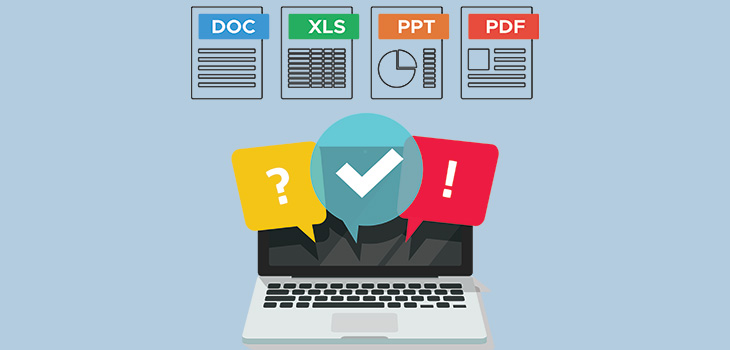
Welcome back to bite-sized top tips – this time, we’re focusing on Outlook. If your inbox feels like it’s exploded and is controlling you, this one’s for you. Since January 2025, I’ve ended each day with fewer than ten emails in my inbox – and often, none. Here’s how you can do it and a few other ways to use Outlook to stay organised:
Create three folders: Action, Waiting For, and Read Later.
As non-case emails come in, if you can deal with them in less than two minutes, do so. If not, file them into one of these folders. Then block out time to deal with each folder. Be ruthless.
Create a folder for each case. Handle any emails that take less than two minutes as they arrive. If they’ll take longer, move them (unread) to the relevant case folder – just drag and drop. Then block out time to deal with the case folder.
At the end of the case, move all the emails (including sent items) to your main case file.
To move a message unread, adjust your settings:
To block out time, use the Create an Appointment function to add it to your diary quickly. The original email (and its attachments) will be attached to the calendar entry – so no need to hunt for it later.
You can also colour-code the appointment using the Categorise function. Delete the appointment once it’s done (you are paying for that data storage!).
If your Outlook syncs with your chambers’ diary management system, create a separate calendar in Outlook to avoid driving the clerks mad. Use the new calendar to schedule deadlines, prep time, and admin tasks.
If you regularly send similar emails (e.g., direct access responses), create an Outlook template to insert your standard wording in just a few clicks.
Undo Send – simple and a GDPR lifesaver. Add a one-minute delay to outgoing emails under the Compose settings.
Working late or want an email sent at a specific time (e.g., when filing a skeleton argument)? Use Schedule Send to choose the date and time. Test it first to ensure your setup sends the email even if your computer is asleep.
Create rules to filter and sort emails automatically. For example, I have rules that move SharePoint notifications into one folder. Try it for specific senders or subjects – it’s a huge time-saver.
You can – and should – delete emails from Outlook. (It’s liberating.)
For case emails, once you’ve moved them from your Outlook folder to your main case folder, delete them from Outlook. For admin emails, move them to a dedicated folder if you need to keep them – otherwise, delete as you go.
In the week between Christmas and New Year, instead of finishing the cheese board, get your mailbox New Year Ready. Move case emails to your main case folder and delete what you can. Sort all your emails (including deleted items) by date and delete anything outside your data retention timeframe. Then sort by size and delete large emails you don’t need. Make sure you’re not paying to store or back up multiple copies of the same thing.
Finally, use Teams for internal comms so your inbox stays focused on external emails.
-(002).jpeg?sfvrsn=931a77b_2)
Elizabeth Bowden is a barrister at College Chambers, Southampton and practises in family finances and civil litigation. Elizabeth is never too far from a spreadsheet and is evangelical about tech.
Welcome back to bite-sized top tips – this time, we’re focusing on Outlook. If your inbox feels like it’s exploded and is controlling you, this one’s for you. Since January 2025, I’ve ended each day with fewer than ten emails in my inbox – and often, none. Here’s how you can do it and a few other ways to use Outlook to stay organised:
Create three folders: Action, Waiting For, and Read Later.
As non-case emails come in, if you can deal with them in less than two minutes, do so. If not, file them into one of these folders. Then block out time to deal with each folder. Be ruthless.
Create a folder for each case. Handle any emails that take less than two minutes as they arrive. If they’ll take longer, move them (unread) to the relevant case folder – just drag and drop. Then block out time to deal with the case folder.
At the end of the case, move all the emails (including sent items) to your main case file.
To move a message unread, adjust your settings:
To block out time, use the Create an Appointment function to add it to your diary quickly. The original email (and its attachments) will be attached to the calendar entry – so no need to hunt for it later.
You can also colour-code the appointment using the Categorise function. Delete the appointment once it’s done (you are paying for that data storage!).
If your Outlook syncs with your chambers’ diary management system, create a separate calendar in Outlook to avoid driving the clerks mad. Use the new calendar to schedule deadlines, prep time, and admin tasks.
If you regularly send similar emails (e.g., direct access responses), create an Outlook template to insert your standard wording in just a few clicks.
Undo Send – simple and a GDPR lifesaver. Add a one-minute delay to outgoing emails under the Compose settings.
Working late or want an email sent at a specific time (e.g., when filing a skeleton argument)? Use Schedule Send to choose the date and time. Test it first to ensure your setup sends the email even if your computer is asleep.
Create rules to filter and sort emails automatically. For example, I have rules that move SharePoint notifications into one folder. Try it for specific senders or subjects – it’s a huge time-saver.
You can – and should – delete emails from Outlook. (It’s liberating.)
For case emails, once you’ve moved them from your Outlook folder to your main case folder, delete them from Outlook. For admin emails, move them to a dedicated folder if you need to keep them – otherwise, delete as you go.
In the week between Christmas and New Year, instead of finishing the cheese board, get your mailbox New Year Ready. Move case emails to your main case folder and delete what you can. Sort all your emails (including deleted items) by date and delete anything outside your data retention timeframe. Then sort by size and delete large emails you don’t need. Make sure you’re not paying to store or back up multiple copies of the same thing.
Finally, use Teams for internal comms so your inbox stays focused on external emails.

The Chair of the Bar reports back
Susie Griffin on the admin that keeps barristers from billable work
Clement Cowley, Partner at The Penny Group, explains how global events can influence the performance of pensions and ISAs, and why taking a long-term approach to investing is often the most effective strategy
Mário Barroso, Head of R&D and Method Development at AlphaBiolabs, discusses what family law professionals need to know about hallucinogens, from the main hallucinogenic drugs encountered in family proceedings, to their effects and the testing options available
Harmony Christian Ministries is the latest charity to benefit from a £500 donation from AlphaBiolabs via the company’s Giving Back initiative
By David Green

At the start of her term, Chair of the Bar 2026 Kirsty Brimelow KC set out a series of priorities for the year ahead. One of those priorities was children in the justice system
As the world becomes more digital, Barbara Vinagre Mota examines international research into the mental health consequences of judges’ exposure to graphic and immersive evidence, highlighting the importance of support systems
In an era of patient-centred care and growing concern over misconduct in medical settings, why do women still lack the right to choose women consultants for examination and treatment? Charles Davey investigates
Reviewed by Daniel Barnett
James McNeill Whistler at Tate Britain until 27 September Rothko in Florence at Palazzo Strozzi until 23 August Reviewed by Stephen Cragg KC