*/

The summer of 2024 represented an important milestone for Cloisters Chambers as we undertook a comprehensive refurbishment project to modernise our facilities and improve the working environment for members and staff alike. The vision was bold: not merely to refresh the physical space, but to create a setting that would support the evolving needs of a dynamic legal practice, anticipate future technological requirements and foster collaboration and wellbeing. While the opportunity to upgrade our space was met with enthusiasm, I was particularly mindful of the need to minimise disruption to daily operations – a delicate balance that required meticulous planning and thoughtful leadership.
A critical component of the project was ensuring early and consistent communication with all members. I issued notifications regarding the planned works four months in advance, allowing ample time to collect feedback and understand individual requirements. Through regular email updates, in-person forums and open-door policies, members and staff were involved at every stage of the project, from the tendering process through to contractor selection and design decisions. This collaborative approach fostered a sense of ownership, reduced anxiety about the unknown and eased the transition, as everyone felt their voices had been heard and their concerns addressed before any physical changes commenced.
Special attention was given to those members most affected by room relocations – whether due to room conversions into hearing rooms, re-purposing for new collaborative spaces or merging offices to create communal breakout areas. I ensured that early consultations were held to address preferences regarding temporary accommodation, accessibility and equipment needs, ensuring suitable arrangements were made during the refurbishment period.
Careful consideration was also given to scheduling. The refurbishment occurred over the summer, coinciding with court recess, when chambers are generally quieter. Recognising that some members would continue working and that the project would spill over to the new term, when members would start to return from their summer vacations, I also secured temporary office spaces in an alternative building within walking distance of our chambers. The building provided shared work areas and dedicated hearing pods, with facilities that enabled focused work, remote hearings in a professional setting and the ability to conduct confidential client consultations. The temporary accommodations, while modest, were thoughtfully equipped – with high-speed internet, ergonomic furniture, and secure access to legal resources – allowing members to maintain their productivity and high standards of client care.
To manage usage of the temporary space efficiently, I also implemented a rota system accessible to all members via a user-friendly online portal. Weekly schedules were distributed, allowing members to indicate their space requirements for the following week, whether for shared workspaces, private hearing rooms, or conference facilities. This system promoted equitable access, transparency and real-time adjustments to cater for any last-minute changes. It also fostered a spirit of collegiality, as members coordinated among themselves to resolve scheduling conflicts and share preferred spaces.
Fully equipped conference rooms in the temporary space also supported members needing to host in-person meetings such as round table meetings or joint settlement meetings, further mitigating the impact on professional activities. Regular and transparent updates were provided through weekly communications with all staff and members, including detailed plans for upcoming works, anticipated noise levels and alternative workspace arrangements. This enabled members to make informed choices about where to work, depending on their circumstances and preferences, and to plan for days when particularly disruptive work was scheduled.
Throughout the four-month project, staff were permitted to work remotely, provided with the necessary hardware, software and support to ensure business continuity. Essential personnel such as me (as COO and refurbishment project manager), our junior clerk and front-of-house administrative assistant remained on site. It was crucial that I was present daily to resolve emerging issues in real time. Projects in historic buildings often encounter unforeseen challenges, including the integration of modern systems like IT/AV equipment and air conditioning, as well as complex plumbing. For example, during installation of new wiring, previously unmapped conduits were discovered, requiring on-the-spot decisions and rapid coordination with external contractors. Another incident involved timely intervention that prevented the loss of a specially adapted door, ensuring accessibility requirements were met. Such hands-on management proved indispensable for maintaining project momentum and preventing delays.
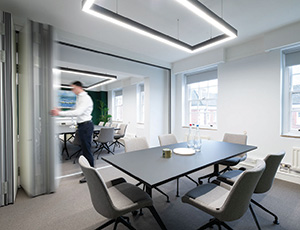
Our refurbishment has been very successful. The building now features upgraded conference rooms with state-of-the-art AV technology capable of supporting hybrid proceedings, soundproofed hearing rooms designed for remote/in-person cases and a communal area fostering interaction among members and staff. Improved kitchen facilities, comfortable staff offices and increased natural light have all contributed to a healthier, more welcoming environment. Members and staff have remarked on the improved atmosphere, which supports both focused work and informal collaboration.
In summary, the effectiveness of the project owed much to proactive communication, strategic scheduling, inclusive planning and consistent transparency. By centering member and staff needs, anticipating challenges and maintaining open lines of communication, we modernised our space without compromising professional standards or collegiality. Any chambers considering similar projects may benefit from these strategies to ensure a smooth and positive transition.
Investing in people – by listening, consulting and responding – proves just as essential as investing in bricks and mortar, and yields benefits that continue long after the dust has settled.
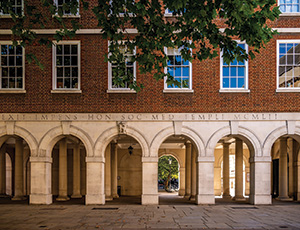

The summer of 2024 represented an important milestone for Cloisters Chambers as we undertook a comprehensive refurbishment project to modernise our facilities and improve the working environment for members and staff alike. The vision was bold: not merely to refresh the physical space, but to create a setting that would support the evolving needs of a dynamic legal practice, anticipate future technological requirements and foster collaboration and wellbeing. While the opportunity to upgrade our space was met with enthusiasm, I was particularly mindful of the need to minimise disruption to daily operations – a delicate balance that required meticulous planning and thoughtful leadership.
A critical component of the project was ensuring early and consistent communication with all members. I issued notifications regarding the planned works four months in advance, allowing ample time to collect feedback and understand individual requirements. Through regular email updates, in-person forums and open-door policies, members and staff were involved at every stage of the project, from the tendering process through to contractor selection and design decisions. This collaborative approach fostered a sense of ownership, reduced anxiety about the unknown and eased the transition, as everyone felt their voices had been heard and their concerns addressed before any physical changes commenced.
Special attention was given to those members most affected by room relocations – whether due to room conversions into hearing rooms, re-purposing for new collaborative spaces or merging offices to create communal breakout areas. I ensured that early consultations were held to address preferences regarding temporary accommodation, accessibility and equipment needs, ensuring suitable arrangements were made during the refurbishment period.
Careful consideration was also given to scheduling. The refurbishment occurred over the summer, coinciding with court recess, when chambers are generally quieter. Recognising that some members would continue working and that the project would spill over to the new term, when members would start to return from their summer vacations, I also secured temporary office spaces in an alternative building within walking distance of our chambers. The building provided shared work areas and dedicated hearing pods, with facilities that enabled focused work, remote hearings in a professional setting and the ability to conduct confidential client consultations. The temporary accommodations, while modest, were thoughtfully equipped – with high-speed internet, ergonomic furniture, and secure access to legal resources – allowing members to maintain their productivity and high standards of client care.
To manage usage of the temporary space efficiently, I also implemented a rota system accessible to all members via a user-friendly online portal. Weekly schedules were distributed, allowing members to indicate their space requirements for the following week, whether for shared workspaces, private hearing rooms, or conference facilities. This system promoted equitable access, transparency and real-time adjustments to cater for any last-minute changes. It also fostered a spirit of collegiality, as members coordinated among themselves to resolve scheduling conflicts and share preferred spaces.
Fully equipped conference rooms in the temporary space also supported members needing to host in-person meetings such as round table meetings or joint settlement meetings, further mitigating the impact on professional activities. Regular and transparent updates were provided through weekly communications with all staff and members, including detailed plans for upcoming works, anticipated noise levels and alternative workspace arrangements. This enabled members to make informed choices about where to work, depending on their circumstances and preferences, and to plan for days when particularly disruptive work was scheduled.
Throughout the four-month project, staff were permitted to work remotely, provided with the necessary hardware, software and support to ensure business continuity. Essential personnel such as me (as COO and refurbishment project manager), our junior clerk and front-of-house administrative assistant remained on site. It was crucial that I was present daily to resolve emerging issues in real time. Projects in historic buildings often encounter unforeseen challenges, including the integration of modern systems like IT/AV equipment and air conditioning, as well as complex plumbing. For example, during installation of new wiring, previously unmapped conduits were discovered, requiring on-the-spot decisions and rapid coordination with external contractors. Another incident involved timely intervention that prevented the loss of a specially adapted door, ensuring accessibility requirements were met. Such hands-on management proved indispensable for maintaining project momentum and preventing delays.
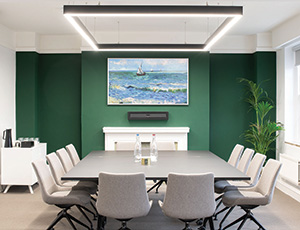
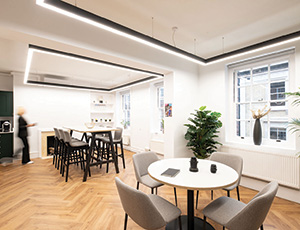
Our refurbishment has been very successful. The building now features upgraded conference rooms with state-of-the-art AV technology capable of supporting hybrid proceedings, soundproofed hearing rooms designed for remote/in-person cases and a communal area fostering interaction among members and staff. Improved kitchen facilities, comfortable staff offices and increased natural light have all contributed to a healthier, more welcoming environment. Members and staff have remarked on the improved atmosphere, which supports both focused work and informal collaboration.
In summary, the effectiveness of the project owed much to proactive communication, strategic scheduling, inclusive planning and consistent transparency. By centering member and staff needs, anticipating challenges and maintaining open lines of communication, we modernised our space without compromising professional standards or collegiality. Any chambers considering similar projects may benefit from these strategies to ensure a smooth and positive transition.
Investing in people – by listening, consulting and responding – proves just as essential as investing in bricks and mortar, and yields benefits that continue long after the dust has settled.

The Chair of the Bar reports back
Susie Griffin on the admin that keeps barristers from billable work
Clement Cowley, Partner at The Penny Group, explains how global events can influence the performance of pensions and ISAs, and why taking a long-term approach to investing is often the most effective strategy
Mário Barroso, Head of R&D and Method Development at AlphaBiolabs, discusses what family law professionals need to know about hallucinogens, from the main hallucinogenic drugs encountered in family proceedings, to their effects and the testing options available
Harmony Christian Ministries is the latest charity to benefit from a £500 donation from AlphaBiolabs via the company’s Giving Back initiative
By David Green
At the start of her term, Chair of the Bar 2026 Kirsty Brimelow KC set out a series of priorities for the year ahead. One of those priorities was children in the justice system
As the world becomes more digital, Barbara Vinagre Mota examines international research into the mental health consequences of judges’ exposure to graphic and immersive evidence, highlighting the importance of support systems
In an era of patient-centred care and growing concern over misconduct in medical settings, why do women still lack the right to choose women consultants for examination and treatment? Charles Davey investigates
Reviewed by Daniel Barnett
James McNeill Whistler at Tate Britain until 27 September Rothko in Florence at Palazzo Strozzi until 23 August Reviewed by Stephen Cragg KC