*/
Stephen Crowne, Chief Executive of the Bar, explains the new Bar Representation Fee and the works that it funds.
I would guess that if you were asked to identify the highlights of your year, renewing your practising certificate wouldn’t even feature on a long-list. But it is vital to protect and safeguard the infrastructure which allows the Bar to continue to practise and develop. We want to make that process as smooth and as easy as we can for you, and to explain clearly what the money is for, and the value it provides.
Most of the income from the Practising Certifi cate Fee (PCF) funds the regulation of the profession primarily through the activities of the independent Bar Standards Board. Some funds the wider work of the Bar Council (which alongside regulatory activities, constitute ‘permitted purposes’). But there are very important aspects of our work – notably representing and promoting the interests of barristers and the Bar as a whole – which cannot, by law, be funded through the PCF. That is why we ask for a voluntary contribution over and above the PCF.
When you receive your Practising Certificate Fee renewal notice later this month, you will see a notable change from last year. Whereas in recent years we have asked members of the Bar to support our representative activities through a voluntary Members’ Services Fee (MSF), this year we are instead asking you to consider paying the new Bar Representation Fee (BRF) which will replace the MSF.
We have been talking to barristers through a programme of focus groups across the country. It is clear from these conversations that a lot of people think that the MSF helps us fund the range of discounts which we offer the Bar. That’s one myth we are keen to dispel, and we clearly need to do a better job of explaining what the fee is actually for. The name change is an important part of that.
It’s true that being part of a collegiate profession should enable you, through our block purchasing power, to access a range of high quality goods and services that you would expect a modern and forward-looking representative body to be in a position to provide. But that commercial activity actually raises money to support our broader representative activities. It is all self-financing and it comes at no cost to the Bar. It is simply one way in which we can provide you with added value and also raise further funds, commercially, to support our representational activities.
The income we generate through the voluntary fee, now the BRF, actually helps us to represent you to Government, to the media and to the wider world. It funds, in whole or in part, our lobbying and press activities, our domestic and international business development both for direct access and traditional referral work; we have set up a Bar Nursery, operate a mentoring service, issue remuneration guidance and support – and that is just a small amount of the work which we do to support your practices and promote e-ffective access to justice.
In order to continue to o- er what we hope are high quality and relevant services, we need your support. We also need your feedback and to hear more from you about how we are doing. We recognise that it is not a one-way street. In return for your support, we also need to be more accountable to you. From this year, you will start to see the BRF logo across publications and materials which your BRF helps to support so that you can see exactly where your money is going. We will ensure that there is a more visible presence for the Bar Council executive team across the Circuits so that you have an opportunity to talk to us in person about the work we are doing. We now publish an annual report which focuses on how we are performing against our
strategic plan and we will continue to be as transparent as possible about our programme of activities and future strategy.
We recognise that it is a time of significant challenges for many parts of the profession, but it is also a time when we need to be in a strong position to maximise any opportunities which present themselves. We recognise that you want a representative body which is on the front foot and providing you with relevant and dynamic services which meet your needs. We are committed to rising to that challenge and we hope that you will support us, through the BRF, to do just that.
Stephen Crowne, Chief Executive of the Bar Council
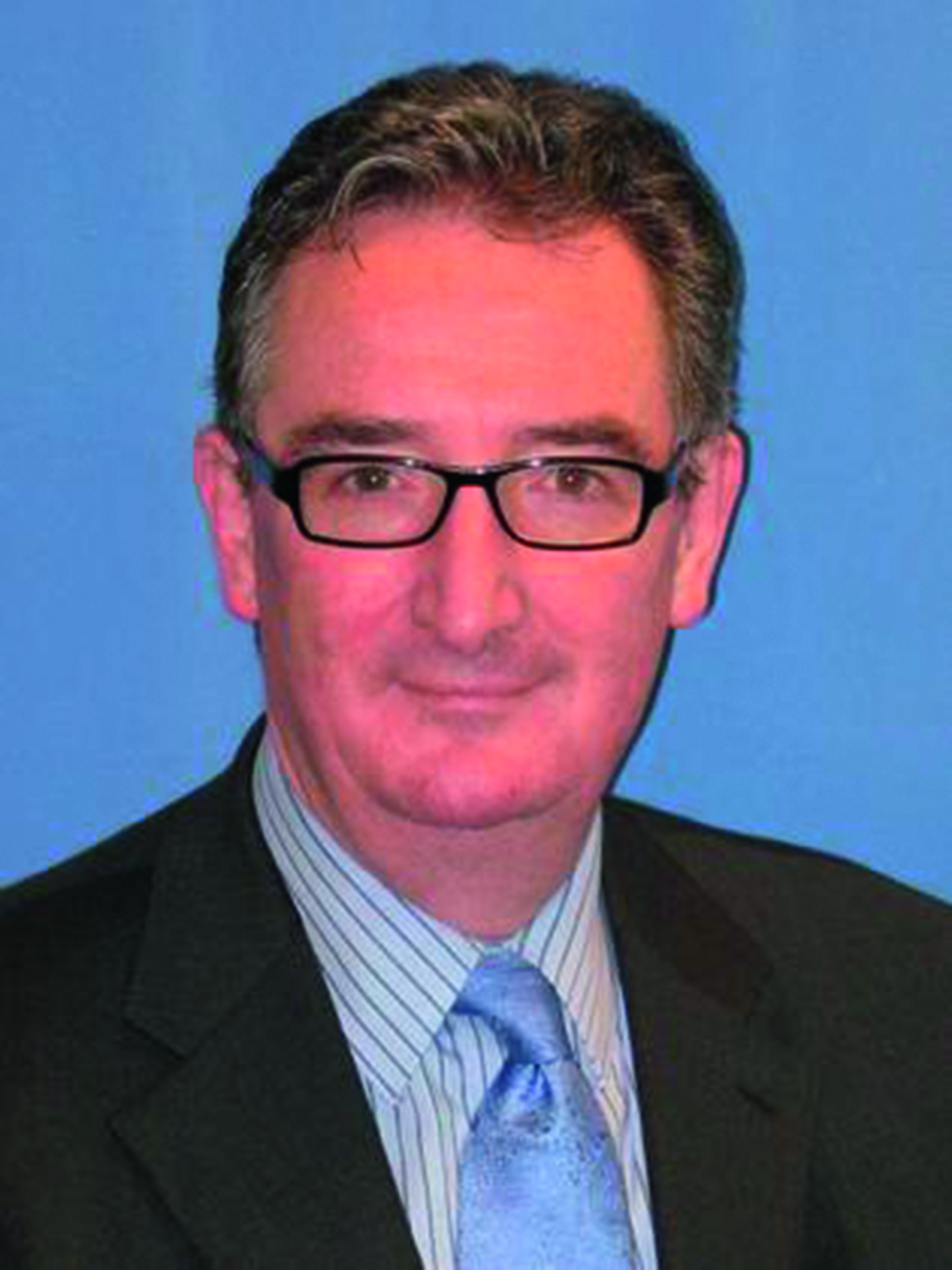
Stephen has been Chief Executive of the Bar Council since June 2013. Before that he spent two years with Cisco, and five years as Chief Executive of BECTA, the UK Government education technology agency.
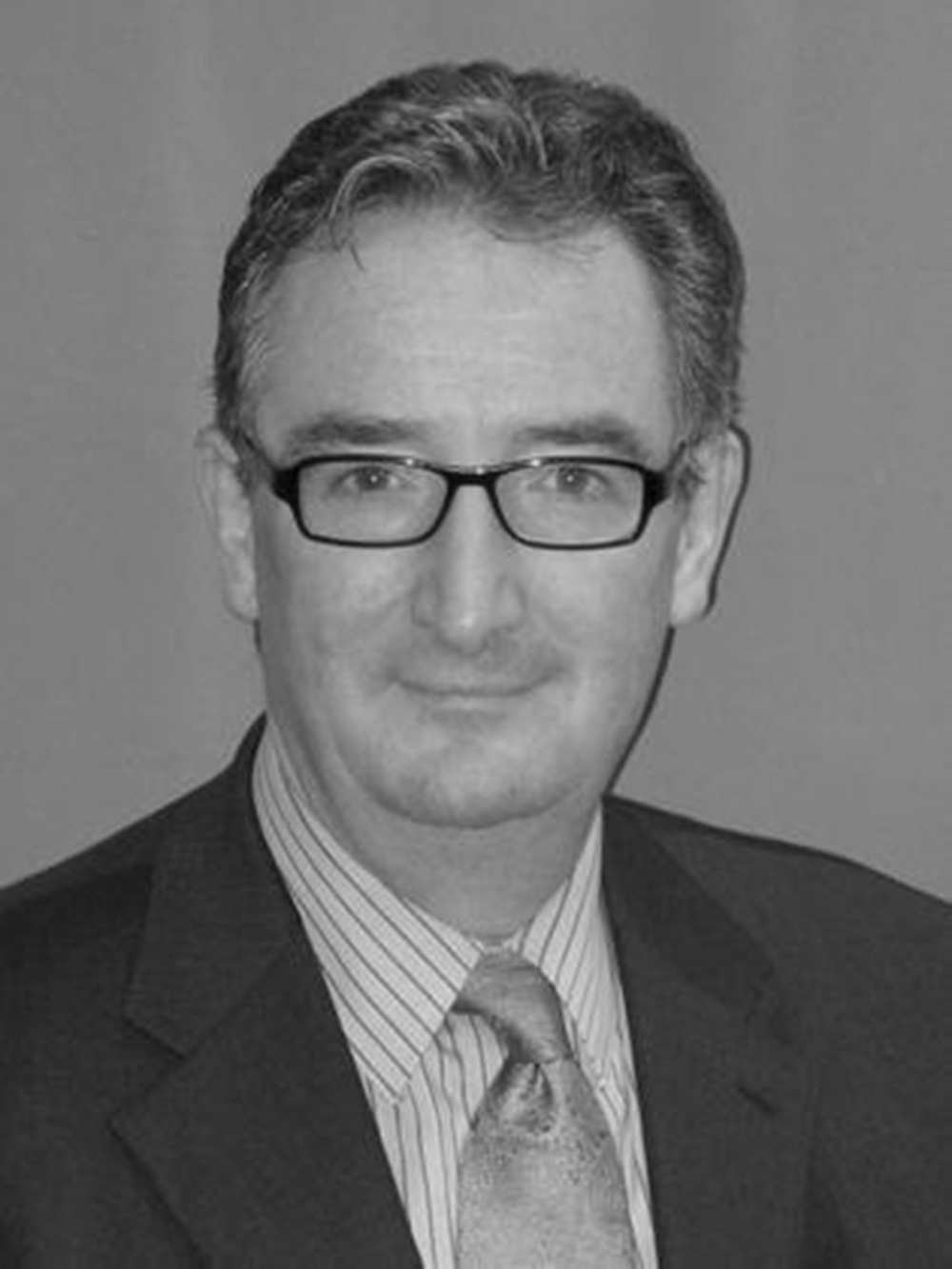
Before joining the Bar Council as Chief Executive in 2013, Stephen held a variety of senior public and private sector posts in education policy, most recently as Chief Executive of BECTA, the UK Government education technology agency and with Cisco, the networking giant.
Most of the income from the Practising Certifi cate Fee (PCF) funds the regulation of the profession primarily through the activities of the independent Bar Standards Board. Some funds the wider work of the Bar Council (which alongside regulatory activities, constitute ‘permitted purposes’). But there are very important aspects of our work – notably representing and promoting the interests of barristers and the Bar as a whole – which cannot, by law, be funded through the PCF. That is why we ask for a voluntary contribution over and above the PCF.
When you receive your Practising Certificate Fee renewal notice later this month, you will see a notable change from last year. Whereas in recent years we have asked members of the Bar to support our representative activities through a voluntary Members’ Services Fee (MSF), this year we are instead asking you to consider paying the new Bar Representation Fee (BRF) which will replace the MSF.
We have been talking to barristers through a programme of focus groups across the country. It is clear from these conversations that a lot of people think that the MSF helps us fund the range of discounts which we offer the Bar. That’s one myth we are keen to dispel, and we clearly need to do a better job of explaining what the fee is actually for. The name change is an important part of that.
It’s true that being part of a collegiate profession should enable you, through our block purchasing power, to access a range of high quality goods and services that you would expect a modern and forward-looking representative body to be in a position to provide. But that commercial activity actually raises money to support our broader representative activities. It is all self-financing and it comes at no cost to the Bar. It is simply one way in which we can provide you with added value and also raise further funds, commercially, to support our representational activities.
The income we generate through the voluntary fee, now the BRF, actually helps us to represent you to Government, to the media and to the wider world. It funds, in whole or in part, our lobbying and press activities, our domestic and international business development both for direct access and traditional referral work; we have set up a Bar Nursery, operate a mentoring service, issue remuneration guidance and support – and that is just a small amount of the work which we do to support your practices and promote e-ffective access to justice.
In order to continue to o- er what we hope are high quality and relevant services, we need your support. We also need your feedback and to hear more from you about how we are doing. We recognise that it is not a one-way street. In return for your support, we also need to be more accountable to you. From this year, you will start to see the BRF logo across publications and materials which your BRF helps to support so that you can see exactly where your money is going. We will ensure that there is a more visible presence for the Bar Council executive team across the Circuits so that you have an opportunity to talk to us in person about the work we are doing. We now publish an annual report which focuses on how we are performing against our
strategic plan and we will continue to be as transparent as possible about our programme of activities and future strategy.
We recognise that it is a time of significant challenges for many parts of the profession, but it is also a time when we need to be in a strong position to maximise any opportunities which present themselves. We recognise that you want a representative body which is on the front foot and providing you with relevant and dynamic services which meet your needs. We are committed to rising to that challenge and we hope that you will support us, through the BRF, to do just that.
Stephen Crowne, Chief Executive of the Bar Council
Stephen Crowne, Chief Executive of the Bar, explains the new Bar Representation Fee and the works that it funds.
I would guess that if you were asked to identify the highlights of your year, renewing your practising certificate wouldn’t even feature on a long-list. But it is vital to protect and safeguard the infrastructure which allows the Bar to continue to practise and develop. We want to make that process as smooth and as easy as we can for you, and to explain clearly what the money is for, and the value it provides.

The Chair of the Bar reports back
Susie Griffin on the admin that keeps barristers from billable work
Clement Cowley, Partner at The Penny Group, explains how global events can influence the performance of pensions and ISAs, and why taking a long-term approach to investing is often the most effective strategy
Mário Barroso, Head of R&D and Method Development at AlphaBiolabs, discusses what family law professionals need to know about hallucinogens, from the main hallucinogenic drugs encountered in family proceedings, to their effects and the testing options available
Harmony Christian Ministries is the latest charity to benefit from a £500 donation from AlphaBiolabs via the company’s Giving Back initiative
By David Green
At the start of her term, Chair of the Bar 2026 Kirsty Brimelow KC set out a series of priorities for the year ahead. One of those priorities was children in the justice system
As the world becomes more digital, Barbara Vinagre Mota examines international research into the mental health consequences of judges’ exposure to graphic and immersive evidence, highlighting the importance of support systems
In an era of patient-centred care and growing concern over misconduct in medical settings, why do women still lack the right to choose women consultants for examination and treatment? Charles Davey investigates
Reviewed by Daniel Barnett
James McNeill Whistler at Tate Britain until 27 September Rothko in Florence at Palazzo Strozzi until 23 August Reviewed by Stephen Cragg KC