*/
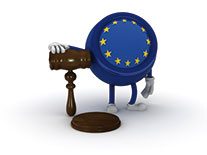 Later this year anyone who is arrested in Europe will be able to find out about their legal rights – in their own language – online. Amanda Pinto QC discusses what the Council of Bars and Law Societies of Europe project involves
The European Commission has decided to provide a pan-European project enabling those who come into contact with the criminal justice system in another member state to find out about their rights in their own language.
The aim is to provide a simple and accessible document throughout the EU detailing what can be expected on and after arrest; and what rights a defendant has in each of the member states.
It will enable not just someone accused of a crime, but anyone (such as members of the defendant’s family), to access independent information over the internet.
A standard template has been devised and national experts have been appointed to complete the fact sheets in a consistent manner. The fact sheets are likely to be entitled “Introduction to the criminal process” (see also “What information do the fact sheets contain?” on p 12).
It is envisaged that the fact sheets will be accessible to members of the general public over the internet via the EU justice portal website. They will also be available in all official EU languages.
It is a vitally important project which the Council of Bars and Law Societies of Europe – Conseil des barreaux européens (“CCBE”) – successfully tendered for in late 2009.
The Bar Council has been overseeing the factsheets on behalf of England and Wales (Scotland and Northern Ireland have different experts and factsheets). We have been fortunate to have had the considerable help of Dr Nicola Padfield and Professor David Ormerod as our experts.
Although being practising criminal lawyers, we all think we know the law of our country well, it was a challenge to fit complex issues not only into everyday language but also within the strictures of a very tight word count: 7,000 words to explain the whole of the English criminal law and procedure. It proved surprisingly difficult to strike a balance between information and oversimplification, and to avoid misleading by omission.
Dealing with the fact that many criminal matters (such as those attracting a fixed penalty notice) never go near a court let alone end up as a contested trial presented another challenge.
Ultimately, the word count dictated that some areas where particular rules applied (for example terrorist provisions or private prosecutions) were omitted in favour of information of more general application.
The EU Commission, aiming for consistency of approach throughout the region, preferred to focus on the trial process and to omit regulatory regimes.
The fact sheets on the rights of defendants is an initiative which follows in the wake of a similar scheme for victims.
The fact sheets on defendants’ rights were completed in April 2010, following a meeting of all of the experts of the EU member states in Brussels in February.
The final submission to the EU Commission by the CCBE of the completed fact sheets of all the member states – translated into English and French – will be in August 2010. It is anticipated that they will be available through the EU portal (visit the website http://europa.eu/index_en.htm) by the end of the year.
Amanda Pinto QC is a barrister at 5 Paper Buildings, a member of the International Committee of the Bar Council and the International Officer of the Criminal Bar Association
The fact sheets will contain a summary of the different stages in each criminal justice system:
The fact sheets include answers to the following questions:
The answers are likely to vary from country to country, so having easy access via the internet to information about what is likely to happen and what rights one has, is likely to be both useful and reassuring.
The aim is to provide a simple and accessible document throughout the EU detailing what can be expected on and after arrest; and what rights a defendant has in each of the member states.
It will enable not just someone accused of a crime, but anyone (such as members of the defendant’s family), to access independent information over the internet.
A standard template has been devised and national experts have been appointed to complete the fact sheets in a consistent manner. The fact sheets are likely to be entitled “Introduction to the criminal process” (see also “What information do the fact sheets contain?” on p 12).
It is envisaged that the fact sheets will be accessible to members of the general public over the internet via the EU justice portal website. They will also be available in all official EU languages.
It is a vitally important project which the Council of Bars and Law Societies of Europe – Conseil des barreaux européens (“CCBE”) – successfully tendered for in late 2009.
The Bar Council has been overseeing the factsheets on behalf of England and Wales (Scotland and Northern Ireland have different experts and factsheets). We have been fortunate to have had the considerable help of Dr Nicola Padfield and Professor David Ormerod as our experts.
Although being practising criminal lawyers, we all think we know the law of our country well, it was a challenge to fit complex issues not only into everyday language but also within the strictures of a very tight word count: 7,000 words to explain the whole of the English criminal law and procedure. It proved surprisingly difficult to strike a balance between information and oversimplification, and to avoid misleading by omission.
Dealing with the fact that many criminal matters (such as those attracting a fixed penalty notice) never go near a court let alone end up as a contested trial presented another challenge.
Ultimately, the word count dictated that some areas where particular rules applied (for example terrorist provisions or private prosecutions) were omitted in favour of information of more general application.
The EU Commission, aiming for consistency of approach throughout the region, preferred to focus on the trial process and to omit regulatory regimes.
The fact sheets on the rights of defendants is an initiative which follows in the wake of a similar scheme for victims.
The fact sheets on defendants’ rights were completed in April 2010, following a meeting of all of the experts of the EU member states in Brussels in February.
The final submission to the EU Commission by the CCBE of the completed fact sheets of all the member states – translated into English and French – will be in August 2010. It is anticipated that they will be available through the EU portal (visit the website http://europa.eu/index_en.htm) by the end of the year.
Amanda Pinto QC is a barrister at 5 Paper Buildings, a member of the International Committee of the Bar Council and the International Officer of the Criminal Bar Association
The fact sheets will contain a summary of the different stages in each criminal justice system:
The fact sheets include answers to the following questions:
The answers are likely to vary from country to country, so having easy access via the internet to information about what is likely to happen and what rights one has, is likely to be both useful and reassuring.
Later this year anyone who is arrested in Europe will be able to find out about their legal rights – in their own language – online. Amanda Pinto QC discusses what the Council of Bars and Law Societies of Europe project involves
The European Commission has decided to provide a pan-European project enabling those who come into contact with the criminal justice system in another member state to find out about their rights in their own language.

The Chair of the Bar reports back
Clement Cowley, Partner at The Penny Group, explains how global events can influence the performance of pensions and ISAs, and why taking a long-term approach to investing is often the most effective strategy
Mário Barroso, Head of R&D and Method Development at AlphaBiolabs, discusses what family law professionals need to know about hallucinogens, from the main hallucinogenic drugs encountered in family proceedings, to their effects and the testing options available
Harmony Christian Ministries is the latest charity to benefit from a £500 donation from AlphaBiolabs via the company’s Giving Back initiative
By David Green
Mário Barroso, Head of R&D and Method Development at AlphaBiolabs, examines the forensic science underpinning hair drug testing, its evidential scope and limitations, and why it remains the gold standard for evidencing patterns of drug use in family proceedings
At the start of her term, Chair of the Bar 2026 Kirsty Brimelow KC set out a series of priorities for the year ahead. One of those priorities was children in the justice system
As the world becomes more digital, Barbara Vinagre Mota examines international research into the mental health consequences of judges’ exposure to graphic and immersive evidence, highlighting the importance of support systems
In an era of patient-centred care and growing concern over misconduct in medical settings, why do women still lack the right to choose women consultants for examination and treatment? Charles Davey investigates
Reviewed by Daniel Barnett
James McNeill Whistler at Tate Britain until 27 September Rothko in Florence at Palazzo Strozzi until 23 August Reviewed by Stephen Cragg KC