*/

Rachel Davenport, Co-founder and Director at AlphaBiolabs, discusses the role that drug, alcohol and DNA testing can play in non-court dispute resolution (NCDR)
Changes to the Family Procedure Rules in relation to NCDR, which came into force in April 2024, marked a transformative moment for family law professionals and mediation practices in the UK.
Designed to strengthen the role of mediation by placing emphasis on non-adversarial approaches and broadening the definition of NCDR to include a wide range of methods for dispute resolution, the rules seek to empower families to resolve conflicts constructively, with minimal court intervention.
However, the success of mediation often depends on the trust and cooperation of all parties. In cases involving allegations of substance misuse or disputes over biological relationships, impartial evidence provided by drug, alcohol and DNA testing can help to:
For counsel involved in family law, mediation and child welfare, impartial evidence from drug, alcohol and DNA testing has become an indispensable tool for facilitating informed decisions.
Drug, alcohol and/or DNA testing may be sought during NCDR for a variety of reasons including:
The results of these tests can provide legal practitioners with concrete evidence needed to navigate disputes, strengthen mediation outcomes, and meet court-mandated evidence standards when NCDR is pursued.
Concerns surrounding a parent’s suspected substance misuse can heavily impact mediation where the issues of childcare and visitation are central to discussions. In these circumstances, drug and alcohol tests offer impartial evidence as to whether or not there has been recent or longer-term substance misuse.
Options for testing include:
These methods ensure that decisions about parenting arrangements can be made based on objective evidence, prioritising the child/children’s welfare.
Uncertainty surrounding a child’s parentage can cause significant emotional strain during mediation, leading to emotionally-charged discussions that dominate proceedings.
In these circumstances, DNA testing such as paternity testing or non-invasive prenatal paternity testing – which can be performed from as early as 7 weeks into pregnancy, and is completely risk-free for mum and baby – can offer a simple, accurate and reliable way of confirming a child’s parentage.
This can allow separating families to reach decisions more quickly regarding visitation and custody arrangements, as well as financial support.
The NCDR rules highlight the importance of open communication and co-operation in resolving family disputes, and helping families to reach agreements based on trust and clarity.
Whether testing is required to ensure a child’s safety or to confirm a biological relationship, AlphaBiolabs can help.
We have over 20 years’ experience providing drug, alcohol and DNA testing for legal and official matters, including as part of NCDR.
We also provide rapid results from our UKAS 17025-acredited UK laboratory, with all testing performed in the UK – so samples are never sent abroad.
For more information contact our New Enquiry team on 0333 600 1300 / testing@alphabiolabs.com or visit https://www.alphabiolabs.co.uk/legal-test-forms/, and we will be happy to discuss the requirements of your case.
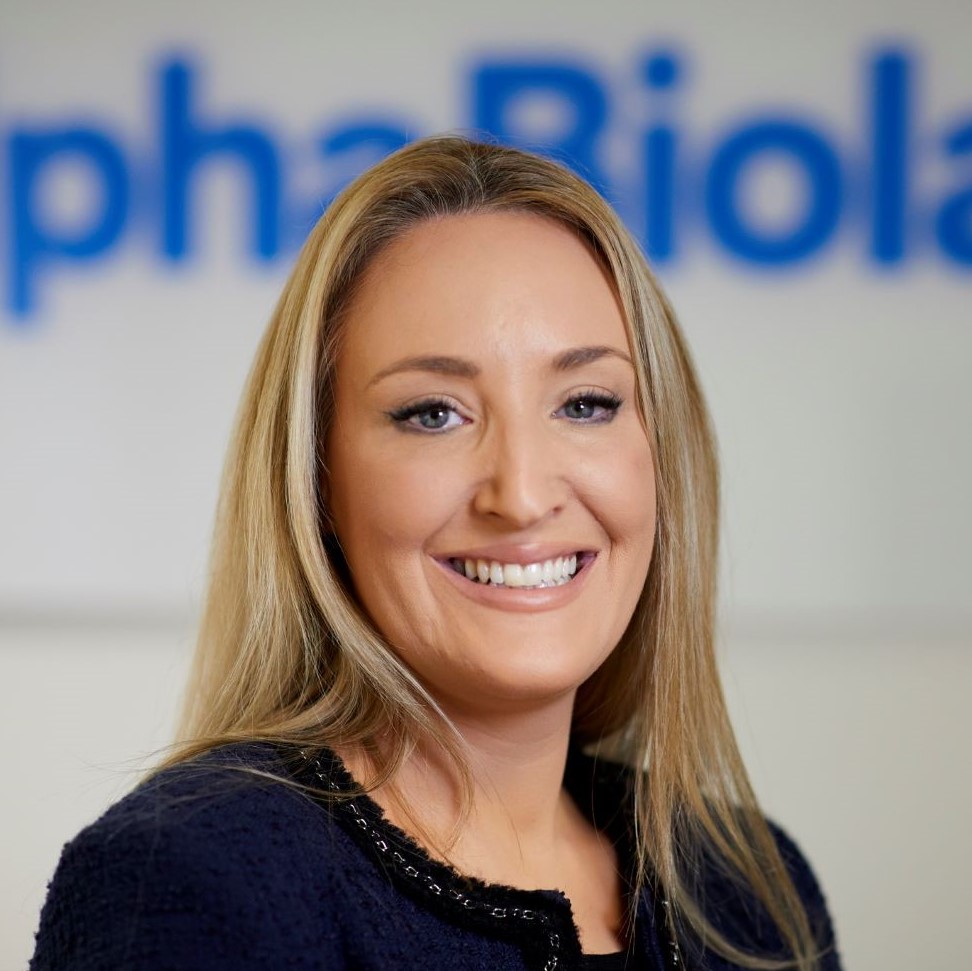
Rachel Davenport is Co-founder and Director at AlphaBiolabs, the UK’s leading laboratory providing UKAS-accredited DNA, drug, and alcohol testing services for the legal sector. Since establishing the company in 2004, Rachel has continued to ensure that the range of services offered remain at the forefront of innovation and value, supporting family law professionals, social workers, and local authorities with court-approved solutions for family law cases. Website: https://www.alphabiolabs.co.uk
Changes to the Family Procedure Rules in relation to NCDR, which came into force in April 2024, marked a transformative moment for family law professionals and mediation practices in the UK.
Designed to strengthen the role of mediation by placing emphasis on non-adversarial approaches and broadening the definition of NCDR to include a wide range of methods for dispute resolution, the rules seek to empower families to resolve conflicts constructively, with minimal court intervention.
However, the success of mediation often depends on the trust and cooperation of all parties. In cases involving allegations of substance misuse or disputes over biological relationships, impartial evidence provided by drug, alcohol and DNA testing can help to:
For counsel involved in family law, mediation and child welfare, impartial evidence from drug, alcohol and DNA testing has become an indispensable tool for facilitating informed decisions.
Drug, alcohol and/or DNA testing may be sought during NCDR for a variety of reasons including:
The results of these tests can provide legal practitioners with concrete evidence needed to navigate disputes, strengthen mediation outcomes, and meet court-mandated evidence standards when NCDR is pursued.
Concerns surrounding a parent’s suspected substance misuse can heavily impact mediation where the issues of childcare and visitation are central to discussions. In these circumstances, drug and alcohol tests offer impartial evidence as to whether or not there has been recent or longer-term substance misuse.
Options for testing include:
These methods ensure that decisions about parenting arrangements can be made based on objective evidence, prioritising the child/children’s welfare.
Uncertainty surrounding a child’s parentage can cause significant emotional strain during mediation, leading to emotionally-charged discussions that dominate proceedings.
In these circumstances, DNA testing such as paternity testing or non-invasive prenatal paternity testing – which can be performed from as early as 7 weeks into pregnancy, and is completely risk-free for mum and baby – can offer a simple, accurate and reliable way of confirming a child’s parentage.
This can allow separating families to reach decisions more quickly regarding visitation and custody arrangements, as well as financial support.
The NCDR rules highlight the importance of open communication and co-operation in resolving family disputes, and helping families to reach agreements based on trust and clarity.
Whether testing is required to ensure a child’s safety or to confirm a biological relationship, AlphaBiolabs can help.
We have over 20 years’ experience providing drug, alcohol and DNA testing for legal and official matters, including as part of NCDR.
We also provide rapid results from our UKAS 17025-acredited UK laboratory, with all testing performed in the UK – so samples are never sent abroad.
For more information contact our New Enquiry team on 0333 600 1300 / testing@alphabiolabs.com or visit https://www.alphabiolabs.co.uk/legal-test-forms/, and we will be happy to discuss the requirements of your case.
Rachel Davenport, Co-founder and Director at AlphaBiolabs, discusses the role that drug, alcohol and DNA testing can play in non-court dispute resolution (NCDR)

The Chair of the Bar reports back
By Kem Kemal, CEO, Henry Dannell
By BSK Financial Planning
Mário Barroso, Head of R&D and Method Development at AlphaBiolabs
Susie Griffin on the admin that keeps barristers from billable work
Clement Cowley, Partner at The Penny Group, explains how global events can influence the performance of pensions and ISAs, and why taking a long-term approach to investing is often the most effective strategy

Kick off your career at the Bar Council’s Pupillage Fair this October – it’s one of the most valuable opportunities for aspiring barristers, says Amelia Clegg
The golden age of advocacy? David Langwallner pays homage to the filmic if contentious barrister Sir Edward Carson and some of his contemporaries
Henry Fingerhut outlines what the Bar Standards Board AI guidance means for early career barristers
The Ministry of Justice will match-fund up to 100 criminal pupillages, with grants available to criminal chambers across England and Wales. Similar to the COIC scheme, the grants will match-fund pupillages additional to those otherwise offered without government funding
Not yet, says Jacob Turner. Regulation, unlike the technology itself, is a domain the legal profession can still control