*/
Monisha Shah, Chair of the King’s Counsel Selection Panel, gives an insight into the silk selection process and outlines a new condensed timetable for 2024

As we begin preparing for the next KC competition, I want to take the opportunity to outline a summary of the process of selection, clarify some common misconceptions and confirm a slightly changed timeline for 2024.
The award of King’s Counsel is for those who demonstrate consistent excellence in advocacy in the higher courts of England and Wales or in tribunals or arbitrations. As the King’s Counsel Selection Panel, we make recommendations based on evidence from your assessors – judges, practitioners and clients who have experience of your work and ability – selected from the cases you have nominated. The cases selected by you as the applicant must be of substance – which in the context of our framework means that they should be of particular complexity, difficulty or sensitivity.
The competency framework against which we make our recommendations was established by the sector. Our remit is to consider whether applicants have demonstrated the competencies in the competency framework to a high standard of excellence. The selection process is necessarily therefore a rigorous and thorough one.
We appreciate that the process can feel daunting to applicants. I would like to assure you that all aspects of the process are extensively explained on our website. We have made every effort to clarify what information is needed, what applicants should consider when they make an application, and even how to prepare for interview, should you get to that stage in the process.
We continue to refine our guidance as we get feedback from applicants and assessors. We are reflective of our work and impact. We continue to improve our systems and upskill the panel on a regular basis. Our processes are audited by a third party to provide quality assurance. We receive specialised training as a panel and invite regular briefings from sector bodies. In addition, we have a series of webinars and presentations – online and in person – planned throughout the year designed to encourage applicants of all backgrounds to feel confident about their applications.
The panel appreciates that some applicants may not be able to provide 12 cases in the past three years. We do not wish to discourage those who may have taken a career break or have a practice that lends itself to particularly long cases or inquiries. Having fewer than 12 cases, or choosing cases beyond the three-year threshold, is not a bar to application provided you are able to explain your reasons.
The risk to listing fewer than 12 cases is that there may be less breadth of evidence required to demonstrate consistent excellence. Choosing cases beyond three years runs the risk that your assessors may not remember the detail of your work and their evidence may not be as robust.
Some of these risks can be mitigated. You may consider sending any relevant documents to your assessors as an aide memoire – although please do not ask an assessor if they have been approached or write the assessment for them.
Some applicants tell us they feel they need a coach to succeed in the KC competition. We understand why you may feel this is necessary but what I can say from experience is that paying for a coach certainly does not guarantee a successful outcome; in some cases it can prove to be positively detrimental as the application and interview material looks and reads formulaic, and is often repeated across many different applicants. It can undermine the applicant’s own unique experience and expertise.
I would strongly encourage you to use the published information on our website and attend one of our many events specifically designed to help clarify the application process and address any issues or concerns you may have. The fantastic team at the secretariat is also very happy to answer any questions.
The purpose of the interview is to seek additional information or clarify existing information we have about you from your assessors. No decisions are made at the interview itself. The information is taken back to the panel for a further full round of deliberations.
In keeping with the rest of the process, the interview is based on the competency framework. The best way to approach the interview is by preparing examples from your cases (listed and unlisted) and familiarising yourself with the STAR technique. There is more information specifically about how to prepare for the interview on our website. As a Panel we are looking for information specific to you and your experience, not answers that a coach might suggest we want to hear.
I would strongly recommend our guide Providing your best evidence at a KC selection interview. More detail on the interview process can also be found in Interview all areas, Sara Nathan’s article for the Counsel Silk Supplement 2023.
Every application is considered afresh by the Selection Panel who seek new evidence, potentially from completely different assessors, in each competition. The panel and the secretariat take great care not to refer to previous applications in their considerations. The process is set up to take account for the fact that careers develop over time, and assessors’ knowledge and evidence about applicants can change, for better as well as worse. There is therefore no guarantee that an applicant will reach the same stage as in a previous round.
In 2024, we have pushed back the competition opening date to minimise the length of time applicants have to wait for a result. Applications will therefore open on 8 March, for six weeks, with interviews held over three weeks from 30 September. The Selection Panel’s final recommendations will be sent to the Lord Chancellor in November, and we expect that applicants will be told the outcome of the competition in January 2025.
I hope that you have found this information helpful. Should you choose to apply for silk in 2024, I look forward to receiving your application and wish you every success.
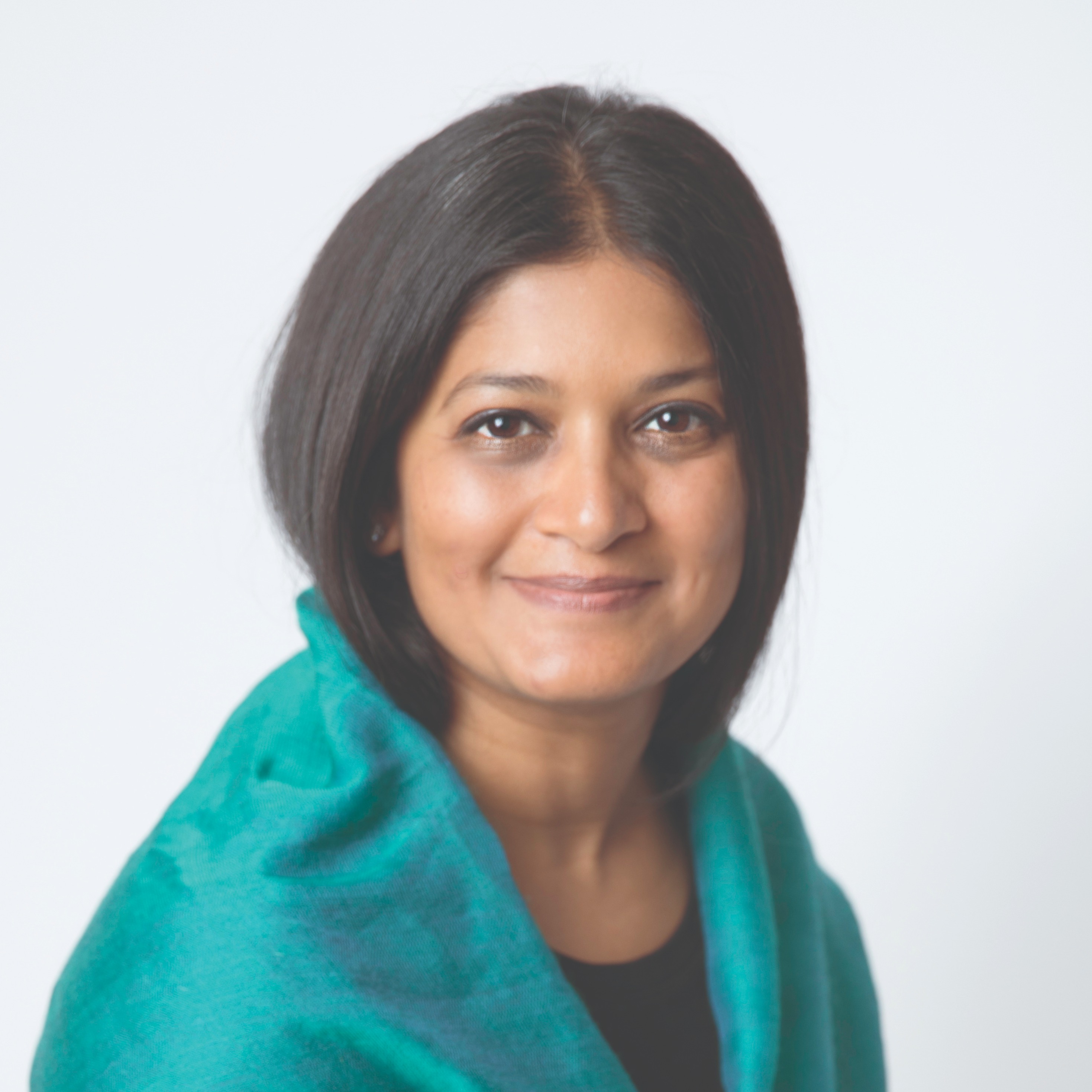
Monisha Shah is the Chair of the King's Counsel Selection Panel.
As we begin preparing for the next KC competition, I want to take the opportunity to outline a summary of the process of selection, clarify some common misconceptions and confirm a slightly changed timeline for 2024.
The award of King’s Counsel is for those who demonstrate consistent excellence in advocacy in the higher courts of England and Wales or in tribunals or arbitrations. As the King’s Counsel Selection Panel, we make recommendations based on evidence from your assessors – judges, practitioners and clients who have experience of your work and ability – selected from the cases you have nominated. The cases selected by you as the applicant must be of substance – which in the context of our framework means that they should be of particular complexity, difficulty or sensitivity.
The competency framework against which we make our recommendations was established by the sector. Our remit is to consider whether applicants have demonstrated the competencies in the competency framework to a high standard of excellence. The selection process is necessarily therefore a rigorous and thorough one.
We appreciate that the process can feel daunting to applicants. I would like to assure you that all aspects of the process are extensively explained on our website. We have made every effort to clarify what information is needed, what applicants should consider when they make an application, and even how to prepare for interview, should you get to that stage in the process.
We continue to refine our guidance as we get feedback from applicants and assessors. We are reflective of our work and impact. We continue to improve our systems and upskill the panel on a regular basis. Our processes are audited by a third party to provide quality assurance. We receive specialised training as a panel and invite regular briefings from sector bodies. In addition, we have a series of webinars and presentations – online and in person – planned throughout the year designed to encourage applicants of all backgrounds to feel confident about their applications.
The panel appreciates that some applicants may not be able to provide 12 cases in the past three years. We do not wish to discourage those who may have taken a career break or have a practice that lends itself to particularly long cases or inquiries. Having fewer than 12 cases, or choosing cases beyond the three-year threshold, is not a bar to application provided you are able to explain your reasons.
The risk to listing fewer than 12 cases is that there may be less breadth of evidence required to demonstrate consistent excellence. Choosing cases beyond three years runs the risk that your assessors may not remember the detail of your work and their evidence may not be as robust.
Some of these risks can be mitigated. You may consider sending any relevant documents to your assessors as an aide memoire – although please do not ask an assessor if they have been approached or write the assessment for them.
Some applicants tell us they feel they need a coach to succeed in the KC competition. We understand why you may feel this is necessary but what I can say from experience is that paying for a coach certainly does not guarantee a successful outcome; in some cases it can prove to be positively detrimental as the application and interview material looks and reads formulaic, and is often repeated across many different applicants. It can undermine the applicant’s own unique experience and expertise.
I would strongly encourage you to use the published information on our website and attend one of our many events specifically designed to help clarify the application process and address any issues or concerns you may have. The fantastic team at the secretariat is also very happy to answer any questions.
The purpose of the interview is to seek additional information or clarify existing information we have about you from your assessors. No decisions are made at the interview itself. The information is taken back to the panel for a further full round of deliberations.
In keeping with the rest of the process, the interview is based on the competency framework. The best way to approach the interview is by preparing examples from your cases (listed and unlisted) and familiarising yourself with the STAR technique. There is more information specifically about how to prepare for the interview on our website. As a Panel we are looking for information specific to you and your experience, not answers that a coach might suggest we want to hear.
I would strongly recommend our guide Providing your best evidence at a KC selection interview. More detail on the interview process can also be found in Interview all areas, Sara Nathan’s article for the Counsel Silk Supplement 2023.
Every application is considered afresh by the Selection Panel who seek new evidence, potentially from completely different assessors, in each competition. The panel and the secretariat take great care not to refer to previous applications in their considerations. The process is set up to take account for the fact that careers develop over time, and assessors’ knowledge and evidence about applicants can change, for better as well as worse. There is therefore no guarantee that an applicant will reach the same stage as in a previous round.
In 2024, we have pushed back the competition opening date to minimise the length of time applicants have to wait for a result. Applications will therefore open on 8 March, for six weeks, with interviews held over three weeks from 30 September. The Selection Panel’s final recommendations will be sent to the Lord Chancellor in November, and we expect that applicants will be told the outcome of the competition in January 2025.
I hope that you have found this information helpful. Should you choose to apply for silk in 2024, I look forward to receiving your application and wish you every success.
Monisha Shah, Chair of the King’s Counsel Selection Panel, gives an insight into the silk selection process and outlines a new condensed timetable for 2024

The Chair of the Bar reports back
Susie Griffin on the admin that keeps barristers from billable work
Clement Cowley, Partner at The Penny Group, explains how global events can influence the performance of pensions and ISAs, and why taking a long-term approach to investing is often the most effective strategy
Mário Barroso, Head of R&D and Method Development at AlphaBiolabs, discusses what family law professionals need to know about hallucinogens, from the main hallucinogenic drugs encountered in family proceedings, to their effects and the testing options available
Harmony Christian Ministries is the latest charity to benefit from a £500 donation from AlphaBiolabs via the company’s Giving Back initiative
By David Green

The golden age of advocacy? David Langwallner pays homage to the filmic if contentious barrister Sir Edward Carson and some of his contemporaries
Leah Arthur, a pupil, and her second seat supervisor, John Goss, share their perspectives on building a productive pupil-supervisor relationship
Henry Fingerhut outlines what the Bar Standards Board AI guidance means for early career barristers
The Ministry of Justice will match-fund up to 100 criminal pupillages, with grants available to criminal chambers across England and Wales. Similar to the COIC scheme, the grants will match-fund pupillages additional to those otherwise offered without government funding
Not yet, says Jacob Turner. Regulation, unlike the technology itself, is a domain the legal profession can still control