*/
For all but a relatively small group of lawyers, NGOs and politicians on either side of the Atlantic, the US detention facility in Guantanamo Bay, Cuba has largely faded from memory. What was once the most visible manifestation of the ‘War on Terror’ now stands as a relic of that period in the public consciousness. A place that President Obama promised to close before he was elected but which remains and is rarely talked about, aside from occasional threats from President Trump to ‘load it up with some more bad dudes’. The reality, however, is that Guantanamo Bay is very much still operational and, aside from still holding 40 prisoners, it is also home to the largest terrorism trial in US history.
It was for this reason that I, representing the Bar Human Rights Committee of England & Wales (BHRC), flew to Guantanamo Bay in February 2020 as an international observer at the trial of US v Mohammad et al. A significant part of BHRC’s work involves trial observations throughout the world in cases where human rights issues and concerns around the fairness of the process have been raised. Trials on US territory would not normally fall within that remit but, in virtually every respect, Guantanamo represents a special case.
BHRC has long expressed concerns about many of the actions that were taken in the name of the War on Terror. Central to those concerns was the total disregard for due process and the rule of law, including the systematic use of rendition and torture. The effects of those actions are still being felt today, none more so than the decision to set up a detention facility on a piece of land leased from Cuba in the early 20th century in a clear attempt to keep detainees out of the jurisdiction of the US domestic legal system. Eighteen years after the first detainees were officially brought to the island, a series of major decisions by the US Supreme Court ensured some limited constitutional protections for those held there, but for the majority, the fact remains that they are still held indefinitely without charge or any prospect of release. Some estimates put the cost of this to the US taxpayer at around $13m a year per detainee.
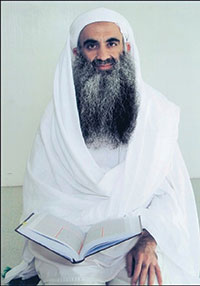
US v Mohammad et al concerns five men accused of varying degrees of involvement in the planning of the 9/11 atrocities. Chief among them and first on the indictment is Khalid Sheikh Mohammed, considered one of the world’s most wanted men following 9/11 and alleged to be the mastermind behind the whole operation. The other defendants, Walid Bin Attash, Ramzi bin al-Shibh, Ammar Al Baluchi and Mustafa Al Hawsawi are all accused of providing logistical or financial support for the plan.
Despite their capture between 2002 and 2003, they were held for almost a decade before arraignment even took place in 2012. Since that time, proceedings have remained firmly in the pre-trial phase. A provisional trial date of January 2021 has been scuppered by the COVID crisis and a multitude of other issues.
One reason for the long delay in bringing detainees to trial is that the focus of efforts by the US government (particularly the CIA) in its trawl across the globe for Al Qaeda-affiliated suspects was not on bringing those captured to justice. Instead, they were to be detained and interrogated for intelligence. Individuals were rendered to ‘Black Sites’ by the CIA and subject to Enhanced Interrogation Techniques (EIT), including waterboarding and sleep deprivation. This extraordinary activity was heavily criticised in the 2014 Senate Intelligence Committee Report on the CIA’s Detention and Interrogation Programme and, as President Obama said candidly in 2014, ‘we tortured some folks’.
Despite Obama’s attempts to turn the page on this period of American history, there was seemingly insurmountable resistance to granting those in Guantanamo ordinary due process rights and subjecting them to criminal prosecution in the US. As a result, in order to prosecute those against whom there is actually some evidence, the Obama administration turned to the special military tribunal created under the Military Commissions Act 2009.
The Military Commission has jurisdiction over those persons defined as ‘alien unprivileged enemy belligerents’ (a category of persons that never previously existed under international law). That definition applies only in certain circumstances, including where the person was (or had been) engaged in ‘hostilities’ against the US or its coalition partners. This effectively requires there to have been a non-international armed conflict between the US and Al Qaeda at the time the defendants planned the 9/11 attacks. Understandably, this has given rise to complex arguments about when, if ever, any such conflict began. The prosecution has contended that the US was at war with Al Qaeda from as early as 1996 when Osama Bin Laden publicly proclaimed a war with the West. However, the defence has argued such a proposition is absurd and that no one at the time, including then President Clinton, believed that any such war existed.
Alongside this is the issue of the admissibility of evidence that resulted from the use of torture or EIT. The prosecution seeks to rely on those statements extracted by FBI ‘Clean Teams’ – interrogators who were not directly involved in the earlier use of torture who took confessions from detainees who, at that moment, were not subject to duress. The defence argues that such evidence is not ‘clean’ at all, leading to a vast disclosure exercise and exploration of the genesis of the CIA Detention and Interrogation Programme and the treatment suffered by the defendants. Something that has added importance because all defendants face the death penalty if convicted, meaning that such evidence will play a crucial role in any attempts to persuade the court that a death sentence would be unjust.
Proceedings are also marked by an extraordinary level of secrecy and sensitivity. Hearings routinely move to closed session. At any point during proceedings a lawyer on the government side has the ability to assert ‘national security privilege’ over any evidence about to be aired in open court. Despite possessing ‘top secret’ security clearance, this usually means the defence lawyers (and of course defendants and any observers) may not be privy to it and must make do with that which they are cleared to access. This secrecy can border on the bizarre. For example, in the week before my arrival, one of the two psychologists who devised the EIT programme was not permitted to give evidence that was contained in his internationally published book on the grounds of national security. Meanwhile one of the guards reportedly sat with a copy on his desk.
The continued existence of the Guantanamo Bay facility and the failure over the last 18 years to release those held without charge, or effectively try those indicted, represents a gross affront to justice for all affected and a salutary lesson about nations who support the rule of law jettisoning their principles in times of crisis.
A report on the trial observation will be published by BHRC shortly. Membership of BHRC is open to everyone at the Bar. If you wish to take part in raising human rights issues and shining a light on breaches of the rule of law internationally, please join and get involved at www.barhumanrights.org.uk.
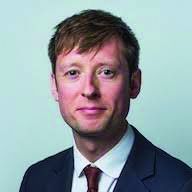
Jacob Bindman is a barrister at Garden Court Chambers.
For all but a relatively small group of lawyers, NGOs and politicians on either side of the Atlantic, the US detention facility in Guantanamo Bay, Cuba has largely faded from memory. What was once the most visible manifestation of the ‘War on Terror’ now stands as a relic of that period in the public consciousness. A place that President Obama promised to close before he was elected but which remains and is rarely talked about, aside from occasional threats from President Trump to ‘load it up with some more bad dudes’. The reality, however, is that Guantanamo Bay is very much still operational and, aside from still holding 40 prisoners, it is also home to the largest terrorism trial in US history.
It was for this reason that I, representing the Bar Human Rights Committee of England & Wales (BHRC), flew to Guantanamo Bay in February 2020 as an international observer at the trial of US v Mohammad et al. A significant part of BHRC’s work involves trial observations throughout the world in cases where human rights issues and concerns around the fairness of the process have been raised. Trials on US territory would not normally fall within that remit but, in virtually every respect, Guantanamo represents a special case.
BHRC has long expressed concerns about many of the actions that were taken in the name of the War on Terror. Central to those concerns was the total disregard for due process and the rule of law, including the systematic use of rendition and torture. The effects of those actions are still being felt today, none more so than the decision to set up a detention facility on a piece of land leased from Cuba in the early 20th century in a clear attempt to keep detainees out of the jurisdiction of the US domestic legal system. Eighteen years after the first detainees were officially brought to the island, a series of major decisions by the US Supreme Court ensured some limited constitutional protections for those held there, but for the majority, the fact remains that they are still held indefinitely without charge or any prospect of release. Some estimates put the cost of this to the US taxpayer at around $13m a year per detainee.
US v Mohammad et al concerns five men accused of varying degrees of involvement in the planning of the 9/11 atrocities. Chief among them and first on the indictment is Khalid Sheikh Mohammed, considered one of the world’s most wanted men following 9/11 and alleged to be the mastermind behind the whole operation. The other defendants, Walid Bin Attash, Ramzi bin al-Shibh, Ammar Al Baluchi and Mustafa Al Hawsawi are all accused of providing logistical or financial support for the plan.
Despite their capture between 2002 and 2003, they were held for almost a decade before arraignment even took place in 2012. Since that time, proceedings have remained firmly in the pre-trial phase. A provisional trial date of January 2021 has been scuppered by the COVID crisis and a multitude of other issues.
One reason for the long delay in bringing detainees to trial is that the focus of efforts by the US government (particularly the CIA) in its trawl across the globe for Al Qaeda-affiliated suspects was not on bringing those captured to justice. Instead, they were to be detained and interrogated for intelligence. Individuals were rendered to ‘Black Sites’ by the CIA and subject to Enhanced Interrogation Techniques (EIT), including waterboarding and sleep deprivation. This extraordinary activity was heavily criticised in the 2014 Senate Intelligence Committee Report on the CIA’s Detention and Interrogation Programme and, as President Obama said candidly in 2014, ‘we tortured some folks’.
Despite Obama’s attempts to turn the page on this period of American history, there was seemingly insurmountable resistance to granting those in Guantanamo ordinary due process rights and subjecting them to criminal prosecution in the US. As a result, in order to prosecute those against whom there is actually some evidence, the Obama administration turned to the special military tribunal created under the Military Commissions Act 2009.
The Military Commission has jurisdiction over those persons defined as ‘alien unprivileged enemy belligerents’ (a category of persons that never previously existed under international law). That definition applies only in certain circumstances, including where the person was (or had been) engaged in ‘hostilities’ against the US or its coalition partners. This effectively requires there to have been a non-international armed conflict between the US and Al Qaeda at the time the defendants planned the 9/11 attacks. Understandably, this has given rise to complex arguments about when, if ever, any such conflict began. The prosecution has contended that the US was at war with Al Qaeda from as early as 1996 when Osama Bin Laden publicly proclaimed a war with the West. However, the defence has argued such a proposition is absurd and that no one at the time, including then President Clinton, believed that any such war existed.
Alongside this is the issue of the admissibility of evidence that resulted from the use of torture or EIT. The prosecution seeks to rely on those statements extracted by FBI ‘Clean Teams’ – interrogators who were not directly involved in the earlier use of torture who took confessions from detainees who, at that moment, were not subject to duress. The defence argues that such evidence is not ‘clean’ at all, leading to a vast disclosure exercise and exploration of the genesis of the CIA Detention and Interrogation Programme and the treatment suffered by the defendants. Something that has added importance because all defendants face the death penalty if convicted, meaning that such evidence will play a crucial role in any attempts to persuade the court that a death sentence would be unjust.
Proceedings are also marked by an extraordinary level of secrecy and sensitivity. Hearings routinely move to closed session. At any point during proceedings a lawyer on the government side has the ability to assert ‘national security privilege’ over any evidence about to be aired in open court. Despite possessing ‘top secret’ security clearance, this usually means the defence lawyers (and of course defendants and any observers) may not be privy to it and must make do with that which they are cleared to access. This secrecy can border on the bizarre. For example, in the week before my arrival, one of the two psychologists who devised the EIT programme was not permitted to give evidence that was contained in his internationally published book on the grounds of national security. Meanwhile one of the guards reportedly sat with a copy on his desk.
The continued existence of the Guantanamo Bay facility and the failure over the last 18 years to release those held without charge, or effectively try those indicted, represents a gross affront to justice for all affected and a salutary lesson about nations who support the rule of law jettisoning their principles in times of crisis.
A report on the trial observation will be published by BHRC shortly. Membership of BHRC is open to everyone at the Bar. If you wish to take part in raising human rights issues and shining a light on breaches of the rule of law internationally, please join and get involved at www.barhumanrights.org.uk.

The Chair of the Bar reports back
By Kem Kemal, CEO, Henry Dannell
By BSK Financial Planning
Mário Barroso, Head of R&D and Method Development at AlphaBiolabs
Susie Griffin on the admin that keeps barristers from billable work
Clement Cowley, Partner at The Penny Group, explains how global events can influence the performance of pensions and ISAs, and why taking a long-term approach to investing is often the most effective strategy

Kick off your career at the Bar Council’s Pupillage Fair this October – it’s one of the most valuable opportunities for aspiring barristers, says Amelia Clegg
The golden age of advocacy? David Langwallner pays homage to the filmic if contentious barrister Sir Edward Carson and some of his contemporaries
Henry Fingerhut outlines what the Bar Standards Board AI guidance means for early career barristers
The Ministry of Justice will match-fund up to 100 criminal pupillages, with grants available to criminal chambers across England and Wales. Similar to the COIC scheme, the grants will match-fund pupillages additional to those otherwise offered without government funding
Not yet, says Jacob Turner. Regulation, unlike the technology itself, is a domain the legal profession can still control