*/
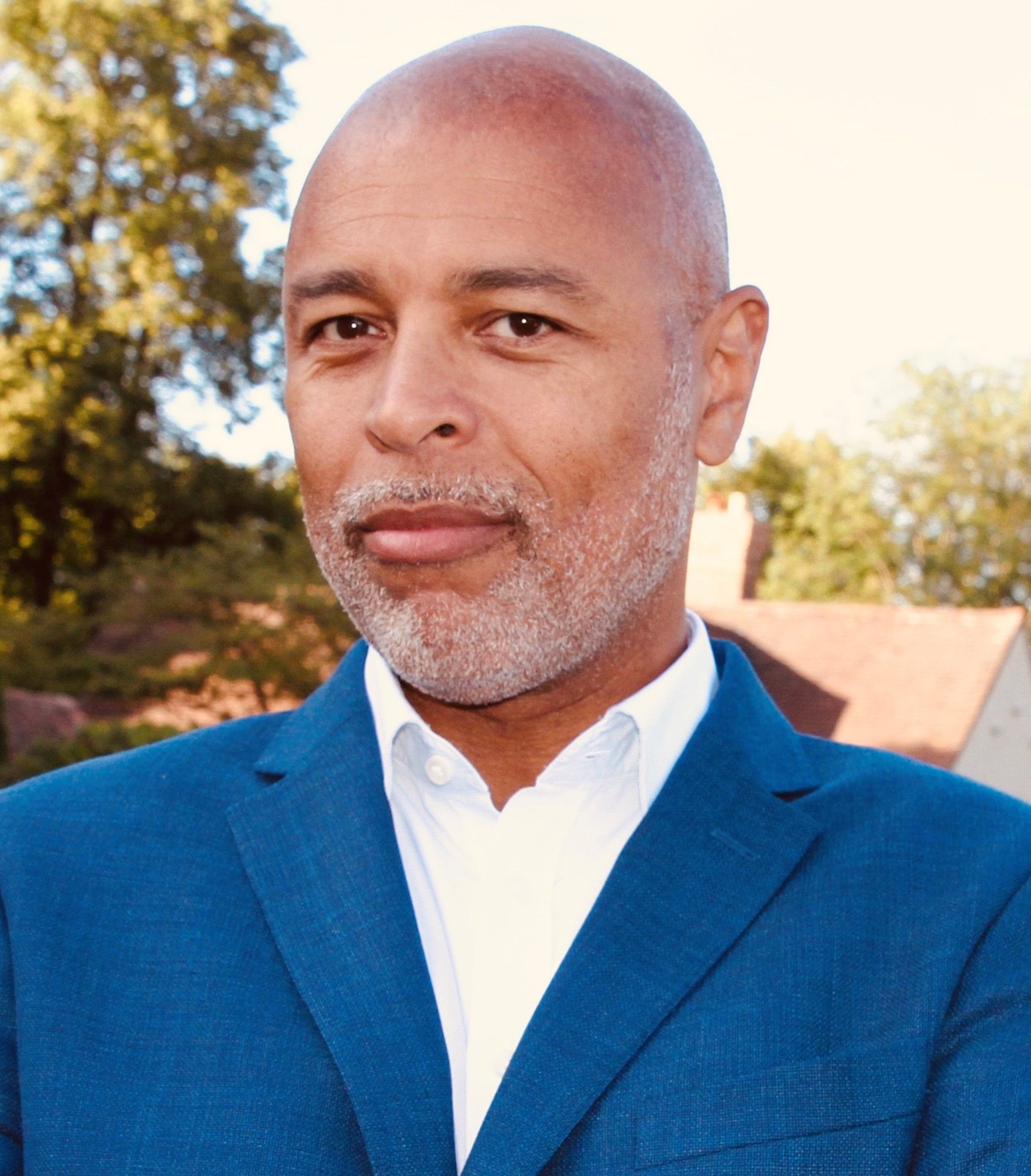
It’s January 1987 and I need a second-six-month pupillage. I’m desperate because if I cannot find one, I’m all out of options. Eventually, I receive a single response inviting me to interview at a common-law set of chambers in the Temple. The interview goes well enough, although I’m very intimidated. I didn’t attend a top ten university and I don’t look much like your typical barrister. Think Lionel Richie or Daley Thompson.
But they seem to like me and, as I step into the hallowed cloisters of Inner Temple, I have a glimmer of hope. Maybe this is it – the start of a glorious legal career. The next day, I get a message. The interviewing panel are prepared to offer me a pupillage but there is what they describe as ‘a wrinkle’:
‘We took on a Black barrister as a tenant last year and we can’t do it two years in a row. We just can’t. So, you can do the pupillage, but we’re afraid there won’t be a tenancy afterwards. We know this is all a bit sensitive and we hope you understand.’
Indeed. I left the Bar and went to work in the City – where they had different criteria.
Thirty-five years later, there is still a significant problem at the Bar. Black barristers remain a tiny minority. The recent Race at the Bar Report said:
To be fair, it’s not as though the Bar isn’t on the case. Savannah Sevenzo, a policy analyst at the Bar Council, told me:
‘The Bar Council has a Race Working Group (RWG) formed of representatives of the Bar. The RWG leads on initiatives to promote and improve racial equality and diversity. To support diversity at the Bar, the Bar Council organises outreach programmes in schools and universities, and we have recently launched a Race Awareness Training programme for chambers. In addition, there are projects focused on increasing diversity in the judiciary, such as the Pre-Application Judicial Education Programme. We want to see an increase in racial equality and diversity in relation to access to the Bar, retention, career progression, and a more inclusive culture.’
Three and a half decades on from my own unsuccessful attempt to gain tenancy, I still remember the hurt of that rejection. It wasn’t about my ability; it was simply that when it came down to it, the mainstream Bar wasn’t designed with people like me in mind. Black barristers had their place – in the so-called ‘ghetto chambers’ representing criminals and single parents from inner London council estates. Occasionally, the mainstream Bar would let in a Black barrister, but one didn’t want to overdo it. And two consecutive years, as I discovered in 1987, was over-doing it.
You can understand why the 100 Black Interns mission was so compelling for me.
It’s June 2020 and the world is in lockdown. It is three weeks since the murder of George Floyd in Minneapolis and everyone is reflecting on racial inequity. In the City of London, Black people are shockingly underrepresented in financial services and there is little sign of change. Out of 3,000 portfolio managers (they manage the money) just 12 are of Black heritage. There’s plenty of platitudes and handwringing by the industry but, on any measure, nothing changes. So, four of us decide to take action. Now seems like the moment. We make 100 phone calls asking senior executives across the industry if they would be prepared to offer a Black undergraduate a six-week, paid internship in Summer 2021. If we can persuade the industry to offer 100 internships to Black undergraduates, maybe we will see a change. We call it ‘100 Black Interns’.
It may be the lockdown, it may be the aftermath of George Floyd’s murder, or it may be the gentle nudging from a generation of Millennials who have had enough. Whatever the reason, we end up with 501 internships offered to Black students and graduates by 214 asset management firms.
For many years, I played in a rock band with Marcus Taverner QC. I played keyboard, Marcus, lead guitar. By day, Marcus is one of the Bar’s leading construction silks and, when we weren’t debating the merits of The Killers over Kings of Leon we talked about civil society and other things we cared about. One of those topics was underrepresentation at the Bar. Marcus recognised there was a long-standing problem and wanted to address it, but it was hard to know where to start. Keating Chambers, (where Marcus was Head of Chambers), had launched various initiatives over the years including trips to schools explaining that the Bar was a profession to which anyone could aspire. But it was slow going.
I told Marcus about 100 Black Interns in August 2020, that we were going to ramp it up to 10,000 Black Interns across all industry sectors including the Bar, and I asked for his help. By October 2020, Marcus and other senior legal figures had set up a 10,000 Black Interns Steering Group to drive the initiative. Marcus, Carol Davis QC, Liz Dux, Furhana Mallick, Fallon Alexis, Mass Ndow-Njie, Rose Malleson, Savannah Sevenzo and Alice Brighouse skilfully devised a workable 10KBI programme for the Bar (which isn’t really set up to do six-week, paid, internships – it’s a complicated story; it just isn’t).
So, after months of hard work by the Steering Group and with the support of the Bar Council, the Bar is good to go. In Summer 2022, across the UK, 24 Black graduates will be offered internships by over 70 sets of chambers operating mainly in sub-groups of four. Each of those groups will take one or two interns rotating them over six weeks and offering an internship covering everything from commercial, family, human rights, criminal, chancery, and common law.
Those 24 interns are currently being selected from a long list of 500 applicants. Marcus is personally reading through every application as are the other members of the Steering Group. It will take each of them around 10 hours just to do this part.
It feels like change is coming. Res ipsa loquitur. As they say.
Dawid Konotey-Ahulu is a former barrister turned investment banker and entrepreneur. He co-founded Redington, an independent consultancy, Mallowstreet, a platform to incubate ideas in financial services, and 10,000 Black Interns, a program to provide 10,000 Black students with internship.
It’s January 1987 and I need a second-six-month pupillage. I’m desperate because if I cannot find one, I’m all out of options. Eventually, I receive a single response inviting me to interview at a common-law set of chambers in the Temple. The interview goes well enough, although I’m very intimidated. I didn’t attend a top ten university and I don’t look much like your typical barrister. Think Lionel Richie or Daley Thompson.
But they seem to like me and, as I step into the hallowed cloisters of Inner Temple, I have a glimmer of hope. Maybe this is it – the start of a glorious legal career. The next day, I get a message. The interviewing panel are prepared to offer me a pupillage but there is what they describe as ‘a wrinkle’:
‘We took on a Black barrister as a tenant last year and we can’t do it two years in a row. We just can’t. So, you can do the pupillage, but we’re afraid there won’t be a tenancy afterwards. We know this is all a bit sensitive and we hope you understand.’
Indeed. I left the Bar and went to work in the City – where they had different criteria.
Thirty-five years later, there is still a significant problem at the Bar. Black barristers remain a tiny minority. The recent Race at the Bar Report said:
To be fair, it’s not as though the Bar isn’t on the case. Savannah Sevenzo, a policy analyst at the Bar Council, told me:
‘The Bar Council has a Race Working Group (RWG) formed of representatives of the Bar. The RWG leads on initiatives to promote and improve racial equality and diversity. To support diversity at the Bar, the Bar Council organises outreach programmes in schools and universities, and we have recently launched a Race Awareness Training programme for chambers. In addition, there are projects focused on increasing diversity in the judiciary, such as the Pre-Application Judicial Education Programme. We want to see an increase in racial equality and diversity in relation to access to the Bar, retention, career progression, and a more inclusive culture.’
Three and a half decades on from my own unsuccessful attempt to gain tenancy, I still remember the hurt of that rejection. It wasn’t about my ability; it was simply that when it came down to it, the mainstream Bar wasn’t designed with people like me in mind. Black barristers had their place – in the so-called ‘ghetto chambers’ representing criminals and single parents from inner London council estates. Occasionally, the mainstream Bar would let in a Black barrister, but one didn’t want to overdo it. And two consecutive years, as I discovered in 1987, was over-doing it.
You can understand why the 100 Black Interns mission was so compelling for me.
It’s June 2020 and the world is in lockdown. It is three weeks since the murder of George Floyd in Minneapolis and everyone is reflecting on racial inequity. In the City of London, Black people are shockingly underrepresented in financial services and there is little sign of change. Out of 3,000 portfolio managers (they manage the money) just 12 are of Black heritage. There’s plenty of platitudes and handwringing by the industry but, on any measure, nothing changes. So, four of us decide to take action. Now seems like the moment. We make 100 phone calls asking senior executives across the industry if they would be prepared to offer a Black undergraduate a six-week, paid internship in Summer 2021. If we can persuade the industry to offer 100 internships to Black undergraduates, maybe we will see a change. We call it ‘100 Black Interns’.
It may be the lockdown, it may be the aftermath of George Floyd’s murder, or it may be the gentle nudging from a generation of Millennials who have had enough. Whatever the reason, we end up with 501 internships offered to Black students and graduates by 214 asset management firms.
For many years, I played in a rock band with Marcus Taverner QC. I played keyboard, Marcus, lead guitar. By day, Marcus is one of the Bar’s leading construction silks and, when we weren’t debating the merits of The Killers over Kings of Leon we talked about civil society and other things we cared about. One of those topics was underrepresentation at the Bar. Marcus recognised there was a long-standing problem and wanted to address it, but it was hard to know where to start. Keating Chambers, (where Marcus was Head of Chambers), had launched various initiatives over the years including trips to schools explaining that the Bar was a profession to which anyone could aspire. But it was slow going.
I told Marcus about 100 Black Interns in August 2020, that we were going to ramp it up to 10,000 Black Interns across all industry sectors including the Bar, and I asked for his help. By October 2020, Marcus and other senior legal figures had set up a 10,000 Black Interns Steering Group to drive the initiative. Marcus, Carol Davis QC, Liz Dux, Furhana Mallick, Fallon Alexis, Mass Ndow-Njie, Rose Malleson, Savannah Sevenzo and Alice Brighouse skilfully devised a workable 10KBI programme for the Bar (which isn’t really set up to do six-week, paid, internships – it’s a complicated story; it just isn’t).
So, after months of hard work by the Steering Group and with the support of the Bar Council, the Bar is good to go. In Summer 2022, across the UK, 24 Black graduates will be offered internships by over 70 sets of chambers operating mainly in sub-groups of four. Each of those groups will take one or two interns rotating them over six weeks and offering an internship covering everything from commercial, family, human rights, criminal, chancery, and common law.
Those 24 interns are currently being selected from a long list of 500 applicants. Marcus is personally reading through every application as are the other members of the Steering Group. It will take each of them around 10 hours just to do this part.
It feels like change is coming. Res ipsa loquitur. As they say.

The Chair of the Bar reports back
By Kem Kemal, CEO, Henry Dannell
By BSK Financial Planning
Mário Barroso, Head of R&D and Method Development at AlphaBiolabs
Susie Griffin on the admin that keeps barristers from billable work
Clement Cowley, Partner at The Penny Group, explains how global events can influence the performance of pensions and ISAs, and why taking a long-term approach to investing is often the most effective strategy

Kick off your career at the Bar Council’s Pupillage Fair this October – it’s one of the most valuable opportunities for aspiring barristers, says Amelia Clegg
The golden age of advocacy? David Langwallner pays homage to the filmic if contentious barrister Sir Edward Carson and some of his contemporaries
Henry Fingerhut outlines what the Bar Standards Board AI guidance means for early career barristers
The Ministry of Justice will match-fund up to 100 criminal pupillages, with grants available to criminal chambers across England and Wales. Similar to the COIC scheme, the grants will match-fund pupillages additional to those otherwise offered without government funding
Not yet, says Jacob Turner. Regulation, unlike the technology itself, is a domain the legal profession can still control