*/
As you’re reading this, I hope you are taking (or planning) a proper break from work over the summer. Two incredibly stressful years, followed by events domestically and internationally, have created a time of huge pressure as we contemplate difficult economic times ahead for the country. In such times it is even more tempting than usual for some to take every conceivable piece of work and load pressure on themselves. For different reasons the Criminal Bar has been under huge pressures as so many barristers have taken protest action against the government. It is sometimes easy to forget the extent to which stress and burnout take their toll, so please take care of yourselves and those around you.
It’s been a particularly hectic period in the political sphere. July is usually a scramble in Westminster, as ministers and officials try to complete Parliamentary activity in time for the summer recess. But it is fair to say that this July has been more chaotic than most. After the fall of the Johnson government, we are now in the midst of the election period to decide who will lead the country for the next couple of years. The government is effectively stalled and closed for anything other than emergency business until the new Prime Minister is announced on 5 September.
The Criminal Legal Aid consultation closed in early June. Even before the crisis that prompted resignations across government in early July, we had been concerned that the next steps on criminal legal aid reform would get put on the backburner and further delayed into the autumn. So it was a relief to see that the Statutory Instrument was laid ahead of the summer recess to enable the 15% fee uplift to come into force for new representation orders from 30 September. We all know 15% is not enough, but at least we now know that it is definitely coming.
In the meantime, along with the Criminal Bar Association, we will keep pressing for the uplift to apply to all backlog cases to avoid a two-tier system. Over the summer we will continue work with officials to make sure that ministers are ready to implement the next phase of the Bellamy recommendations as swiftly as possible in the autumn. This next phase will focus on the remaining areas of work that are most underpaid and ensuring that people are properly paid for all court hearings.
Another major recent announcement has come from the Bar Standards Board, which has launched a consultation on non-professional conduct and the regulation of our private lives, as well as new guidance on barristers’ use of social media. The consultation is important; we know from the Bar Council ethical enquiries service that more clarity in this area has long been needed. Please take a look – particularly if you consider yourself a part of ‘Legal Twitter’ – and feed in your views.
A Twitter storm can blow both ways, and barristers are increasingly finding themselves on the receiving end of attacks and negative comments in both traditional and social media. As I’ve said in these pages before, it’s unacceptable, and I will continue to challenge it at every opportunity.
We may privately hold strong personal views about our clients – we are only human after all – but that should never interfere with how we approach and execute our work. Because the consequences are deeply worrying if the media thinks it has a free hand to lump us in with any criticism it has of our clients.
The passion for what we do as barristers and solicitors was shining through at the recent Legal Aid Lawyer of the Year Awards (LALYs) where I was delighted to see the Bar Council-sponsored Legal Aid Barrister of the Year go to Amean Elgadhy – the first British Yemeni barrister in England and Wales.
Amean, and all the award winners, paid eloquent tribute to their clients and spoke of how much it means for them to have access to justice; each acceptance speech a reminder of how precious legal aid is within our society.
But there are some areas of law that have become so contentious, and the public debate so angry, that the tensions around our professional lives are at an unprecedented fever pitch.
As Chair of the Bar, I have been contacted by a number of individuals who are genuinely fearful that if their personal details are put into the public domain, they will suffer simply for doing their jobs in fearlessly representing their clients. Some have come under verbal attack in the mainstream media when they have done nothing more than appear on the record in a controversial case.
We fight hard for transparency in the justice system, but I do worry about personal cost to some of our colleagues who very often have not chosen the clients that come to them but who give everything to prepare and argue their case. With that in mind, I would like to thank all levels of the Judiciary, which is acutely aware of some of the risks (that judges face too) for the quiet and unheralded work done behind the scenes to make all our working lives safer. The Bar Council will, of course, continue to support and intervene to support barristers in such difficult situations.
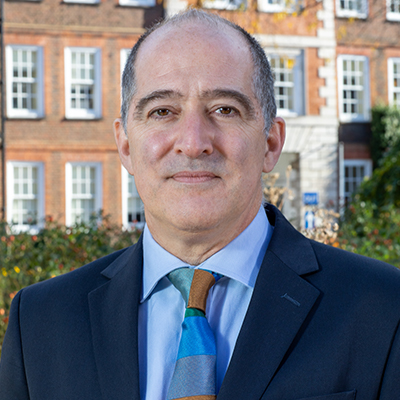
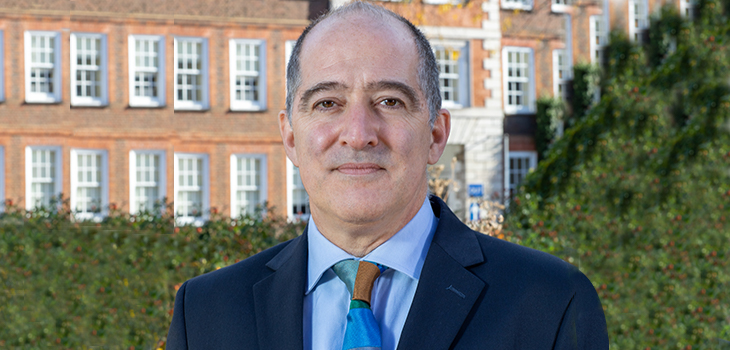
Mark Fenhalls KC is Chair of the Bar for 2022. He is a silk at 23ES.
As you’re reading this, I hope you are taking (or planning) a proper break from work over the summer. Two incredibly stressful years, followed by events domestically and internationally, have created a time of huge pressure as we contemplate difficult economic times ahead for the country. In such times it is even more tempting than usual for some to take every conceivable piece of work and load pressure on themselves. For different reasons the Criminal Bar has been under huge pressures as so many barristers have taken protest action against the government. It is sometimes easy to forget the extent to which stress and burnout take their toll, so please take care of yourselves and those around you.
It’s been a particularly hectic period in the political sphere. July is usually a scramble in Westminster, as ministers and officials try to complete Parliamentary activity in time for the summer recess. But it is fair to say that this July has been more chaotic than most. After the fall of the Johnson government, we are now in the midst of the election period to decide who will lead the country for the next couple of years. The government is effectively stalled and closed for anything other than emergency business until the new Prime Minister is announced on 5 September.
The Criminal Legal Aid consultation closed in early June. Even before the crisis that prompted resignations across government in early July, we had been concerned that the next steps on criminal legal aid reform would get put on the backburner and further delayed into the autumn. So it was a relief to see that the Statutory Instrument was laid ahead of the summer recess to enable the 15% fee uplift to come into force for new representation orders from 30 September. We all know 15% is not enough, but at least we now know that it is definitely coming.
In the meantime, along with the Criminal Bar Association, we will keep pressing for the uplift to apply to all backlog cases to avoid a two-tier system. Over the summer we will continue work with officials to make sure that ministers are ready to implement the next phase of the Bellamy recommendations as swiftly as possible in the autumn. This next phase will focus on the remaining areas of work that are most underpaid and ensuring that people are properly paid for all court hearings.
Another major recent announcement has come from the Bar Standards Board, which has launched a consultation on non-professional conduct and the regulation of our private lives, as well as new guidance on barristers’ use of social media. The consultation is important; we know from the Bar Council ethical enquiries service that more clarity in this area has long been needed. Please take a look – particularly if you consider yourself a part of ‘Legal Twitter’ – and feed in your views.
A Twitter storm can blow both ways, and barristers are increasingly finding themselves on the receiving end of attacks and negative comments in both traditional and social media. As I’ve said in these pages before, it’s unacceptable, and I will continue to challenge it at every opportunity.
We may privately hold strong personal views about our clients – we are only human after all – but that should never interfere with how we approach and execute our work. Because the consequences are deeply worrying if the media thinks it has a free hand to lump us in with any criticism it has of our clients.
The passion for what we do as barristers and solicitors was shining through at the recent Legal Aid Lawyer of the Year Awards (LALYs) where I was delighted to see the Bar Council-sponsored Legal Aid Barrister of the Year go to Amean Elgadhy – the first British Yemeni barrister in England and Wales.
Amean, and all the award winners, paid eloquent tribute to their clients and spoke of how much it means for them to have access to justice; each acceptance speech a reminder of how precious legal aid is within our society.
But there are some areas of law that have become so contentious, and the public debate so angry, that the tensions around our professional lives are at an unprecedented fever pitch.
As Chair of the Bar, I have been contacted by a number of individuals who are genuinely fearful that if their personal details are put into the public domain, they will suffer simply for doing their jobs in fearlessly representing their clients. Some have come under verbal attack in the mainstream media when they have done nothing more than appear on the record in a controversial case.
We fight hard for transparency in the justice system, but I do worry about personal cost to some of our colleagues who very often have not chosen the clients that come to them but who give everything to prepare and argue their case. With that in mind, I would like to thank all levels of the Judiciary, which is acutely aware of some of the risks (that judges face too) for the quiet and unheralded work done behind the scenes to make all our working lives safer. The Bar Council will, of course, continue to support and intervene to support barristers in such difficult situations.

The Chair of the Bar reports back
By Kem Kemal, CEO, Henry Dannell
By BSK Financial Planning
Mário Barroso, Head of R&D and Method Development at AlphaBiolabs
Susie Griffin on the admin that keeps barristers from billable work
Clement Cowley, Partner at The Penny Group, explains how global events can influence the performance of pensions and ISAs, and why taking a long-term approach to investing is often the most effective strategy

Kick off your career at the Bar Council’s Pupillage Fair this October – it’s one of the most valuable opportunities for aspiring barristers, says Amelia Clegg
The golden age of advocacy? David Langwallner pays homage to the filmic if contentious barrister Sir Edward Carson and some of his contemporaries
Henry Fingerhut outlines what the Bar Standards Board AI guidance means for early career barristers
The Ministry of Justice will match-fund up to 100 criminal pupillages, with grants available to criminal chambers across England and Wales. Similar to the COIC scheme, the grants will match-fund pupillages additional to those otherwise offered without government funding
Not yet, says Jacob Turner. Regulation, unlike the technology itself, is a domain the legal profession can still control