*/
The Commonwealth-in-England Barristers Association is as relevant now as when first set up, write Charlotte Boaitey and Andrew Otchie
Patricia Scotland QC, Baroness Scotland of Asthal and self-styled ‘child of the Caribbean and of the Commonwealth’, was elected Secretary General Designate of the Commonwealth of Nations in November 2015.
Dominica-born Scotland, the first woman and the six Commonwealth Secretary-General, has set out her vision for a revitalised, modern Commonwealth as she prepares to take office in April: ‘I believe that, building on its long and distinguished history, the Commonwealth has unique potential to play a role of fundamental importance for its member states as we create our shared future in an uncertain world.’
Forging links
In many ways, the Commonwealth in England Barristers Association (CEBA) reflects Scotland’s vision. It has long supported, and collaborated with, lawyers from around the Commonwealth who are practising in England, and English lawyers practising in other Commonwealth jurisdictions.
Its history stretches back to the 1970s, when Great Britain had for some time been an attractive destination for successive waves of migrants from the Commonwealth, who sought to forge a nobler destiny for themselves and their progeny. Many were invited by various Governments to journey from overseas in order contribute to the labour market. While most were content to undertake employment in whatever opportunity came along, a few harboured the desire to earn a living by the barristers’ profession. In those bygone days, in order to better their understanding, and share the unique characteristics, ethics and traditions of the English Bar, several practitioners came together and sought to formalise their common endeavour, by establishing the Commonwealth & Ethnic Barristers’ Association.
Frequent meetings were convened and hosted by various chambers, attended by students, pupils and barristers, as well as diplomats and High Commissioners from Commonwealth nations. The support received from upper echelons of the profession was also remarkable: Baron Williams of Mostyn and Baroness Butler-Sloss were early Presidents of the Association; and Lord Woolf, Lord Slynn, Lord Cook, and Sir Geoffrey Nice QC are among the many that have given memorable addresses to meetings. Other valuable contributions have been made by the former Attorney General of India (Shri Soli Sorabjee), Benazir Bhutto from Pakistan, the Honourable Mr Justice Adams from Zimbabwe and the Deputy President of the Supreme Court of South Africa, the Honourable Justice Louis Harms.
Constitution and objectives
CEBA adopted a formal constitution in December 2004, under the chairmanship of Michael Lawson QC. Its core aims are:
CEBA also changed its name, replacing the term ‘& Ethnic’ with ‘-in-England’, perhaps suggesting that there had been some success in terms of integration and assimilation into the profession.
Why is the organisation still in existence?
The objectives of CEBA are widely drawn, so as to permit the exchange of positive ideas and collaboration with Commonwealth countries, including overseas projects and social activities. It is an extremely friendly, open association for all lawyers and BPTC students who have an interest in the Commonwealth and the English Bar. By offering mini-pupillages, networking opportunities and legal seminars, CEBA remains relevant for all. CEBA has continued to attract student members from the Inns of Court at the introductory evenings, and in recent years, it has focused its activity on providing bursaries to those aspiring to a career at the English Bar.
Bursary programme
CEBA has forged links with non-governmental organisations (NGOs) in Commonwealth countries, and its bursary programme is designed to be mutually beneficial: a receiving organisation is provided with an enthusiastic intern who has recently completed the BPTC, while the intern is typically looking to bolster their CV and find pupillage. The intern is chosen by competitive selection, through the means of an essay competition, and will have their flights and per diem expenses paid, with the obligation to complete a report on return from their trip. Entrants to this year’s competition were challenged to write 1,500 words on ‘How I could make a difference to a legal aid centre in a Commonwealth country’; the prize a bursary to carry out pro bono work in a legal centre in or around Colombo District in Sri Lanka for one month.
Recent bursary winners have included James Potts (now of 39 Essex Street) who visited Sri Lanka in 2012, Tessa Buchanan (now of Garden Court Chambers) who visited Ghana in 2013, Eirwen Pierrot (now of Field Court Chambers) who visited Ghana in 2014 and in 2015, Vondez Phipps (an International student from the Caribbean island of St. Kitts), who furthered CEBA’s connections with the Human Rights Advocacy Centre in Ghana.
Illustrious participants
CEBA has also continued to benefit from the involvement of eminent and senior counsel, including James Dingemans QC (now Mr Justice Dingemans) whose expertise in appeals to the Privy Council from Commonwealth jurisdictions made him a particularly fitting Chairman. Then, with Stephen Leslie QC as Chairman, the organisation continued to thrive and received highly commended lectures from Dame Janet Smith and Lady Justice Arden, the latter of whom spoke to a very receptive audience on ‘Further developments in good faith in contract law’. The responsibility of chairing the association was recently passed to Simon Davenport QC, and in November 2015 CEBA had cause to celebrate a new incoming President, the Honourable Mr Justice Singh. A dinner was held in the Members’ Common Room of Lincoln’s Inn, to bid farewell to the former President, Dame Linda Dobbs. May there be many more years of CEBA.
Membership is free to student members of the Inns and £10 a year for practitioners. For news of future events, please email your details to the CEBA secretaries, Cecilia Xu and Richard McKee: ceciliaxu@hotmail.com; mail@richardamckee.plus.com. For membership enquiries, please email Michel Aslangul: m.aslangul@hotmail.co.uk
Contributors Charlotte Boatiey and Andrew Otchie 12 Old Square Chambers
THE MODERN COMMONWEALTH: 53 COUNTRIES, +30% OF THE WORLD’S POPULATION, +15% OF THE WORLD’S GDP, +$3TRN IN ANNUAL TRADE
The Commonwealth is a voluntary association of 53 independent and equal sovereign states. It is home to 2.2 billion citizens, of which over 60% are under the age of 30. The Commonwealth includes some of the world’s largest, smallest, richest and poorest countries, spanning five regions. Thirty-one of its members are small states, many of them island nations. All members have an equal say – regardless of size or economic stature. Priority areas of work are agreed at Commonwealth Heads of Government Meetings, which occur every two years. The next summit is in the United Kingdom in 2018. Sources: http://thecommonwealth.org; www.patriciascotland.com
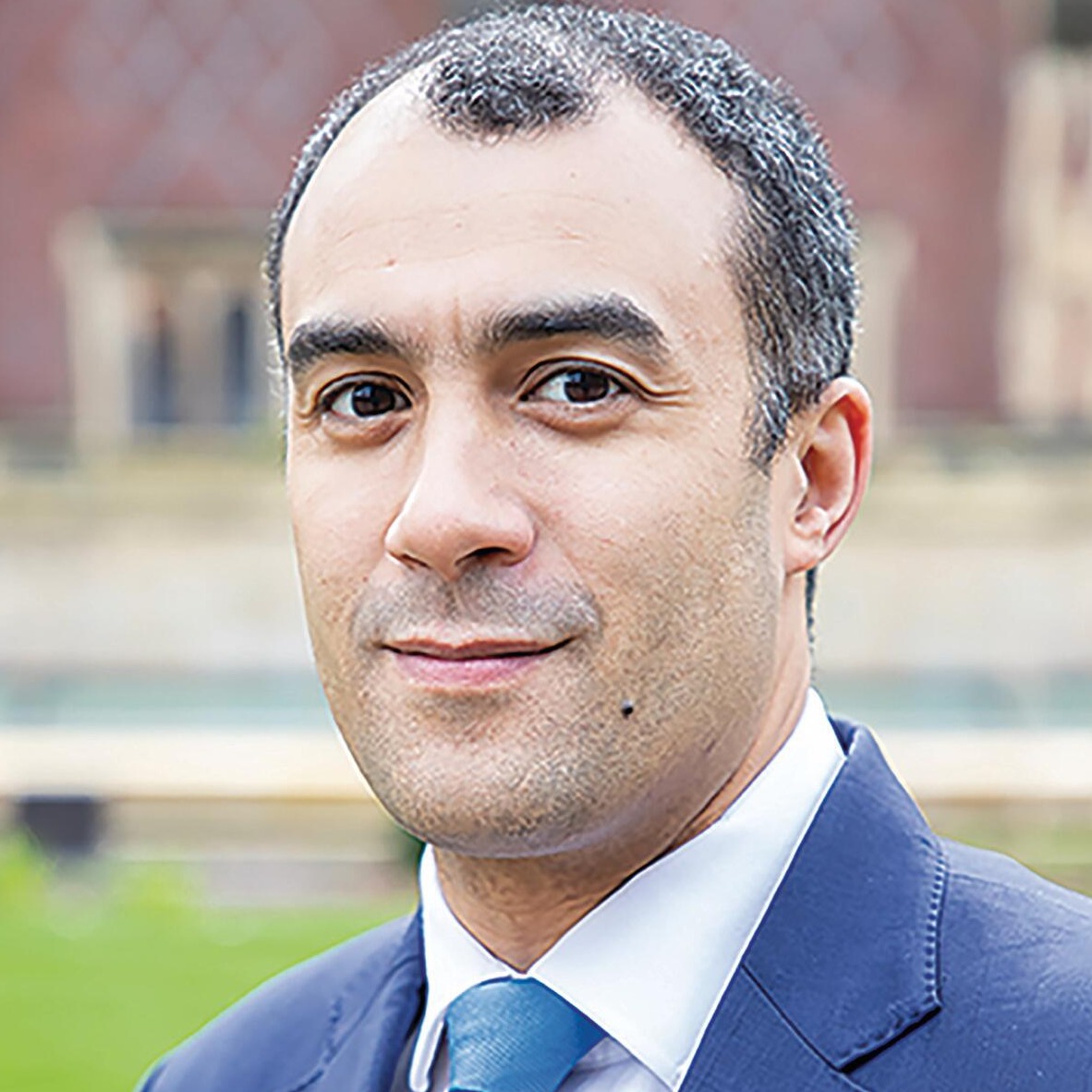
Andrew Otchie is a barrister at 12 Old Square Chambers (the Chambers of Mrs Charlotte Boaitey) where he enjoys a broad practice. He frequently appears on behalf of appellants in immigration cases and undertakes pro-bono work under the auspices of ELAAS. Andrew was awarded an MPhil degree from the University of Hull and has passed the New York State Bar Exam.

Charlotte has been Head of 12 Old Square Chambers since 1984. She has a general common law background with experience in criminal law (defence and prosecution), employment and local government law. Charlotte is an accredited mediator, a retired judge of the Mental Health Review Tribunal and a social anthropologist.
Dominica-born Scotland, the first woman and the six Commonwealth Secretary-General, has set out her vision for a revitalised, modern Commonwealth as she prepares to take office in April: ‘I believe that, building on its long and distinguished history, the Commonwealth has unique potential to play a role of fundamental importance for its member states as we create our shared future in an uncertain world.’
Forging links
In many ways, the Commonwealth in England Barristers Association (CEBA) reflects Scotland’s vision. It has long supported, and collaborated with, lawyers from around the Commonwealth who are practising in England, and English lawyers practising in other Commonwealth jurisdictions.
Its history stretches back to the 1970s, when Great Britain had for some time been an attractive destination for successive waves of migrants from the Commonwealth, who sought to forge a nobler destiny for themselves and their progeny. Many were invited by various Governments to journey from overseas in order contribute to the labour market. While most were content to undertake employment in whatever opportunity came along, a few harboured the desire to earn a living by the barristers’ profession. In those bygone days, in order to better their understanding, and share the unique characteristics, ethics and traditions of the English Bar, several practitioners came together and sought to formalise their common endeavour, by establishing the Commonwealth & Ethnic Barristers’ Association.
Frequent meetings were convened and hosted by various chambers, attended by students, pupils and barristers, as well as diplomats and High Commissioners from Commonwealth nations. The support received from upper echelons of the profession was also remarkable: Baron Williams of Mostyn and Baroness Butler-Sloss were early Presidents of the Association; and Lord Woolf, Lord Slynn, Lord Cook, and Sir Geoffrey Nice QC are among the many that have given memorable addresses to meetings. Other valuable contributions have been made by the former Attorney General of India (Shri Soli Sorabjee), Benazir Bhutto from Pakistan, the Honourable Mr Justice Adams from Zimbabwe and the Deputy President of the Supreme Court of South Africa, the Honourable Justice Louis Harms.
Constitution and objectives
CEBA adopted a formal constitution in December 2004, under the chairmanship of Michael Lawson QC. Its core aims are:
CEBA also changed its name, replacing the term ‘& Ethnic’ with ‘-in-England’, perhaps suggesting that there had been some success in terms of integration and assimilation into the profession.
Why is the organisation still in existence?
The objectives of CEBA are widely drawn, so as to permit the exchange of positive ideas and collaboration with Commonwealth countries, including overseas projects and social activities. It is an extremely friendly, open association for all lawyers and BPTC students who have an interest in the Commonwealth and the English Bar. By offering mini-pupillages, networking opportunities and legal seminars, CEBA remains relevant for all. CEBA has continued to attract student members from the Inns of Court at the introductory evenings, and in recent years, it has focused its activity on providing bursaries to those aspiring to a career at the English Bar.
Bursary programme
CEBA has forged links with non-governmental organisations (NGOs) in Commonwealth countries, and its bursary programme is designed to be mutually beneficial: a receiving organisation is provided with an enthusiastic intern who has recently completed the BPTC, while the intern is typically looking to bolster their CV and find pupillage. The intern is chosen by competitive selection, through the means of an essay competition, and will have their flights and per diem expenses paid, with the obligation to complete a report on return from their trip. Entrants to this year’s competition were challenged to write 1,500 words on ‘How I could make a difference to a legal aid centre in a Commonwealth country’; the prize a bursary to carry out pro bono work in a legal centre in or around Colombo District in Sri Lanka for one month.
Recent bursary winners have included James Potts (now of 39 Essex Street) who visited Sri Lanka in 2012, Tessa Buchanan (now of Garden Court Chambers) who visited Ghana in 2013, Eirwen Pierrot (now of Field Court Chambers) who visited Ghana in 2014 and in 2015, Vondez Phipps (an International student from the Caribbean island of St. Kitts), who furthered CEBA’s connections with the Human Rights Advocacy Centre in Ghana.
Illustrious participants
CEBA has also continued to benefit from the involvement of eminent and senior counsel, including James Dingemans QC (now Mr Justice Dingemans) whose expertise in appeals to the Privy Council from Commonwealth jurisdictions made him a particularly fitting Chairman. Then, with Stephen Leslie QC as Chairman, the organisation continued to thrive and received highly commended lectures from Dame Janet Smith and Lady Justice Arden, the latter of whom spoke to a very receptive audience on ‘Further developments in good faith in contract law’. The responsibility of chairing the association was recently passed to Simon Davenport QC, and in November 2015 CEBA had cause to celebrate a new incoming President, the Honourable Mr Justice Singh. A dinner was held in the Members’ Common Room of Lincoln’s Inn, to bid farewell to the former President, Dame Linda Dobbs. May there be many more years of CEBA.
Membership is free to student members of the Inns and £10 a year for practitioners. For news of future events, please email your details to the CEBA secretaries, Cecilia Xu and Richard McKee: ceciliaxu@hotmail.com; mail@richardamckee.plus.com. For membership enquiries, please email Michel Aslangul: m.aslangul@hotmail.co.uk
Contributors Charlotte Boatiey and Andrew Otchie 12 Old Square Chambers
THE MODERN COMMONWEALTH: 53 COUNTRIES, +30% OF THE WORLD’S POPULATION, +15% OF THE WORLD’S GDP, +$3TRN IN ANNUAL TRADE
The Commonwealth is a voluntary association of 53 independent and equal sovereign states. It is home to 2.2 billion citizens, of which over 60% are under the age of 30. The Commonwealth includes some of the world’s largest, smallest, richest and poorest countries, spanning five regions. Thirty-one of its members are small states, many of them island nations. All members have an equal say – regardless of size or economic stature. Priority areas of work are agreed at Commonwealth Heads of Government Meetings, which occur every two years. The next summit is in the United Kingdom in 2018. Sources: http://thecommonwealth.org; www.patriciascotland.com
The Commonwealth-in-England Barristers Association is as relevant now as when first set up, write Charlotte Boaitey and Andrew Otchie
Patricia Scotland QC, Baroness Scotland of Asthal and self-styled ‘child of the Caribbean and of the Commonwealth’, was elected Secretary General Designate of the Commonwealth of Nations in November 2015.

The Chair of the Bar reports back
Susie Griffin on the admin that keeps barristers from billable work
Clement Cowley, Partner at The Penny Group, explains how global events can influence the performance of pensions and ISAs, and why taking a long-term approach to investing is often the most effective strategy
Mário Barroso, Head of R&D and Method Development at AlphaBiolabs, discusses what family law professionals need to know about hallucinogens, from the main hallucinogenic drugs encountered in family proceedings, to their effects and the testing options available
Harmony Christian Ministries is the latest charity to benefit from a £500 donation from AlphaBiolabs via the company’s Giving Back initiative
By David Green

The golden age of advocacy? David Langwallner pays homage to the filmic if contentious barrister Sir Edward Carson and some of his contemporaries
Leah Arthur, a pupil, and her second seat supervisor, John Goss, share their perspectives on building a productive pupil-supervisor relationship
Henry Fingerhut outlines what the Bar Standards Board AI guidance means for early career barristers
The Ministry of Justice will match-fund up to 100 criminal pupillages, with grants available to criminal chambers across England and Wales. Similar to the COIC scheme, the grants will match-fund pupillages additional to those otherwise offered without government funding
Not yet, says Jacob Turner. Regulation, unlike the technology itself, is a domain the legal profession can still control