*/
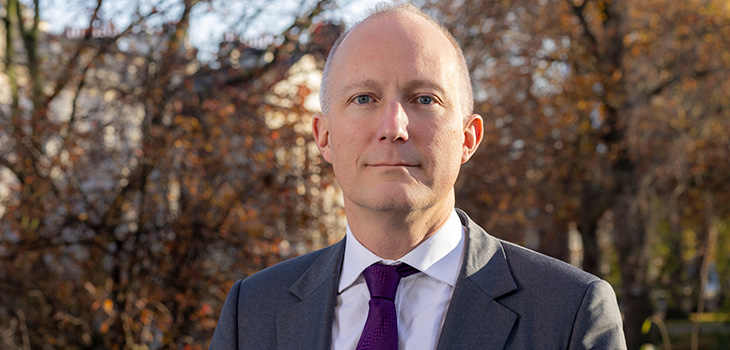
In this month’s column, Chair of the Bar Sam Townend KC highlights the many reasons why barristers should pay the Bar Representation Fee and back the Bar Council’s efforts on behalf of the profession
During the Authorisation to Practise process this month, as well as paying the mandatory Practising Certificate Fee, you will have the opportunity to subscribe to the Bar Representation Fee (BRF). This voluntary minimum contribution of £160 a year (or under £13.50 per month via direct debit) goes towards supporting the Bar Council’s work and provides other benefits. As a BRF subscriber, you get print copies of this magazine, a 20% discount on all Bar Council training courses and events, plus discounts on services and shopping.
Not all of the Bar Council’s work can be funded through our portion (29%) of the Practising Certificate Fee (the rest goes to the regulators) and much of that work would not be possible without the vital contribution of the BRF. Bar Council projects that are entirely or partly funded by the BRF include the Bar Council’s ethical enquiries line used by thousands of barristers every year, some of the wellbeing at the Bar work and the mentoring schemes we provide for those at the Bar who are seeking judicial appointment, considering applying for silk, returning to practice, or temporarily leaving the Bar for parental leave or a career break.
The political focus this year will, of course, be dominated by the upcoming general election. The justice system has been starved of sufficient investment for a long time and the backlogs in almost all jurisdictions remain stubbornly high. The Bar Council will continue to campaign for further increases in resources for all publicly funded work and for investment in the court estate and the wider legal system.
The recent Criminal Bar Association (CBA) survey of barristers who prosecute and defend in rape and serious sexual offence (RASSO) cases strikingly highlights the severe shortage of specialist barristers qualified to do this work. The numbers will only be sustained and can only increase if there are improvements to both remuneration and working conditions. The Bar Council will continue to work with the government and the CBA to seek to do whatever is needed to support and grow the number of barristers conducting these important cases.
Research and representation by the Bar Council, alongside others, has helped to achieve some positive movement on fees. Last year, the Crown Prosecution Service matched the 15% increase in defence fees and there were increases for s 28 matters and for immigration legal aid work in relation to the operation of the Illegal Migration Act. This year, the government has already announced changes that mean a 23.5% increase in the fixed advocacy fee in civil fast track cases, uprating the advocacy fee for cases on the intermediate track and, for the first time, fixed advocacy fees will be recoverable when cases are vacated or settled close to trial.
The Magistrates’ Court Protocol for the Greater London area has been updated and a 15% increase to the Protocol rates is effective from February 2024. These results have often followed years of work by the Bar Council in collaboration with others at the Bar. For us to maintain and make further progress for barristers then we need you to back the Bar via the BRF please.
The Bar Council is well placed to be able to be the collective voice of the profession. In the last year, the Bar Council has secured significant media coverage, including 11 front-page newspaper stories covering a range of issues such as possible reform of private prosecutions and the need to invest in the justice system. The Bar Council has also brought together the leaders of the Four Bars – England and Wales, Ireland, Northern Ireland and Scotland – to issue a joint statement championing the ‘cab rank’ rule.
The Bar Council needs to continue to robustly champion the interests of barristers, the rule of law and the justice system in the public interest in every way we can, including in our interactions with government, Parliamentarians, civil servants and regulators. This work is underpinned by the financial support you provide via the BRF.
I hope that you feel able to give the Bar Council your support this year. Sign up via MyBar.
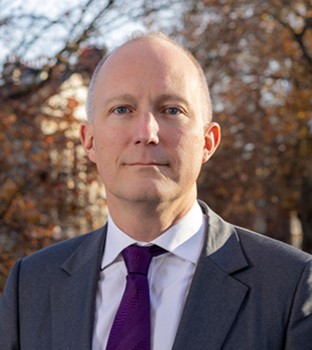
Sam Townend KC is Chair of the Bar 2024. Sam is a silk at Keating Chambers and practises in domestic and international construction, energy and professional negligence work. He is a mediator and adjudicator, and a Bencher at Lincoln's Inn.
During the Authorisation to Practise process this month, as well as paying the mandatory Practising Certificate Fee, you will have the opportunity to subscribe to the Bar Representation Fee (BRF). This voluntary minimum contribution of £160 a year (or under £13.50 per month via direct debit) goes towards supporting the Bar Council’s work and provides other benefits. As a BRF subscriber, you get print copies of this magazine, a 20% discount on all Bar Council training courses and events, plus discounts on services and shopping.
Not all of the Bar Council’s work can be funded through our portion (29%) of the Practising Certificate Fee (the rest goes to the regulators) and much of that work would not be possible without the vital contribution of the BRF. Bar Council projects that are entirely or partly funded by the BRF include the Bar Council’s ethical enquiries line used by thousands of barristers every year, some of the wellbeing at the Bar work and the mentoring schemes we provide for those at the Bar who are seeking judicial appointment, considering applying for silk, returning to practice, or temporarily leaving the Bar for parental leave or a career break.
The political focus this year will, of course, be dominated by the upcoming general election. The justice system has been starved of sufficient investment for a long time and the backlogs in almost all jurisdictions remain stubbornly high. The Bar Council will continue to campaign for further increases in resources for all publicly funded work and for investment in the court estate and the wider legal system.
The recent Criminal Bar Association (CBA) survey of barristers who prosecute and defend in rape and serious sexual offence (RASSO) cases strikingly highlights the severe shortage of specialist barristers qualified to do this work. The numbers will only be sustained and can only increase if there are improvements to both remuneration and working conditions. The Bar Council will continue to work with the government and the CBA to seek to do whatever is needed to support and grow the number of barristers conducting these important cases.
Research and representation by the Bar Council, alongside others, has helped to achieve some positive movement on fees. Last year, the Crown Prosecution Service matched the 15% increase in defence fees and there were increases for s 28 matters and for immigration legal aid work in relation to the operation of the Illegal Migration Act. This year, the government has already announced changes that mean a 23.5% increase in the fixed advocacy fee in civil fast track cases, uprating the advocacy fee for cases on the intermediate track and, for the first time, fixed advocacy fees will be recoverable when cases are vacated or settled close to trial.
The Magistrates’ Court Protocol for the Greater London area has been updated and a 15% increase to the Protocol rates is effective from February 2024. These results have often followed years of work by the Bar Council in collaboration with others at the Bar. For us to maintain and make further progress for barristers then we need you to back the Bar via the BRF please.
The Bar Council is well placed to be able to be the collective voice of the profession. In the last year, the Bar Council has secured significant media coverage, including 11 front-page newspaper stories covering a range of issues such as possible reform of private prosecutions and the need to invest in the justice system. The Bar Council has also brought together the leaders of the Four Bars – England and Wales, Ireland, Northern Ireland and Scotland – to issue a joint statement championing the ‘cab rank’ rule.
The Bar Council needs to continue to robustly champion the interests of barristers, the rule of law and the justice system in the public interest in every way we can, including in our interactions with government, Parliamentarians, civil servants and regulators. This work is underpinned by the financial support you provide via the BRF.
I hope that you feel able to give the Bar Council your support this year. Sign up via MyBar.
In this month’s column, Chair of the Bar Sam Townend KC highlights the many reasons why barristers should pay the Bar Representation Fee and back the Bar Council’s efforts on behalf of the profession

The Chair of the Bar reports back
By Kem Kemal, CEO, Henry Dannell
By BSK Financial Planning
Mário Barroso, Head of R&D and Method Development at AlphaBiolabs
Susie Griffin on the admin that keeps barristers from billable work
Clement Cowley, Partner at The Penny Group, explains how global events can influence the performance of pensions and ISAs, and why taking a long-term approach to investing is often the most effective strategy

Kick off your career at the Bar Council’s Pupillage Fair this October – it’s one of the most valuable opportunities for aspiring barristers, says Amelia Clegg
The golden age of advocacy? David Langwallner pays homage to the filmic if contentious barrister Sir Edward Carson and some of his contemporaries
Henry Fingerhut outlines what the Bar Standards Board AI guidance means for early career barristers
The Ministry of Justice will match-fund up to 100 criminal pupillages, with grants available to criminal chambers across England and Wales. Similar to the COIC scheme, the grants will match-fund pupillages additional to those otherwise offered without government funding
Not yet, says Jacob Turner. Regulation, unlike the technology itself, is a domain the legal profession can still control