*/
2b84b316e5244d64b18db8bed7fed8a8.jpg?sfvrsn=4528b979_1)
Aidan: The English legal system has been at the forefront of crypto disputes for years – from the UK Jurisdiction Taskforce statement and developing case law, to the launch in 2021 of the Digital Dispute Resolution Rules. Consequently, in some international cases, it is clear that the UK has an edge over other jurisdictions and we have seen the result of that in action with successful client recoveries. CFAAR wants to ensure that this experience secures the UK as the preferred seat for crypto disputes and to help guide how the rest of the world approaches these disputes.
Nick: There have been, and will continue to be, a number of consultations from the likes of the Law Commission, the UK Treasury and the Financial Conduct Authority on how to deal with cryptoassets. CFAAR will bring together the leading names and their combined experience at the sharp end of crypto disputes and investigations to provide an authoritative, coordinated industry voice to guide the development of policy, legislation and regulation. In particular, there are unregulated crypto platforms which fall outside the existing financial services regulatory structure, who do not have a unified voice and CFAAR can have an influence on their behalf.
Aidan: Since its launch back in September, CFAAR has very quickly grown a global profile through its LinkedIn group, its events and media interest. We will soon be launching a website and already have a calendar of regular events planned for the coming months. One focus is the launch of ‘foreign chapters’ in the jurisdictions and offshore financial centres which are the home of the major exchanges and will be hubs for crypto cases. These foreign chapters will ensure that market leaders are working together and mean the momentum of CFAAR continues in a practical and meaningful way.
Aidan: As the mainstream progression of crypto continues, this sector is now dealing with wider issues, not just cybercrime or the stereotypical dark web-related crypto seizures. From civil asset recovery, contentious insolvency, commercial arbitration, deceased estates and the development of central bank digital currencies, cryptoassets are becoming more prevalent across multiple sectors. Changes to proceeds of crime legislation to make it easier to seize cryptoassets and which impose greater regulation upon virtual asset service providers is also expected in 2022. CFAAR members and their collective experiences will become an invaluable resource for industries navigating the challenges that this rapid evolution will inevitably produce. As it becomes easier to identify illicit or stolen crypto with greater use of blockchain analytic tools, enforcement activity will increase and we will hopefully see many more successful outcomes for victims in asset recovery cases.
Nick: At our official launch in September, Sir Geoffrey Vos rightly evangelised the need for ‘education, education, education’ about crypto. This applies from the victims of crypto fraud to the law-makers. CFAAR’s central ethos is about inclusivity and sharing information and best practice. Our founding members are experienced practitioners behind the landmark crypto judgments in the English courts; we want to break down misconceptions for clients, build best practice for investigations and guide the development for the future.
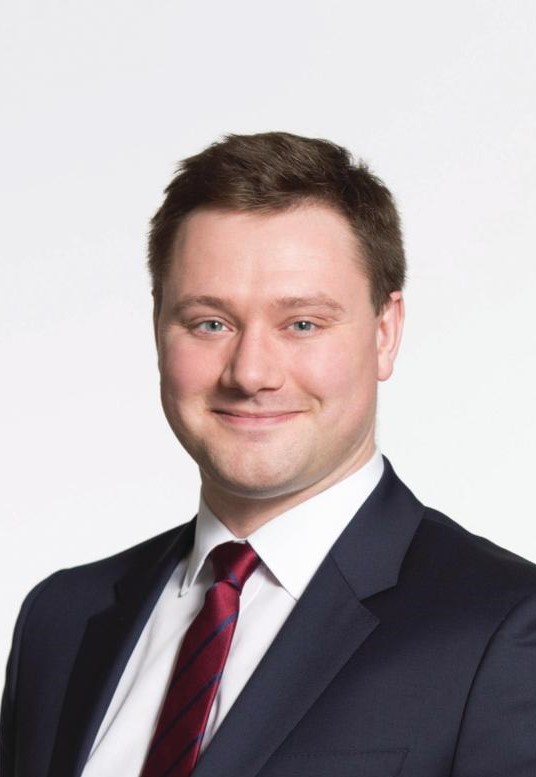
Nick Price is a disputes specialist at Osborne Clarke with expertise in cryptoassets and financial services regulation.
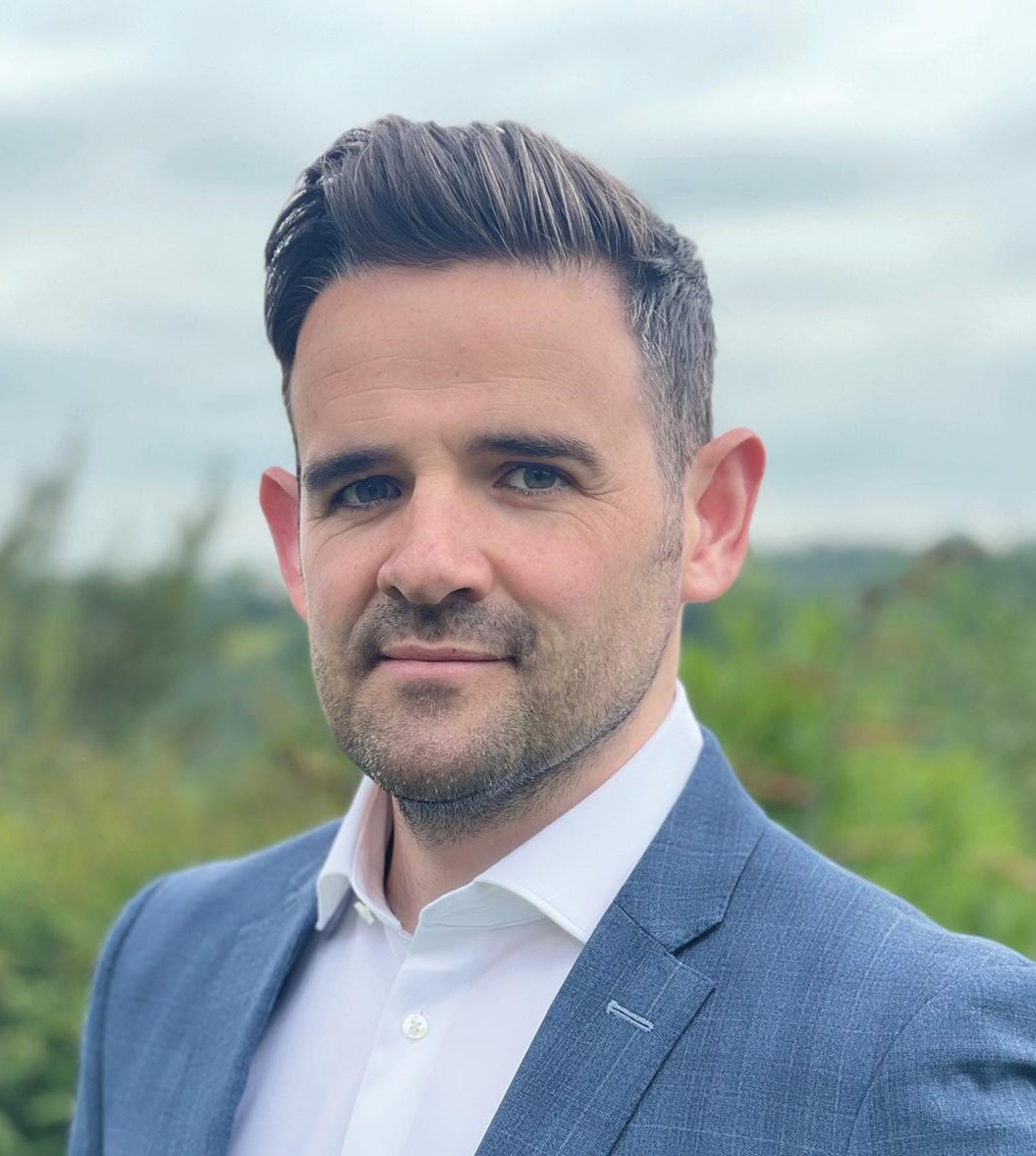
Aidan Larkin is the CEO of Asset Reality and a cryptocurrency investigator and asset manager providing solutions for the recovery, custody and realisation of seized crypto.
Aidan: The English legal system has been at the forefront of crypto disputes for years – from the UK Jurisdiction Taskforce statement and developing case law, to the launch in 2021 of the Digital Dispute Resolution Rules. Consequently, in some international cases, it is clear that the UK has an edge over other jurisdictions and we have seen the result of that in action with successful client recoveries. CFAAR wants to ensure that this experience secures the UK as the preferred seat for crypto disputes and to help guide how the rest of the world approaches these disputes.
Nick: There have been, and will continue to be, a number of consultations from the likes of the Law Commission, the UK Treasury and the Financial Conduct Authority on how to deal with cryptoassets. CFAAR will bring together the leading names and their combined experience at the sharp end of crypto disputes and investigations to provide an authoritative, coordinated industry voice to guide the development of policy, legislation and regulation. In particular, there are unregulated crypto platforms which fall outside the existing financial services regulatory structure, who do not have a unified voice and CFAAR can have an influence on their behalf.
Aidan: Since its launch back in September, CFAAR has very quickly grown a global profile through its LinkedIn group, its events and media interest. We will soon be launching a website and already have a calendar of regular events planned for the coming months. One focus is the launch of ‘foreign chapters’ in the jurisdictions and offshore financial centres which are the home of the major exchanges and will be hubs for crypto cases. These foreign chapters will ensure that market leaders are working together and mean the momentum of CFAAR continues in a practical and meaningful way.
Aidan: As the mainstream progression of crypto continues, this sector is now dealing with wider issues, not just cybercrime or the stereotypical dark web-related crypto seizures. From civil asset recovery, contentious insolvency, commercial arbitration, deceased estates and the development of central bank digital currencies, cryptoassets are becoming more prevalent across multiple sectors. Changes to proceeds of crime legislation to make it easier to seize cryptoassets and which impose greater regulation upon virtual asset service providers is also expected in 2022. CFAAR members and their collective experiences will become an invaluable resource for industries navigating the challenges that this rapid evolution will inevitably produce. As it becomes easier to identify illicit or stolen crypto with greater use of blockchain analytic tools, enforcement activity will increase and we will hopefully see many more successful outcomes for victims in asset recovery cases.
Nick: At our official launch in September, Sir Geoffrey Vos rightly evangelised the need for ‘education, education, education’ about crypto. This applies from the victims of crypto fraud to the law-makers. CFAAR’s central ethos is about inclusivity and sharing information and best practice. Our founding members are experienced practitioners behind the landmark crypto judgments in the English courts; we want to break down misconceptions for clients, build best practice for investigations and guide the development for the future.

The Chair of the Bar reports back
Susie Griffin on the admin that keeps barristers from billable work
Clement Cowley, Partner at The Penny Group, explains how global events can influence the performance of pensions and ISAs, and why taking a long-term approach to investing is often the most effective strategy
Mário Barroso, Head of R&D and Method Development at AlphaBiolabs, discusses what family law professionals need to know about hallucinogens, from the main hallucinogenic drugs encountered in family proceedings, to their effects and the testing options available
Harmony Christian Ministries is the latest charity to benefit from a £500 donation from AlphaBiolabs via the company’s Giving Back initiative
By David Green

The golden age of advocacy? David Langwallner pays homage to the filmic if contentious barrister Sir Edward Carson and some of his contemporaries
Leah Arthur, a pupil, and her second seat supervisor, John Goss, share their perspectives on building a productive pupil-supervisor relationship
Henry Fingerhut outlines what the Bar Standards Board AI guidance means for early career barristers
The Ministry of Justice will match-fund up to 100 criminal pupillages, with grants available to criminal chambers across England and Wales. Similar to the COIC scheme, the grants will match-fund pupillages additional to those otherwise offered without government funding
Not yet, says Jacob Turner. Regulation, unlike the technology itself, is a domain the legal profession can still control