*/
© Shutterstock
Ashley Hodgkinson looks at drug testing methods and some of the most common ways people try to cheat a drug test
Court-ordered drug tests are performed every day across the UK for a variety of reasons, from local authorities making decisions about a child’s welfare, to family courts handling custody disputes.
However, counsel might not always be aware of which drug tests can best determine an individual’s pattern of substance abuse, or the ways in which people attempt to cheat a drugs test. Before instructing a drug test, it helps to understand the testing methods available, and what different biological samples can tell us about a person’s drug use.
Each sample collection method offers us a differing insight into an individual’s drug use, from what they have consumed within the last few days (oral fluid and urine), to their drug use in the months prior to samples being collected (hair and nails).
The detection windows for each method of sample collection are:
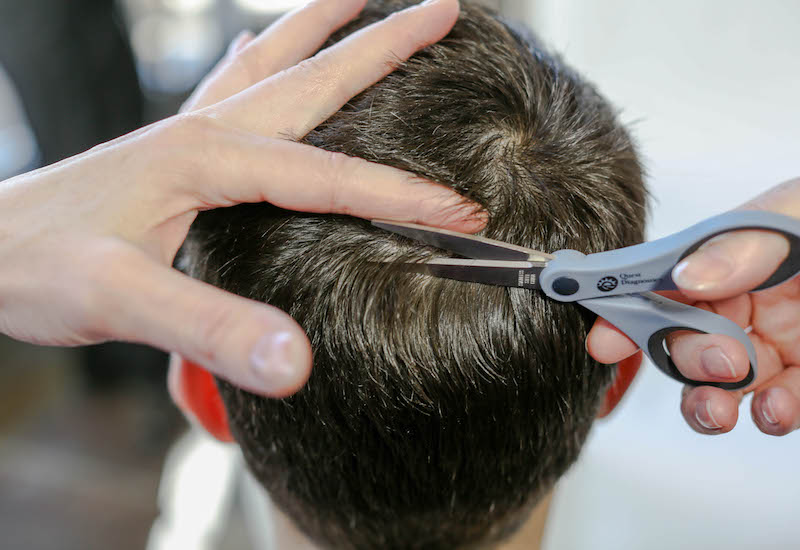
The consistent rate at which head hair grows means that head hair analysis is the only way of determining a pattern of drug use, using segmented analysis to identify trends such as an increase or decrease in usage over time.
When an individual consumes drugs, they are passed into the bloodstream, and the parent drug and a proportion of the drug’s metabolites enter the hair follicle.
When the hair is subjected to analysis at the toxicology laboratory the parent drug and its metabolites can be identified within the hair, enabling us to determine a pattern of drug use over a defined period, depending on the length of hair selected (1cm of head hair = one month of growth).
However, counsel may still wish to instruct other drug tests alongside head hair analysis, for a complete picture of an individual’s consumption.
For drug test results to be admissible in court, samples must be collected under strict chain of custody conditions, reducing the likelihood of tampering, and ensuring samples are collected from the right people.
Yet there are still some individuals who will attempt to ‘cheat’ a drug test; something which can be easily prevented by using a trained sample collector.
Common methods include everything from bringing another person’s ‘clean’ urine sample to a collection appointment, to wearing a wig, or attempting to pass off someone else’s pre-cut hair sample as their own. People will even shave their head or cut their nails to prevent samples being collected.
While these methods are ineffective, it is important to note that excessive bleaching, dyeing, perming, or straightening of the hair has the potential to impact a drug test result. For this reason, we will always ask for full disclosure of any recent hair treatments so that this can be taken into consideration when preparing the results.
Whatever the circumstances, a trained sample collector – such as those in AlphaBiolabs’ nationwide sample collection network and walk-in centres – will know how to spot the signs of tampering and will be able to collect an alternative sample on the day if required (eg body hair instead of head hair).
However, if the court has ordered a specific sample for testing that cannot be collected on the day, an alternative appointment may need to be arranged for a later date to collect the correct sample.
Understanding which drug testing methods are best for your case, along with the ways in which people try to cheat the test, will help you secure a satisfactory outcome.
At AlphaBiolabs, we have over 15 years’ experience providing first-class drug testing services for the legal sector, from sample collection to laboratory analysis and reporting. We also offer free sample collection for legal customers from any of our nationwide walk-in centres.
For expert advice on which DNA test is best for your client, call the AlphaBiolabs Customer Services team on 0330 600 1300 or email testing@alphabiolabs.com and a member of the legal sales team will be in touch.
For further information please visit: https://www.alphabiolabs.co.uk

Court-ordered drug tests are performed every day across the UK for a variety of reasons, from local authorities making decisions about a child’s welfare, to family courts handling custody disputes.
However, counsel might not always be aware of which drug tests can best determine an individual’s pattern of substance abuse, or the ways in which people attempt to cheat a drugs test. Before instructing a drug test, it helps to understand the testing methods available, and what different biological samples can tell us about a person’s drug use.
Each sample collection method offers us a differing insight into an individual’s drug use, from what they have consumed within the last few days (oral fluid and urine), to their drug use in the months prior to samples being collected (hair and nails).
The detection windows for each method of sample collection are:
The consistent rate at which head hair grows means that head hair analysis is the only way of determining a pattern of drug use, using segmented analysis to identify trends such as an increase or decrease in usage over time.
When an individual consumes drugs, they are passed into the bloodstream, and the parent drug and a proportion of the drug’s metabolites enter the hair follicle.
When the hair is subjected to analysis at the toxicology laboratory the parent drug and its metabolites can be identified within the hair, enabling us to determine a pattern of drug use over a defined period, depending on the length of hair selected (1cm of head hair = one month of growth).
However, counsel may still wish to instruct other drug tests alongside head hair analysis, for a complete picture of an individual’s consumption.
For drug test results to be admissible in court, samples must be collected under strict chain of custody conditions, reducing the likelihood of tampering, and ensuring samples are collected from the right people.
Yet there are still some individuals who will attempt to ‘cheat’ a drug test; something which can be easily prevented by using a trained sample collector.
Common methods include everything from bringing another person’s ‘clean’ urine sample to a collection appointment, to wearing a wig, or attempting to pass off someone else’s pre-cut hair sample as their own. People will even shave their head or cut their nails to prevent samples being collected.
While these methods are ineffective, it is important to note that excessive bleaching, dyeing, perming, or straightening of the hair has the potential to impact a drug test result. For this reason, we will always ask for full disclosure of any recent hair treatments so that this can be taken into consideration when preparing the results.
Whatever the circumstances, a trained sample collector – such as those in AlphaBiolabs’ nationwide sample collection network and walk-in centres – will know how to spot the signs of tampering and will be able to collect an alternative sample on the day if required (eg body hair instead of head hair).
However, if the court has ordered a specific sample for testing that cannot be collected on the day, an alternative appointment may need to be arranged for a later date to collect the correct sample.
Understanding which drug testing methods are best for your case, along with the ways in which people try to cheat the test, will help you secure a satisfactory outcome.
At AlphaBiolabs, we have over 15 years’ experience providing first-class drug testing services for the legal sector, from sample collection to laboratory analysis and reporting. We also offer free sample collection for legal customers from any of our nationwide walk-in centres.
For expert advice on which DNA test is best for your client, call the AlphaBiolabs Customer Services team on 0330 600 1300 or email testing@alphabiolabs.com and a member of the legal sales team will be in touch.
For further information please visit: https://www.alphabiolabs.co.uk
Ashley Hodgkinson looks at drug testing methods and some of the most common ways people try to cheat a drug test

The Chair of the Bar reports back
By Kem Kemal, CEO, Henry Dannell
By BSK Financial Planning
Mário Barroso, Head of R&D and Method Development at AlphaBiolabs
Susie Griffin on the admin that keeps barristers from billable work
Clement Cowley, Partner at The Penny Group, explains how global events can influence the performance of pensions and ISAs, and why taking a long-term approach to investing is often the most effective strategy

Kick off your career at the Bar Council’s Pupillage Fair this October – it’s one of the most valuable opportunities for aspiring barristers, says Amelia Clegg
The golden age of advocacy? David Langwallner pays homage to the filmic if contentious barrister Sir Edward Carson and some of his contemporaries
Henry Fingerhut outlines what the Bar Standards Board AI guidance means for early career barristers
The Ministry of Justice will match-fund up to 100 criminal pupillages, with grants available to criminal chambers across England and Wales. Similar to the COIC scheme, the grants will match-fund pupillages additional to those otherwise offered without government funding
Not yet, says Jacob Turner. Regulation, unlike the technology itself, is a domain the legal profession can still control