*/
The first piece of work published by the Bar Council in 2022 is Life at the Young Bar. Based on the 2021 Barristers' Working Lives Survey it provides a snapshot and insight into the evolving profile of the profession and challenges faced in the first seven years. Please take the time to read it and consider the implications for your friends and colleagues. The report indicates that around one in six young barristers would like to leave the Bar because of the current working hours, the lack of work-life balance and the associated potential risks to their wellbeing.
Some may initially think to themselves ‘that can’t possibly be happening in my chambers or organisation’. But experience suggests it may be, and so we should all be asking ourselves how we react. The alternative is to hasten the departure of valuable younger colleagues from the practising profession, people in whom we have invested in enormously and who we do not want to lose.
As we move into 2022 some of the stresses and worry caused by lack of work and loss of income in 2020 may have faded, although many of us are still paying back Bounce Back Loans. These anxieties may have been replaced by worry about maintaining professional excellence while coping with vastly increased levels of work. The impact of the pandemic has differed across practice areas, but we all must confront the debilitating challenges of increased screen time and reduced face to face contact in chambers and offices. Isolation may suit some, from time to time. But it undermines the social cohesion of the Bar and erodes critical support networks.
So much of what I still value from my early years emerged from conversations I was able to have with senior colleagues and friends around me in chambers. It was an essential resource at the start of my career and has sustained me ever since. If you share this experience, please think about how you might help achieve it for others in 2022.
The Bar Council is always keen to improve the accessibility and availability of professional support on offer to the young Bar. Those chambers who have already put in place support services are invited to share their experience with colleagues. One service we offer is an online tool SPOT, enabling members of the Bar to report inappropriate behaviour. Please take a moment to have a look; making a report helps us to effect change. All reports are confidential and anonymous. We then respond through an automated system and ask what action (if any) you want us to take.
Life at the Young Bar also highlights the problem of discrimination. At entry level there are some small positive signs – a better overall gender balance and increasing diversity. But in the first seven years at the Bar, discrimination is faced primarily by young women, disabled people, and some socio-economic and ethnic groups. I urge all of you who may not have read last year’s Race at the Bar report to do so and please read it alongside Life at the Young Bar.
The Bar Council is unique in the way it can investigate and represent the pluralistic views and experiences of barristers while bringing the profession together to focus on tackling the collective problems identified. I believe it is the job of the Bar Council to help improve all barristers’ working lives. The answer to so many of our collective problems is not new. I look forward to hearing from you as to what you think we can do to spread the best practice and experience around the profession.
At the time of writing, restrictions are being lifted across the country, although masks and screens remain in the courts. It is not clear what this will mean for physical capacity. It seems far more likely that the lack of judges and advocates will impede all our efforts to reduce the backlogs. Solutions differ across the jurisdictions, but common to all is the need for sustained and planned investment. Over a decade of headline cuts to budgets, that may result in frantic later requests for emergency funding to meet predictable demand, does not help civil servants make the best use of the scarce resources.
There must come a time when the government is prepared to say what a reasonable time is for a case to be heard and commit to the spending that is required. The state may not be able to control how many parents need to apply to the court for access to their child, but surely there should be capacity in the system for the first hearing to always take place within two months at worst? The state does, however, influence what volume of cases goes to the Crown Court, fuelling the backlog. Every new offence, or reason to elect trial – like the recent decision to allow magistrates to pass longer sentences – influences the behaviour of defendants and will worsen the Crown Court backlog. As the prison population increases, this means more pressure on the Ministry of Justice budget and less money available to keep the courts running.
The latest official figures show that criminal cases are now taking more than 700 days on average to be completed. The rising waiting times for cases getting to court erodes the confidence of victims and the public. The government should be aiming to build a criminal justice system that can offer every Crown Court case a trial date within six months of a first appearance at court.
In mid-January I met the Lord Chancellor and Deputy Prime Minister, Dominic Raab MP. We had a wide-ranging and candid discussion about many aspects of the challenges facing our justice system. As you would expect, I have pressed the government to publicly accept the key recommendations of the Independent Review of Criminal Legal Aid. This is essential to spreading confidence across the legal professions and will show that the government is serious about rebuilding. Otherwise, barristers will continue to vote with their feet and migrate to other, more attractive areas of legal work or leave the profession entirely.

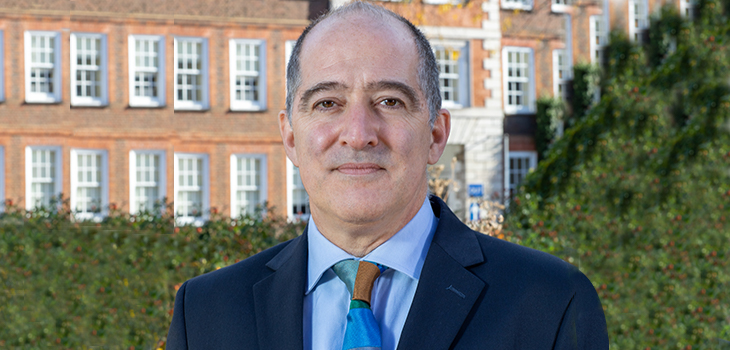
Mark Fenhalls KC is Chair of the Bar for 2022. He is a silk at 23ES.
The first piece of work published by the Bar Council in 2022 is Life at the Young Bar. Based on the 2021 Barristers' Working Lives Survey it provides a snapshot and insight into the evolving profile of the profession and challenges faced in the first seven years. Please take the time to read it and consider the implications for your friends and colleagues. The report indicates that around one in six young barristers would like to leave the Bar because of the current working hours, the lack of work-life balance and the associated potential risks to their wellbeing.
Some may initially think to themselves ‘that can’t possibly be happening in my chambers or organisation’. But experience suggests it may be, and so we should all be asking ourselves how we react. The alternative is to hasten the departure of valuable younger colleagues from the practising profession, people in whom we have invested in enormously and who we do not want to lose.
As we move into 2022 some of the stresses and worry caused by lack of work and loss of income in 2020 may have faded, although many of us are still paying back Bounce Back Loans. These anxieties may have been replaced by worry about maintaining professional excellence while coping with vastly increased levels of work. The impact of the pandemic has differed across practice areas, but we all must confront the debilitating challenges of increased screen time and reduced face to face contact in chambers and offices. Isolation may suit some, from time to time. But it undermines the social cohesion of the Bar and erodes critical support networks.
So much of what I still value from my early years emerged from conversations I was able to have with senior colleagues and friends around me in chambers. It was an essential resource at the start of my career and has sustained me ever since. If you share this experience, please think about how you might help achieve it for others in 2022.
The Bar Council is always keen to improve the accessibility and availability of professional support on offer to the young Bar. Those chambers who have already put in place support services are invited to share their experience with colleagues. One service we offer is an online tool SPOT, enabling members of the Bar to report inappropriate behaviour. Please take a moment to have a look; making a report helps us to effect change. All reports are confidential and anonymous. We then respond through an automated system and ask what action (if any) you want us to take.
Life at the Young Bar also highlights the problem of discrimination. At entry level there are some small positive signs – a better overall gender balance and increasing diversity. But in the first seven years at the Bar, discrimination is faced primarily by young women, disabled people, and some socio-economic and ethnic groups. I urge all of you who may not have read last year’s Race at the Bar report to do so and please read it alongside Life at the Young Bar.
The Bar Council is unique in the way it can investigate and represent the pluralistic views and experiences of barristers while bringing the profession together to focus on tackling the collective problems identified. I believe it is the job of the Bar Council to help improve all barristers’ working lives. The answer to so many of our collective problems is not new. I look forward to hearing from you as to what you think we can do to spread the best practice and experience around the profession.
At the time of writing, restrictions are being lifted across the country, although masks and screens remain in the courts. It is not clear what this will mean for physical capacity. It seems far more likely that the lack of judges and advocates will impede all our efforts to reduce the backlogs. Solutions differ across the jurisdictions, but common to all is the need for sustained and planned investment. Over a decade of headline cuts to budgets, that may result in frantic later requests for emergency funding to meet predictable demand, does not help civil servants make the best use of the scarce resources.
There must come a time when the government is prepared to say what a reasonable time is for a case to be heard and commit to the spending that is required. The state may not be able to control how many parents need to apply to the court for access to their child, but surely there should be capacity in the system for the first hearing to always take place within two months at worst? The state does, however, influence what volume of cases goes to the Crown Court, fuelling the backlog. Every new offence, or reason to elect trial – like the recent decision to allow magistrates to pass longer sentences – influences the behaviour of defendants and will worsen the Crown Court backlog. As the prison population increases, this means more pressure on the Ministry of Justice budget and less money available to keep the courts running.
The latest official figures show that criminal cases are now taking more than 700 days on average to be completed. The rising waiting times for cases getting to court erodes the confidence of victims and the public. The government should be aiming to build a criminal justice system that can offer every Crown Court case a trial date within six months of a first appearance at court.
In mid-January I met the Lord Chancellor and Deputy Prime Minister, Dominic Raab MP. We had a wide-ranging and candid discussion about many aspects of the challenges facing our justice system. As you would expect, I have pressed the government to publicly accept the key recommendations of the Independent Review of Criminal Legal Aid. This is essential to spreading confidence across the legal professions and will show that the government is serious about rebuilding. Otherwise, barristers will continue to vote with their feet and migrate to other, more attractive areas of legal work or leave the profession entirely.

The Chair of the Bar reports back
By Kem Kemal, CEO, Henry Dannell
By BSK Financial Planning
Mário Barroso, Head of R&D and Method Development at AlphaBiolabs
Susie Griffin on the admin that keeps barristers from billable work
Clement Cowley, Partner at The Penny Group, explains how global events can influence the performance of pensions and ISAs, and why taking a long-term approach to investing is often the most effective strategy

Kick off your career at the Bar Council’s Pupillage Fair this October – it’s one of the most valuable opportunities for aspiring barristers, says Amelia Clegg
The golden age of advocacy? David Langwallner pays homage to the filmic if contentious barrister Sir Edward Carson and some of his contemporaries
Henry Fingerhut outlines what the Bar Standards Board AI guidance means for early career barristers
The Ministry of Justice will match-fund up to 100 criminal pupillages, with grants available to criminal chambers across England and Wales. Similar to the COIC scheme, the grants will match-fund pupillages additional to those otherwise offered without government funding
Not yet, says Jacob Turner. Regulation, unlike the technology itself, is a domain the legal profession can still control